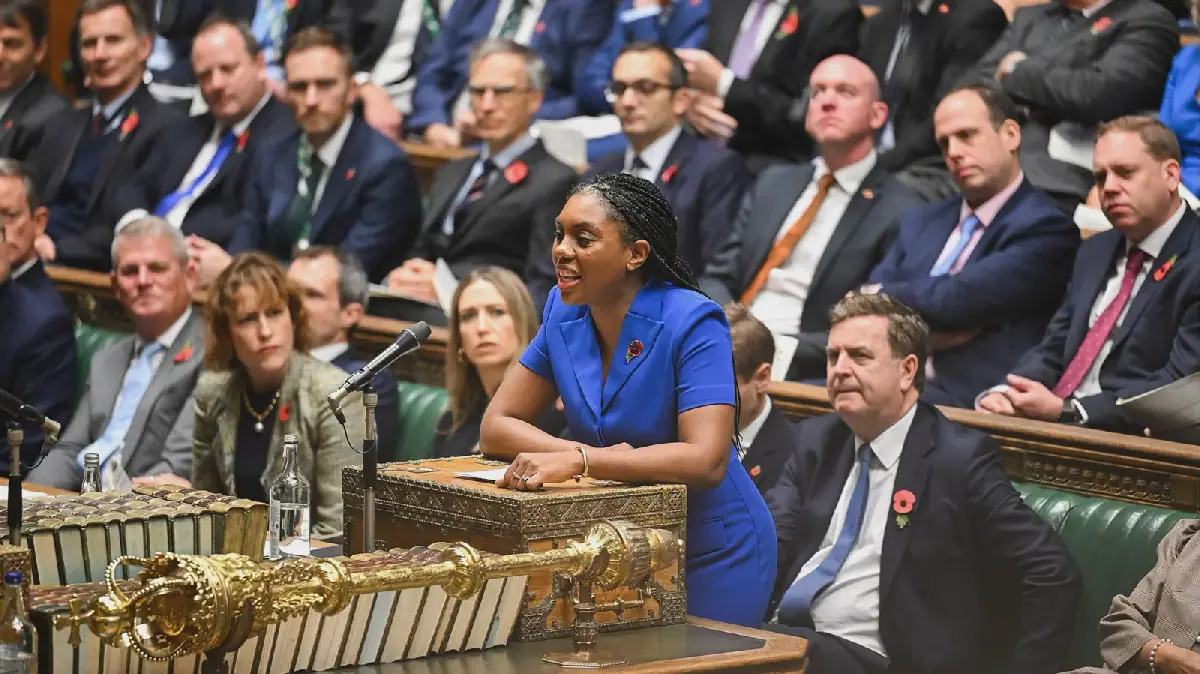
The UK Conservative Party has outlined plans to cut disability living allowance (DLA) payments for children with less severe learning and behavioural difficulties, replacing them with non-cash support. The proposals, announced by leader Kemi Badenoch, aim to save £2.8bn a year, with £1bn reinvested in mental health services and family hubs. The plans have sparked concerns from campaigners, who warn that they would take the UK back to the "dark ages" and cause a significant increase in child poverty.
The DLA is a payment that helps parents cover the additional costs of looking after a disabled child. In England, Wales and Northern Ireland, families can receive between £30.30 and £194.60 a week, depending on the level of support their child needs. The number of children receiving DLA has risen in recent years, from 521,476 in 2020 to around 914,000 in 2026. Under the proposals, only the 30% of children with the highest needs would continue to receive cash payments, with children with physical disabilities protected.
Campaigners have expressed dismay at the policy package, warning that it would cause the biggest overnight increase in child poverty since records began. Child Poverty Action Group policy director Sara Ogilvie said the proposals would "take the UK back to the dark ages, causing the biggest overnight increase in child poverty since records began". Labour described the plans as a "charter for homelessness and human misery", warning that they would push people into hardship and end up "costing the state more" in emergency support.
The Conservatives' plans have also been criticized for their focus on diagnosis-based restrictions. A Resolution Foundation report published last month found that fewer than 1% of PIP recipients reported having only anxiety, ADHD or autism. The report raises questions about the potential savings from diagnosis-based restrictions, and whether they would actually deliver significant savings. ADHD, anxiety and depression have become lightning rods in the debate over welfare spending.
The Conservatives' plans also include reinstating the two-child benefit limit, which would save a further £3.1bn a year. Labour abolished the limit in March 2026, with the change taking effect in April. The government estimates that the move will lift 450,000 children out of poverty in the final year of this parliament. The Office for Budget Responsibility forecasts that annual welfare spending will rise to £431bn by 2031-32.
The Conservatives have ruled out cutting the state pension, but say they would make savings elsewhere, including by withdrawing benefits from foreign nationals without EU settled status (£9.5bn), reforming housing benefit (£4.5bn) and tackling fraud and error (£1bn). Including the DLA cuts, changes to disability benefits would supposedly save £13.7 billion. Labour's Timms review is expected to be published this month, and will set out the government's plans to reform disability benefits.
Disability minister Sir Stephen Timms has said that the current main disability benefit PIP is "not fit for purpose". The government is expected to announce further reforms to disability benefits in the coming months. The controversy surrounding the Tory plans has highlighted the challenges of balancing welfare spending with the need to support vulnerable groups, and the debate is likely to continue in the run-up to the next general election.
Key points
- The UK Conservative Party's plans to cut disability living allowance for children with milder cases of ADHD and learning difficulties have sparked concerns about increased child poverty.