A recent ruling by the African Committee of Experts on the Rights and Welfare of the Child has found Ghana in violation of the rights to education and non-discrimination of girls living along the River Offin. The girls were barred from crossing the river on Tuesdays and during menstruation due to a local taboo. Human rights activists and the public had previously expressed outrage over the practice. In 2018, then Deputy Education Minister Yaw Osei Adutwum promised to build schools in the affected communities to address the issue.
The case was taken to the African Committee of Experts on the Rights and Welfare of the Child by the Institute for Human Rights and Development in Africa (IHRDA) and Joojo Cobbinah. The Committee's fact-finding mission met with girls, families, teachers, and community members in 2024. Years of submissions and attempted settlement followed before the Committee adopted its decision on October 20, 2026. The Committee found that Ghana had failed to protect the girls from a harmful social and cultural practice.
The ruling has significant implications beyond the River Offin community. The principle established is that a taboo cannot be used to deny girls their rights to education. Every community where a custom keeps a girl from the classroom, from safety, or from equal treatment now has a ruling to point to. According to the Committee's published case record, this is the first merits decision in which it has found Ghana in violation.
Despite the victory, the issue of access to education for the girls remains. The Committee has recommended a permanent bridge, immediate safety measures for children crossing the river, academic support for girls who have missed school, and sustained engagement with traditional leaders and affected communities. Ghana must report on implementation within 180 days of receiving the decision.
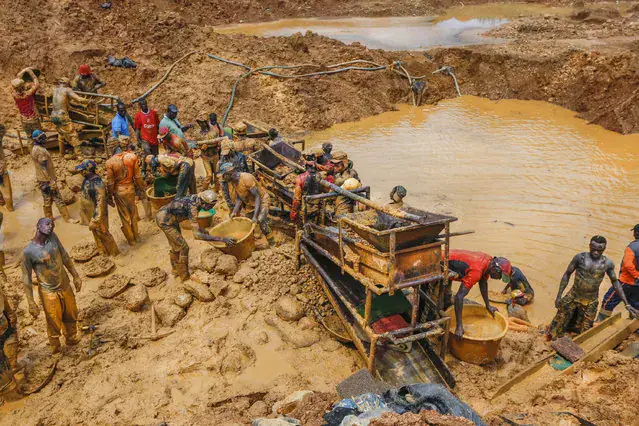
The case has also raised questions about the role of traditional practices and the enforcement of certain taboos. The author of the article, Joojo Cobbinah, has questioned why the river gods, who are believed to have the power to stop menstruating girls from crossing the river, do not seem to have jurisdiction over environmental destruction caused by galamsey operators.
The real test of the ruling will be whether girls can attend school freely, safely, and without discrimination. The government must take concrete actions to implement the Committee's recommendations, including building a permanent bridge and providing academic support to girls who have missed school. A promise to act is not protection, and a plan without a timeline is just a wish.
The victory belongs to the girls who kept speaking up about their lives, and to the families and communities who stood with them. The responsibility now lies with the state to ensure that the girls can exercise their right to education without facing discrimination or barriers. The government must honour the ruling and take concrete actions to address the issue.
Key points
- The African Committee of Experts on the Rights and Welfare of the Child has found Ghana in violation of the rights to education and non-discrimination of girls living along the River Offin.
- The Committee has recommended a permanent bridge, immediate safety measures, academic support, and sustained engagement with traditional leaders and affected communities.
- The ruling establishes the principle that a taboo cannot be used to deny girls their rights to education.