The Ugandan government is set to introduce a policy aimed at restricting the importation of products that can be manufactured locally. This move is intended to promote the Buy Uganda Build Uganda (BUBU) initiative, which seeks to boost local production and protect both local and foreign investors operating in the country. The policy is expected to have a significant impact on the country's economy and trade practices.
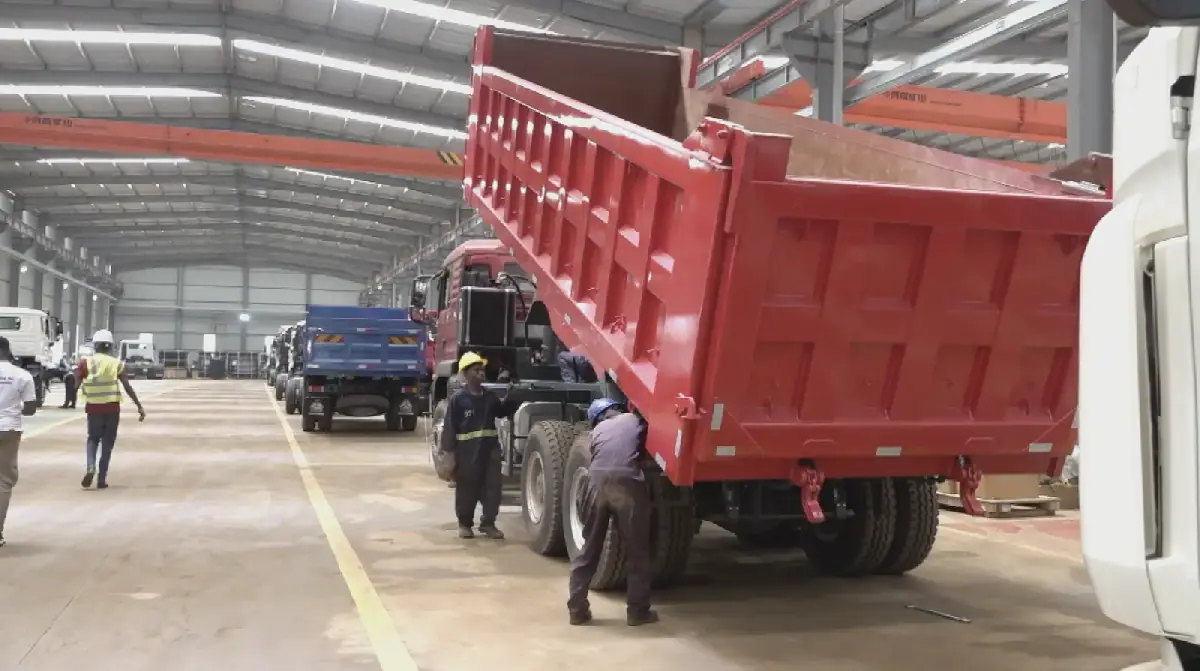
The Minister of Works and Transport, Fred Byamukama, announced the plans while inspecting the Double Q vehicle assembly plant in Nakirebe, Mpigi District. The plant, which assembles Sinotruk trucks, is one of the local manufacturing facilities that will benefit from the new policy. Byamukama emphasized the government's commitment to supporting local industries and promoting economic growth through initiatives like BUBU.
The BUBU initiative was launched to encourage Ugandans to buy locally produced goods and services, thereby promoting economic growth and development. The initiative also aims to create jobs and stimulate local industries, which are critical for the country's economic transformation. By restricting the importation of certain products, the government hopes to reduce the country's reliance on imported goods and promote self-sufficiency.
The new policy is expected to have a positive impact on local manufacturers, who have been facing stiff competition from imported goods. By protecting local industries, the government aims to create a level playing field for domestic producers and encourage them to invest in new technologies and innovations. This, in turn, is expected to improve the quality and competitiveness of locally produced goods.
The Double Q vehicle assembly plant in Nakirebe is one of the success stories of local manufacturing in Uganda. The plant, which was established in partnership with a Chinese company, has created jobs and stimulated economic growth in the region. The plant's production capacity has also helped to reduce the country's reliance on imported vehicles, saving foreign exchange and promoting economic growth.
The government's efforts to promote local industries have been welcomed by local business leaders, who have been calling for more support for domestic producers. They argue that the new policy will help to create a more competitive business environment and encourage investment in local industries. However, some critics have expressed concerns that the policy may lead to higher prices for consumers, as locally produced goods may be more expensive than imported alternatives.
The government has assured stakeholders that the new policy will be implemented in a way that balances the interests of local producers and consumers. The Minister of Works and Transport, Fred Byamukama, has emphasized the need for a gradual implementation of the policy to minimize disruptions to the economy. The government is expected to engage with stakeholders, including local businesses and consumers, to ensure a smooth transition to the new policy.
Key points
- The Ugandan government to restrict importation of products that can be manufactured locally.
- The policy aims to promote the Buy Uganda Build Uganda initiative and protect local and foreign investors.
- The policy is expected to have a positive impact on local manufacturers and the economy.