The Ugandan government is seeking increased private-sector investment in solar power and energy-storage systems to meet rising electricity demand and achieve universal access by 2030. Dr Brian Isabirye, commissioner for energy resources at the ministry of Energy and Mineral Development, emphasized that private investment is critical to expanding generation capacity, improving reliability, and lowering the cost of electricity for households and industries. This push for private investment comes as the country faces persistent challenges in its electricity sector.
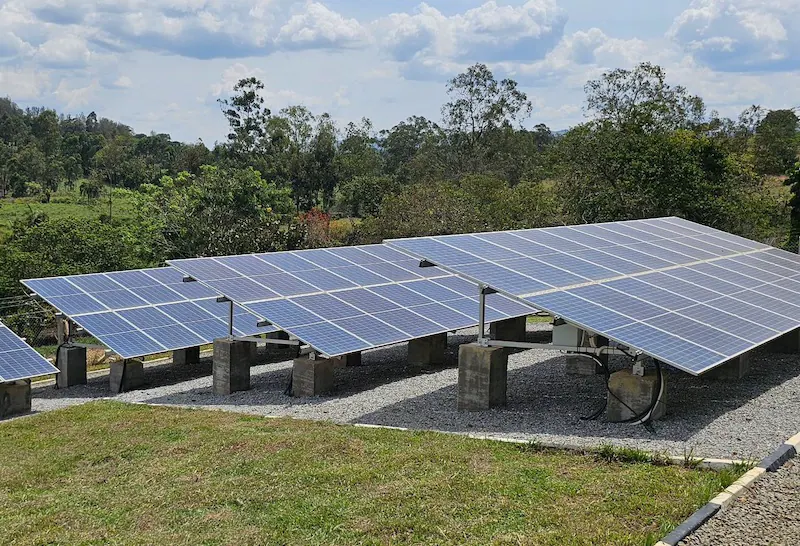
Speaking at the Partner Summit 2026, Isabirye highlighted the growing adoption of solar energy and battery storage as an opportunity for the private sector to support Uganda's energy transition. He stressed that government policy alone cannot deliver the scale of investment required to expand and modernize the electricity sector. Isabirye urged private players to invest in generation, storage, and other energy technologies to help bridge the gap. The government's call for private investment aims to leverage the expertise and resources of the private sector.
Uganda's installed generation capacity has increased in recent years, with hydropower remaining the dominant source, accounting for about 95 percent of the country's installed generation capacity. The 600MW Karuma Hydropower Project is a major addition to the national grid. However, Isabirye cautioned that increased generation capacity should not create the impression that Uganda has surplus electricity. Peak demand currently stands at about 1,000MW and is expected to continue rising as industrialization and economic activity expand.
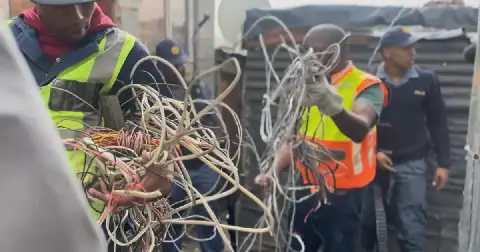
Electricity tariffs in Uganda declined in 2025, with the average tariff falling from about Shs 460 to Shs 395 per unit. The country has about 2.5 million electricity consumers, with the number growing by approximately 10 percent annually. Despite this growth, the expansion in access and demand has exposed persistent challenges, including unreliable supply, distribution losses, and affordability. Frequent power outages and voltage fluctuations continue to push institutions and businesses to install solar systems and backup generators.
Distribution losses remain a major concern, with more than 18 percent of electricity lost at the distribution level. Isabirye said reducing these losses would help lower costs and improve the efficiency of the electricity system. The government is targeting electricity prices of about five US cents per unit to make power more competitive for industries. To achieve this, Uganda would require about $8 billion in annual investment in the energy sector by the end of the decade.
Isabirye pointed to Uganda's strong solar resource, citing an International Energy Agency assessment that the country has a stronger solar resource than Spain. He emphasized that solar and battery storage at factories, hospitals, and farms complement the national grid, cut energy costs, and keep operations running during outages. Wider adoption of solar and storage would enable Uganda to make better use of existing electricity infrastructure while expanding access to reliable and affordable power.
The managing director of ACO Uganda, Jonan Twinamasiko, said Uganda's ambition to build a $500 billion economy would require a major expansion of electricity generation and access. Twinamasiko described solar power as one of the quickest options for meeting the country's growing energy needs, particularly among industrial and commercial users. With more than 800,000 households needing to be connected to electricity each year to achieve universal access by 2030, stronger collaboration between government and private investors is necessary.
Key points
- The Ugandan government seeks $8 billion in annual investment in the energy sector by the end of the decade.
- Uganda aims to achieve universal electricity access by 2030.
- The country has a strong solar resource, with an International Energy Agency assessment ranking it stronger than Spain's.