Uganda is shifting its focus towards sustainable farming practices, aiming to increase farmer incomes, strengthen domestic markets, and boost export opportunities. The country is set to host two major agricultural events in Kampala, bringing together farmers, policymakers, processors, and buyers to discuss the role of organic and regenerative agriculture in food security, climate resilience, and economic growth. These events will explore how sustainable production can translate into practical benefits for farmers.
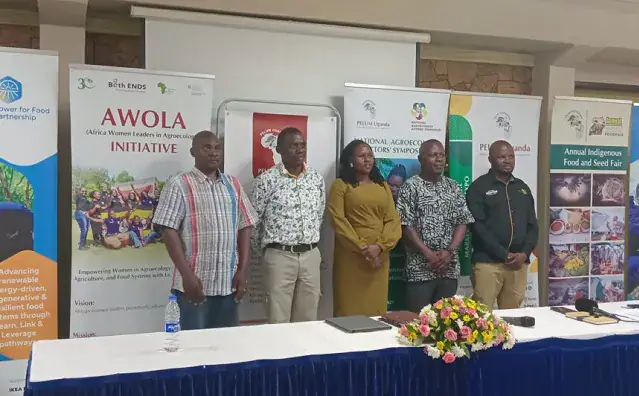
The 2026 National Agroecology Week of Action, organized by Participatory Ecological Land Use Management (PELUM) Uganda, will take place from October 26-30 at Hotel Africana, attracting over 1,500 stakeholders. The event aims to examine the links between sustainable production, policy, and markets. This gathering comes as Uganda seeks to enhance agricultural productivity, value addition, and natural resource protection. The central policy question revolves around farmers' access to financing, extension services, and commercial markets.
The National Agroecology Week will feature the eighth National Agroecology Actors' Symposium, focusing on advancing agroecology under the Kampala Comprehensive Africa Agriculture Development Programme commitments. The fifth Agroecological Market Systems Expo will showcase enterprises, products, and innovations, creating opportunities for partnerships and launching an Enterprise Readiness, Partnership Facilitation, and Uptake Acceleration Assessment Report. This market focus addresses the challenge faced by smallholder farmers, where sustainable production alone does not guarantee profitable businesses.
The events will also highlight the importance of organic and regenerative agriculture in Uganda's agricultural sector. The National Organic Agricultural Movement of Uganda (NOGAMU) will host the fifth National Organic Week (NOW) and Organic and Nature Expo (ONE) 2026 from November 4-7 at Hotel Africana. The expo, themed "Organic and Regenerative Innovations, Africa's Competitive Edge," is expected to attract 2,000 participants. NOGAMU's executive director, Charlton Namuwoza, emphasized the expo's goal to demonstrate Africa's readiness to participate in global organic trade.
Uganda's organic agriculture movement began in 1993, and the government approved the National Organic Agriculture Policy in 2019, providing a policy framework for the sector. However, the challenge now is to translate policy recognition into stronger production systems, market access, and commercial opportunities for farmers and processors. Organic farmer and NOGAMU board member Julie Nakalanda Matovu highlighted the potential of organic farming to provide resilient and safe food options, emphasizing the need for more organic products in domestic markets.
The economic case for organic and regenerative agriculture relies on farmers' ability to improve resilience to changing weather conditions while securing dependable returns. Policymakers require coordinated action across agricultural research, extension services, trade promotion, financing, and value addition. Women and young people are expected to feature prominently in the agroecology discussions, particularly around enterprise development and market participation.
The two events aim to provide platforms for examining these issues, but their significance will depend on the actions that follow. Stronger collaboration between government, farmers, and businesses could help turn sustainable agriculture into a source of competitive enterprises, improved rural incomes, and more resilient food systems. PELUM Uganda country coordinator Josephine Akia Luyimbazi emphasized the objective of moving beyond dialogue towards commitments linking farmers' innovations with policy action, partnerships, and market opportunities.
Key points
- Uganda's efforts to build a resilient agricultural sector focus on sustainable farming practices, policy, trade, and market access.
- The country is set to host two major agricultural events in Kampala to discuss the role of organic and regenerative agriculture in food security, climate resilience, and economic growth.
- The events aim to provide platforms for examining the issues and opportunities in sustainable agriculture, with a focus on policy, trade, and market access.