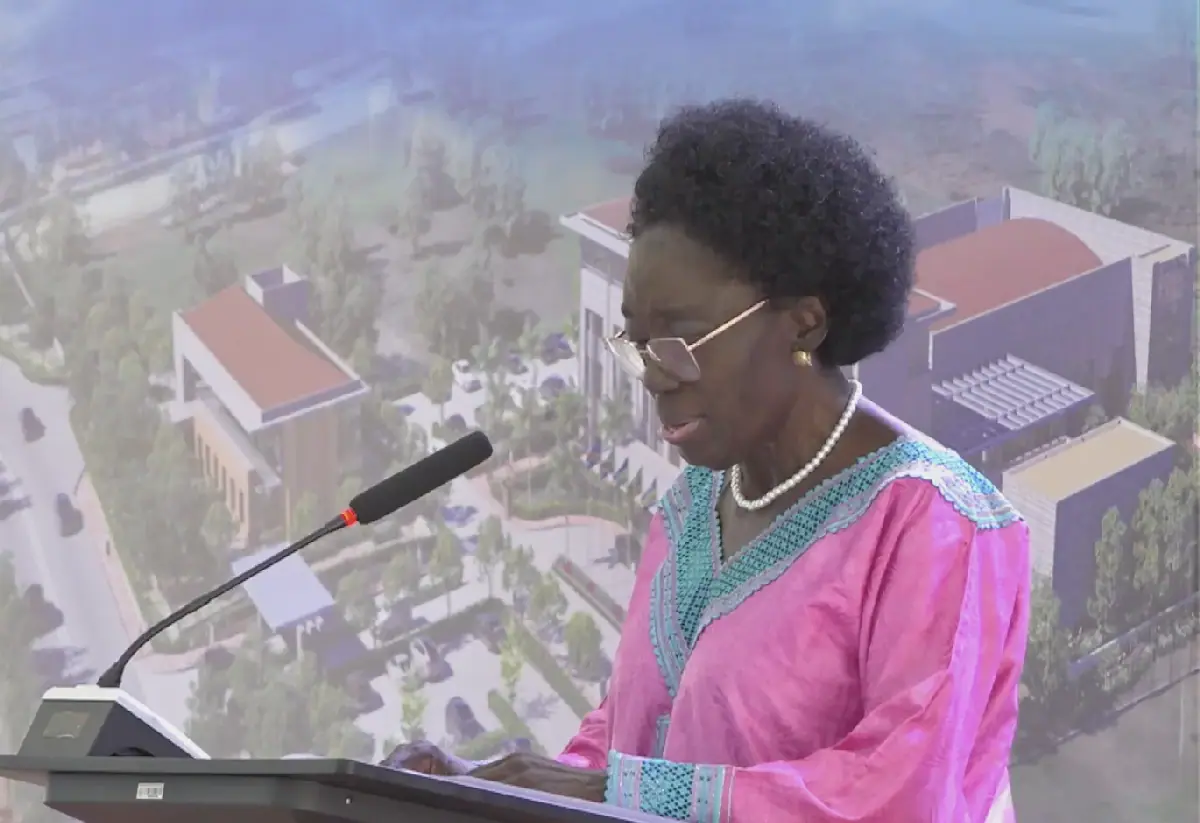
Uganda's Minister of East African Community Affairs, Rebecca Kadaga, has urged EAC member states to strengthen their commitment to harmonizing education and training systems. This call was made during the inauguration ceremony of the Inter-University Council for East Africa's (IUCEA) new headquarters building in Kampala. The EAC Common Market Protocol of 2010 stipulates the need for coordinated human resource development policies and harmonized curricula, examinations, certification, and accreditation.
The new IUCEA facility, valued at $8.4 million, will play a crucial role in promoting and coordinating higher education and research across EAC partner states. The building was inaugurated in Kyambogo, Kampala, and marks a significant milestone in the region's efforts to enhance educational cooperation. IUCEA is an institution that brings together universities from EAC member states to foster collaboration and cooperation in higher education.
Kadaga emphasized the importance of harmonizing education systems to facilitate the free movement of students, academic staff, and professionals within the EAC region. She noted that this would not only enhance the quality of education but also contribute to the region's economic growth and development. The Minister also highlighted the need for EAC member states to work together to address the challenges facing the education sector.
The EAC Common Market Protocol, which came into effect in 2010, aims to create a single market for the free movement of goods, services, capital, and labor within the region. The protocol recognizes the importance of education and training in achieving this goal and calls for the harmonization of education systems. Kadaga's call for action is seen as a significant step towards implementing this provision.
The IUCEA has been working closely with EAC member states to promote cooperation in higher education. The institution has developed several programs aimed at enhancing the quality of education and promoting research in the region. The new headquarters building will provide IUCEA with the necessary infrastructure to implement these programs effectively.
Education stakeholders in the region have welcomed Kadaga's call for action, noting that harmonizing education systems would have numerous benefits for the region. They include enhanced academic mobility, increased access to quality education, and improved employability of graduates. The stakeholders also emphasized the need for EAC member states to work together to address the challenges facing the education sector.
The implementation of Kadaga's proposal is expected to have a positive impact on the region's education sector. It will require EAC member states to work together to develop a framework for harmonizing education systems. This will involve coordinating policies, curricula, and accreditation systems to ensure that students and graduates from one country can easily access education and employment opportunities in other EAC member states.
Key points
- Kadaga urges EAC member states to harmonize education systems to facilitate free movement of students and professionals.
- The new IUCEA headquarters building will promote and coordinate higher education and research across EAC partner states.
- Harmonizing education systems will enhance the quality of education and contribute to the region's economic growth and development.