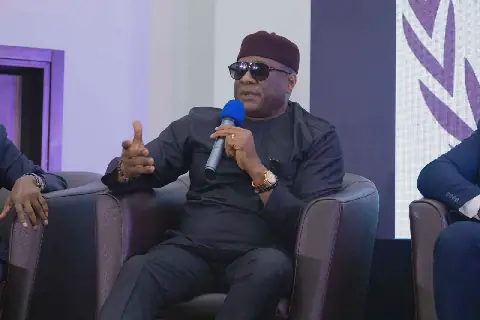
Ghana's GoldBod is examining the small-scale mining formalisation programmes of Colombia, Mongolia, Peru, and Tanzania to inform its own efforts to legalise artisanal miners under the new Responsible Cooperative Mining and Skills Development Programme (rCOMSDEP). GoldBod CEO Sammy Gyamfi stated that these countries offer valuable lessons for Ghana's plan. The rCOMSDEP programme aims to bring informal miners into the legal fold. Gyamfi highlighted Colombia's 2022 law as a model for Ghana.
Colombia's 2022 Law 2250 created a special legal framework for artisanal and small-scale miners, providing a shield from criminal prosecution for unauthorised mining while they formalise their operations. The law requires traditional miners to apply through a Comprehensive Mining System. Gyamfi noted that Colombia's Ministry of Mines and Energy led the programme, which was expected to be completed by 2026. This approach could be applied to Ghana's own informal mining sector.
Mongolia, Peru, and Tanzania have also implemented successful formalisation programmes. In Mongolia, authorities revised artisanal mining rules in 2017 to identify and organise "Ninja miners" into cooperatives. Peru's Comprehensive Registry for Mining Formalisation (REINFO) was established in 2012 and has since been used to enforce compliance. Tanzania's model, launched in 2016, resulted in over 5,000 registered mining groups and dedicated small-scale mining zones.
Ghana's rCOMSDEP programme has already secured Cabinet approval and is provided for in the Amendment Bill to the Minerals and Mining Act currently before Parliament. Eligible informal miners would be registered into cooperatives and trained in mercury-free processing, land reclamation, and sustainable mining methods. The programme aims to provide a clear pathway from mineral ownership to indigenous ownership in practice.
The rCOMSDEP programme will also be supported by the ASM Formalisation and Financing Support Programme (FFSP), which will offer financing and technical support to licensed small-scale miners and cooperatives. The FFSP will be rolled out in 2027 in partnership with the University of Mines and Technology (UMaT). This initiative aims to boost Ghana's foreign exchange reserves and create jobs for young people.
The push for formalisation comes as the National Anti-Illegal Mining Operations Secretariat (NAIMOS) continues to crack down on galamsey sites. Recent operations have resulted in confrontations between armed residents and officers. GoldBod has previously disclosed that Ghana refined 9 metric tonnes of gold domestically before export as part of its effort to retain more mining value within the country.
GoldBod CEO Sammy Gyamfi called for bipartisan backing from Parliament, traditional authorities, civil society, and the wider public to see the programme through. He argued that organised artisanal mining could provide a clear pathway to indigenous ownership and boost Ghana's economy. The programme's success will depend on the support of various stakeholders.
Key points
- Ghana's GoldBod is studying Colombia, Mongolia, Peru, and Tanzania's small-scale mining formalisation programmes to guide its own rCOMSDEP initiative.
- The rCOMSDEP programme aims to bring informal miners into the legal fold and provide a clear pathway from mineral ownership to indigenous ownership in practice.
- The programme's success will depend on the support of various stakeholders, including Parliament, traditional authorities, civil society, and the wider public.