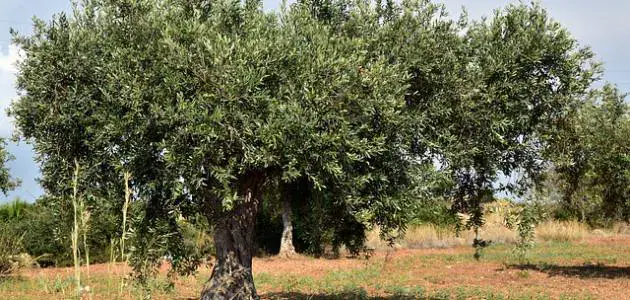
The olive harvesting season officially begins today in Tunisia's Jendouba governorate, with predictions of an average yield. According to Khaled Khemissi, an engineer at the Jendouba Regional Agricultural Union, the season's start is marked by ongoing field visits to assess the readiness of olive oil production facilities. These visits aim to ensure a smooth harvest and production process. The region is known for its significant olive oil production, contributing substantially to Tunisia's agricultural sector.
The Jendouba governorate is one of Tunisia's major olive-producing regions, with numerous farms and olive groves spread across its landscape. Local farmers and producers are gearing up for the harvest, which is expected to last several weeks. The production season is crucial for the local economy, providing income for thousands of families involved in olive cultivation and oil production. Authorities and agricultural experts are monitoring weather conditions and crop health to advise farmers on optimal harvesting and production practices.
Khaled Khemissi emphasized the importance of the olive sector in Jendouba, highlighting its role in supporting the local economy and preserving traditional agricultural practices. The engineer noted that the current season's prospects appear promising, with favorable weather conditions contributing to healthy olive crops. However, he also mentioned that challenges such as pests and diseases need to be managed effectively to ensure a successful harvest.
In preparation for the season, local authorities and agricultural services have been working to ensure that producers have access to necessary equipment and expertise. This includes providing guidance on modern farming techniques, pest management, and efficient harvesting methods. The goal is to enhance productivity and quality, enabling Tunisian olive oil to compete effectively in both domestic and international markets.
The olive harvesting season in Jendouba and other parts of Tunisia typically runs from November to January, with the peak harvest period usually occurring in December. During this time, thousands of workers are involved in picking olives, which are then processed into olive oil. The sector not only provides employment opportunities but also contributes significantly to Tunisia's agricultural exports.
Tunisia has a long tradition of olive cultivation and olive oil production, with the product being an integral part of the country's cuisine and culture. The government and various agricultural organizations are working to support the sector through initiatives aimed at improving production efficiency, enhancing quality, and promoting Tunisian olive oil globally.
As the olive harvesting season progresses in Jendouba and other regions, stakeholders will be closely monitoring production levels, quality, and market trends. The sector's performance will be crucial for the country's agricultural economy, and any developments in the olive oil market are likely to have a significant impact on rural communities and the national economy.
Key points
- The olive harvesting season has begun in Tunisia's Jendouba governorate with expectations of an average yield.
- The sector plays a vital role in supporting the local economy and preserving traditional agricultural practices.
- Authorities are working to support producers with equipment, expertise, and guidance to enhance productivity and quality.