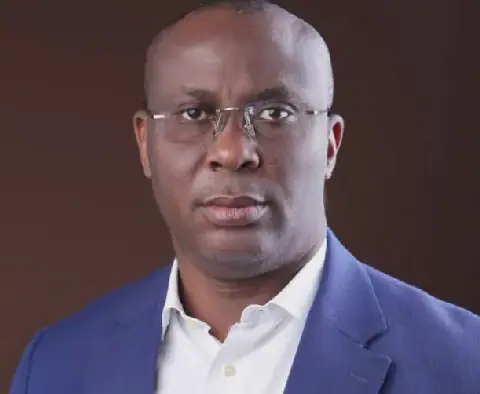
The Ministry of Energy and Mineral Development in Uganda is challenging leaders and development stakeholders to rethink their approach to measuring success in energy access. Currently, success is often equated with the installation of equipment and infrastructure. However, Commissioner for Renewable Energy Dr. Brian Isabirye argues that this approach is not accurate. He made these remarks at the 2026 Dream Partners Conference in Kampala, organised by Heifer International.
Dr. Isabirye emphasised that having 2,100 megawatts of electricity and extensive power transmission and distribution lines does not necessarily translate to improved livelihoods for farmers. Instead, he believes that the focus should be on the actual needs and economic benefits experienced by people on the ground. Farmers, he noted, do not need solar-powered irrigation pumps simply for ownership, but to reduce agricultural losses and increase their incomes.
The Commissioner highlighted that electricity should be viewed as a tool for driving economic transformation and prosperity, rather than an end in itself. He suggested that progress should be measured by the number of hectares brought under irrigation, jobs created, household incomes improved, and industries established through access to reliable energy. This approach will ensure that energy investments contribute to agricultural productivity, job creation, and sustainable rural development.
Dr. Isabirye also discussed the potential of agri-solar technology, advocating for a shift towards integrated systems that use solar power to support irrigation, cold storage, agricultural processing, and electric mobility. He further recommended the adoption of agrivoltaics, an approach that allows the same piece of land to be used for both agricultural production and solar electricity generation.
The Commissioner called for expanded net-metering arrangements to enable farmers who generate surplus solar electricity to feed it into the national grid and earn additional income. This, he believes, will provide farmers with a new source of income and encourage the adoption of solar energy. By making these recommendations, Dr. Isabirye underscored the need for a more holistic approach to energy access.
The Ministry's push for a new approach to measuring success in energy access is a significant shift in the country's energy policy. By focusing on the actual needs and economic benefits of energy access, the Ministry aims to ensure that energy investments have a tangible impact on the lives of farmers and rural communities. This approach is expected to drive sustainable rural development and improve the livelihoods of Ugandans.
The remarks made by Dr. Isabirye at the 2026 Dream Partners Conference have significant implications for Uganda's energy sector. As the country continues to invest in energy infrastructure, the Ministry's new approach will ensure that these investments are effective in driving economic transformation and prosperity. The Ministry's efforts are expected to lead to increased agricultural productivity, job creation, and improved household incomes.
Key points
- The Ministry of Energy and Mineral Development is pushing for a shift in how success in energy access is measured, focusing on the actual needs and economic benefits of energy access.
- Dr. Brian Isabirye emphasised that electricity should be viewed as a tool for driving economic transformation and prosperity, rather than an end in itself.
- The Ministry is advocating for the adoption of agri-solar technology and agrivoltaics to support irrigation, cold storage, agricultural processing, and electric mobility.