A recent study by the Rwanda Cultural Heritage Commission has revealed that despite high literacy rates in Rwanda, the country's reading culture is still lagging behind. According to the study, 79% of Rwandans can read and write, but only 31.8% of them read books. This discrepancy highlights a significant gap between literacy and a culture of reading. The study, which surveyed 31.8% of non-book readers, found that 45.6% of them do not value reading.
The study identified several obstacles that contribute to the low reading culture in Rwanda. These include a lack of access to books, inadequate libraries, and errors in some published books. Additionally, 35.4% of respondents cited difficulties in obtaining books, while 9.8% mentioned that libraries are scarce. Furthermore, 7.2% of respondents said that books are not available in their native languages, and 2.1% complained that books are too expensive.
The study also examined the types of books that Rwandans read. It found that books on knowledge, including economics, education, governance, development, and health, are the most widely read, accounting for 32% of all books read. These are followed by religious books (24%), history books (22%), novels (16%), and newspapers (6%). This information can help inform efforts to promote reading and publishing in Rwanda.
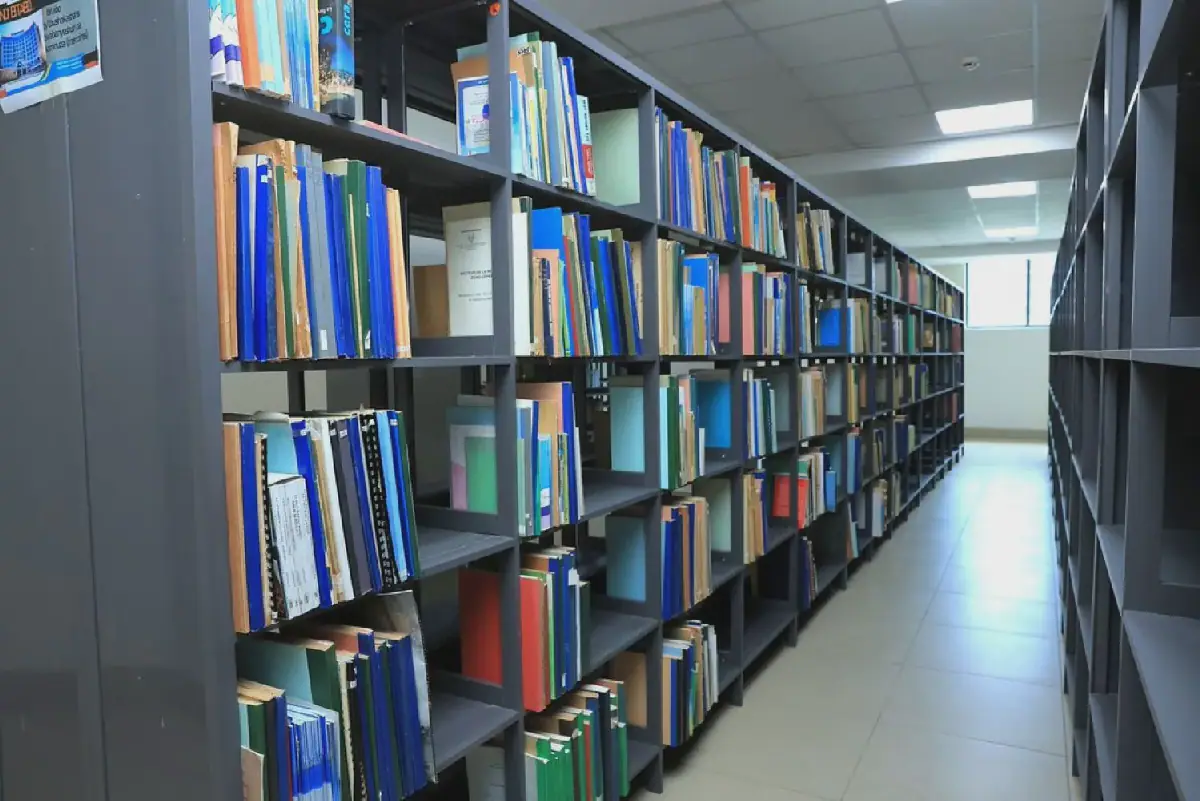
The scarcity of libraries and books is a significant challenge. There are currently only 70 public libraries in Rwanda's 30 districts. The National Library, which is the largest, has a collection of 20,130 books, 314,963 newspaper pages, and 4,391 magazines. However, this is still insufficient to meet the needs of the population. According to Ambasaderi Robert Masozera, the CEO of the Rwanda Cultural Heritage Commission, more libraries and books are needed to promote reading.
Experts and readers have highlighted the issue of errors in published books, which can discourage readers. Irumva Olivier, a book enthusiast, noted that errors in some books can be a turn-off for readers. Ambasaderi Masozera acknowledged that the Commission is aware of this problem and is working to address it. He urged authors and publishers to proofread their work carefully before publication.
To promote reading and improve the reading culture in Rwanda, the Commission has launched a series of initiatives. These include training for authors and publishers, as well as efforts to increase access to books and libraries. The Commission aims to make reading more accessible and enjoyable for Rwandans. By promoting reading, the Commission hopes to foster a culture of lifelong learning and intellectual curiosity.
The Commission's efforts to promote reading are crucial for Rwanda's development. Reading can help Rwandans acquire new knowledge, improve their critical thinking skills, and enhance their creativity. By promoting reading, the Commission can help Rwandans become more informed, engaged, and active citizens. Ultimately, a strong reading culture can contribute to Rwanda's social and economic development.
Key points
- Only 31.8% of Rwandans read books, despite high literacy rates.
- The main obstacles to reading in Rwanda include lack of access to books, inadequate libraries, and errors in published books.
- The Rwanda Cultural Heritage Commission is working to promote reading and improve the reading culture in Rwanda through various initiatives.