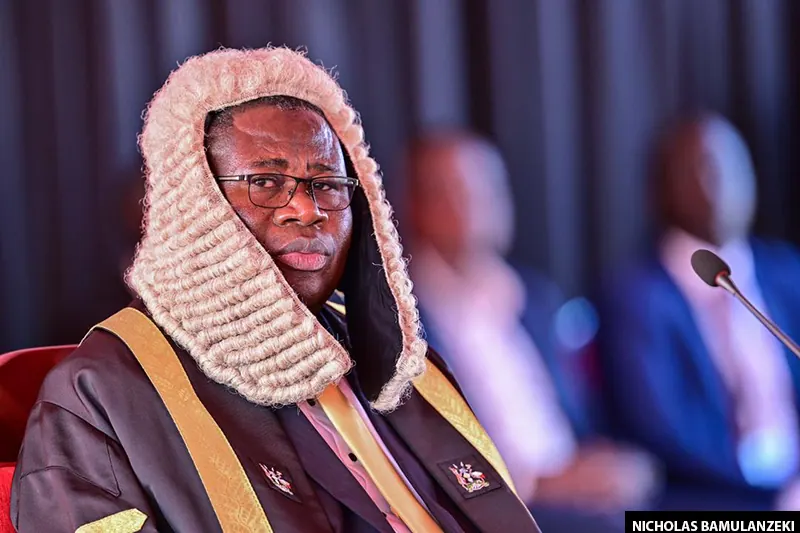
Uganda's 12th Parliament has marked the end of its first 100 days in office, a period during which the new leadership has laid out its ambitions and priorities for the term. The Parliament, which was inaugurated in May 2026, has seen the election of Jacob Marksons Oboth-Oboth as Speaker and Thomas Tayebwa as Deputy Speaker. In his inaugural address, Oboth-Oboth set out seven priorities, including zero tolerance for corruption, stronger accountability, evidence-based debate, results-based budgeting, an open Parliament, and proactive oversight.
The 12th Parliament began its work in May and crossed its symbolic 100-day mark in early September. Following this milestone, Parliament went into a three-week recess before returning at the end of September. President Yoweri Museveni met with the NRM Parliamentary Caucus on October 2 at Kololo Independence Grounds, where he urged NRM legislators to reconnect with citizens, monitor government programs, and become more involved in addressing problems affecting communities.
The meeting highlighted a broader issue confronting the new Parliament: whether an overwhelmingly powerful governing party can simultaneously support the executive's program and subject that same government to rigorous scrutiny. This tension is not unique to Uganda, as parliamentary systems routinely require governing-party legislators to balance party loyalty against their constitutional responsibility to scrutinize public expenditure, legislation, and executive performance.
One key area of focus for Parliament is oversight, with constitutional responsibilities including scrutinizing government administration and public expenditure. Questions about its first months are relatively straightforward, such as the number of committee hearings held, accounting officers summoned, and major audit findings followed up. Committees, including the Public Accounts Committee and the Committee on Commissions, Statutory Authorities and State Enterprises, were constituted in July.
The effectiveness of these committees will ultimately depend on what their investigations, recommendations, and hearings produce. The same test applies to legislation, with parliamentary productivity often measured by the number of Bills processed or laws passed. However, numbers alone reveal little about the quality of legislative scrutiny, and a more revealing assessment would trace legislation through the entire process.
A large government majority can accelerate legislation, but committee reports, amendments, and Hansard can show whether that speed is matched by rigorous scrutiny. The same evidence-based approach could be applied to government programs, particularly the Parish Development Model. For every major program, Parliament can pursue a basic chain of accountability, including how much money was allocated, released, and spent, and what was delivered.
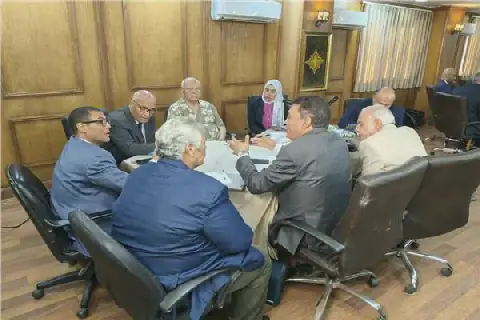
The October 2 caucus meeting also revealed a different institutional challenge, with 75 NRM MPs and flag bearers facing election petitions arising from the 2026 general elections and seeking financial support for legal representation. The courts must determine the petitions, but the request for financial assistance raises a broader governance question about how political parties should support members facing litigation while preserving clear boundaries between party interests, state resources, and the institutional independence expected of legislators.
Key points
- The 12th Parliament's effectiveness will be measured by its ability to balance party loyalty with rigorous scrutiny of the executive.
- Parliament's oversight and legislative work will be crucial in determining its impact on governance and accountability.
- The relationship between Parliament and the executive will be closely watched, particularly in light of the governing party's large majority.