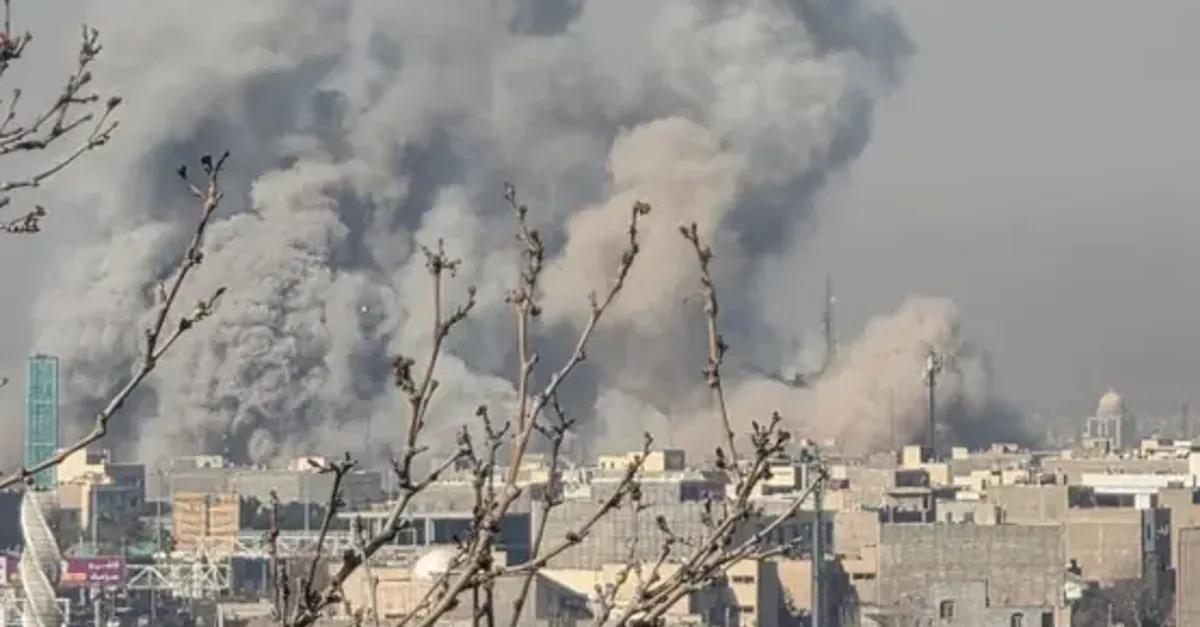
The US military is exploring options for a potential strike against Iran, including a three-day aerial campaign targeting Iranian missile and drone arsenals, energy facilities, and military sites. According to sources, the Pentagon has prepared plans for a short but intense campaign, with military leaders ready to launch a broader operation if President Donald Trump changes his stance. The plans were discussed during a meeting at Camp David, led by Vice President Mike Pence.
Despite the preparations, Trump has repeatedly declined to authorize a large-scale military operation against Iran. In recent months, his national security team and the Pentagon have presented him with five proposals for significant military action against Iran or the Houthis in Yemen, but he has rejected all of them. Trump tweeted that he would not attack Iran before the US midterm elections in November, citing ongoing discussions between the two countries.
The US is reinforcing its military presence in the Middle East, with a third aircraft carrier, the USS Theodore Roosevelt, heading to the region to join the USS George H.W. Bush and USS George Washington. This move could result in three US aircraft carriers in the region for the first time since 2003. The deployment will increase the number of sailors and Marines to over 20,000 by the end of October, along with hundreds of aircraft.
However, the decision to launch a new attack remains uncertain, with concerns among US officials about depleting defensive ammunition stocks needed to protect US bases in the Middle East and counter Iranian attacks. Iran has become more capable of executing attacks, improving its military tactics and using satellite imagery provided by Chinese companies to target US bases.
Since September, Iran has targeted at least 13 ships, according to a British Navy monitoring group, with intelligence reports suggesting the number may be closer to 20. These attacks have not been met with a significant US response. Some officials believe that economic pressures on Tehran are starting to take effect and may lead to Iranian concessions.
Proponents of a military strike argue that a short, intense campaign could increase pressure on Iran's economy and its ability to control the Strait of Hormuz. Despite continued US interceptions of Iranian drones and cruise missiles, no strikes have been carried out against Iran's secretive oil tanker fleet or within Iran itself.
The US and Iran are engaged in ongoing negotiations, facilitated by intermediaries, but differences remain over Iran's nuclear program. Washington seeks an agreement on Tehran's nuclear ambitions first, while Iranian negotiators want to delay discussion of this issue until later. The situation remains volatile, with the US weighing its next move.
Key points
- The US military is exploring options for a potential strike against Iran, including a three-day aerial campaign.
- Trump has repeatedly declined to authorize a large-scale military operation against Iran.
- The US is reinforcing its military presence in the Middle East, with a third aircraft carrier heading to the region.