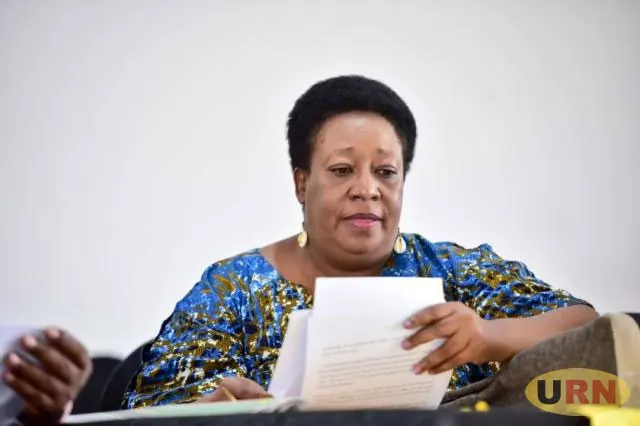
The Ugandan Ministry of Education and Sports has announced new regulations for international schools operating in the country. Effective immediately, institutions offering both foreign and Ugandan curricula must choose a clear licensing path or meet the requirements for both independently. This move aims to bring international schools under tighter oversight and ensure they meet specific standards. The Chief Education Officer, Frances Atima, emphasized that schools offering dual curricula must maintain separate registration and licensing arrangements.
The new regulations are part of a wider effort to regulate the international school sector in Uganda. The Ministry introduced the Basic Requirements and Minimum Standards for International Schools (BRMS-IS) in May 2026, which address a longstanding gap in the sector's regulation. According to Atima, the absence of specific standards made it difficult for inspectors to distinguish genuine international schools from local institutions using the international label. This lack of oversight has led to some schools operating from residential houses while advertising themselves as international schools.
Some international schools in Uganda have been found to charge high fees while offering programs similar to the national curriculum. Atima noted that parents are often duped into paying high fees, thinking their children are receiving an international education. The Ministry is preparing a nationwide validation exercise to map the number of international schools operating in the country, including those outside official records. This exercise will assess whether schools meet the required standards and identify those operating without licenses.
The validation exercise will examine schools' registration and licenses, curricula, international accreditation, staffing, facilities, and other requirements. Schools operating without the required licenses or failing to meet the standards face regulatory action, including closure. Inspectors have been instructed to identify and document all international schools they encounter, including those not listed in ministry records. The Ministry aims to give parents a clearer picture of the sector and ensure that schools operate transparently.
The BRMS-IS cover international schools from foundation level through secondary level, including day and boarding institutions. The standards address governance and management, registration, licensing, staffing, curriculum, teaching and learning, financial management, facilities, child protection, security, health and sanitation, food safety, environmental management, and parent engagement. Schools must be registered with the Uganda Registration Services Bureau and licensed by the Ministry of Education and Sports.
The new standards set specific requirements for teacher-learner ratios, qualified leadership, and functional boards of governors or management committees. Schools are also expected to obtain an examination center number within three years or show documented progress towards obtaining one. The standards place particular emphasis on the curriculum, requiring foreign curricula to receive approval from the National Curriculum Development Centre and accreditation from a recognized international body.
Education consultant Gonzaga Kaswarra welcomed the new standards, describing the move as long overdue. However, he noted that gaps remain in the regulation of international curricula, teacher recruitment, and school fees. Kaswarra expressed concern over the rising cost of international education and the lack of regulation around skyrocketing fees. He emphasized the need for alignment with international law to regulate the curriculum and address issues of racial segregation in teacher recruitment.
Key points
- International schools in Uganda must choose one curriculum and meet specific standards.
- The Ministry of Education is conducting a nationwide validation exercise to assess international schools.
- The new regulations aim to bring international schools under tighter oversight and ensure transparency.