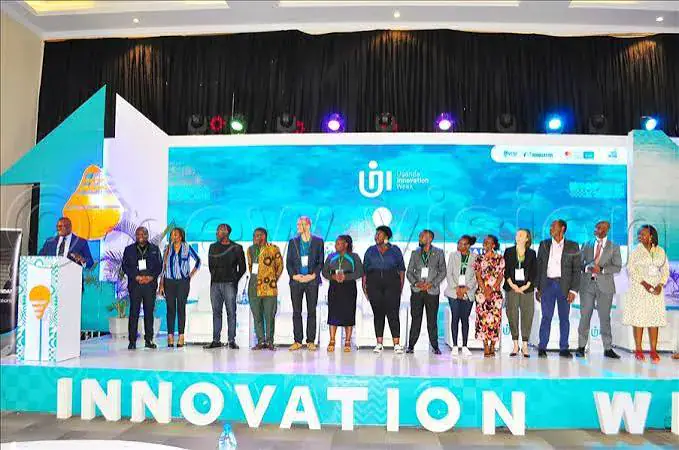
The Uganda Innovation Week is set to commence at the UICT grounds in Nakawa on November 9, with an expected attendance of over 3,000 participants. This year's event is the largest edition yet, spanning five days, nearly double the 1,755 who attended in person in 2023, and far more than the 2,000-plus who gathered at Kololo Airstrip in 2019. The event has grown significantly since its inception as Kampala Innovation Week and the launch of Startup Uganda.
The week's five themes will focus on whether Uganda's businesses have the potential to scale. Maren Hald Bjorgum, Chief Communications Officer at Emaata, who attended the first edition in 2019, shares her experience of the ecosystem's growth and challenges. She notes that the Afro-optimism and unicorn rounds initially dominated the scene, but the rise in global interest rates led to a shift in investor priorities, making it difficult for many startups to survive.
The first two themes, "Building for Africa, from Uganda" and "Money, Markets and the Future of Finance," will explore homegrown solutions built to scale across the continent and funding gaps, fintech, and the AfCFTA trade opportunity. Maren emphasizes the importance of building local first and considering the market beyond Uganda's borders. She also highlights the lack of angel capital on the continent and the need for alternative funding options.
The third theme, "Policy, Power and the Startup Act," aims to leave a paper trail through the Innovation Policy Forum, which will end with written positions published by Startup Uganda. Maren notes that URA is often cited as a major challenge by business owners, and her advice is to hire a finance person early and not to hide from the taxman. URA is now among the week's partners, which should make the forum lively.
The fourth theme, "Deep Tech, Climate and the Next Frontier," will cover AI, CleanTech, AgriTech, and HealthTech, with the Tech Experience Zone showcasing some of these technologies live. Emaata offers a contrast as a financier of farmers, not tech companies. Maren challenges her own sector to think creatively about financing and to act cautiously, citing mobile money data as an example of innovative approaches.
The fifth theme, "The Ecosystem Builders: IESOs, Talent and the Long Game," will focus on the organizations and mentors that make the system work. Maren argues that Uganda needs fewer entrepreneurs and more employees, suggesting that necessity pushes people into small businesses, but most only make sense at scale. Her advice is to learn inside a well-run company before building one's own.
The week's design includes practitioner-led masterclasses, investor pitches, an exhibition of over 60 startups, hubs, and corporates, and awards on the closing day. Each puts a business in front of someone who can help it grow. Maren will test these ideas live through a panel discussion on how startups grow into scale-ups and potentially exits, hosted by Emaata with the Netherlands Embassy.
Key points
- Women made up 29.6 per cent of participants in 2023, and the week's success will be judged on who is in the room as well as how many.