The Bolgatanga East District in Ghana's Upper East Region is set to improve healthcare access for residents of Pologo and Dubila with the completion of two Community-based Health Planning and Services (CHPS) compounds under the Gulf of Guinea Northern Regions Social Cohesion (SOCO) Project. The facilities will provide dedicated spaces for health workers who previously operated from other health facilities and had to transport medical equipment and supplies to serve residents. This development is expected to address some of the challenges residents faced in accessing healthcare services.
The Pologo CHPS compound was initiated in 2024, while the Dubila facility was started by the Ministry of Health in 2013 but abandoned around 2017. The Bolgatanga East District Chief Executive, Jacob Abugre Aka-Eri, stated that the Assembly subsequently secured support under the SOCO project to complete the facilities. He added that the two communities had struggled with inadequate healthcare infrastructure for years, prompting repeated appeals from residents and community leaders.
According to Mr Aka-Eri, during his tenure as an assembly member, residents of Pologo had consistently demanded a CHPS compound to improve access to basic healthcare. The District Chief Executive urged community members to take ownership of the facilities, ensure their proper maintenance, and make use of the healthcare services available. He encouraged residents to seek basic healthcare at the new compounds rather than travelling to other facilities unnecessarily.
The SOCO Zonal Coordinator, Samuel Larbi, explained that the projects were selected through a community-driven approach that allowed residents to identify their development priorities. Communities submitted their needs through Community Action Plans to the District Assembly for consideration under the SOCO programme. This approach ensures that community needs are addressed, and development priorities are met.
The Bolgatanga East District Director of Health Services, Maria Mahama, said the facilities would improve working conditions for health personnel and strengthen healthcare delivery in the two communities. Health workers previously operated from their parent health facilities and had to move medical equipment and other essential supplies between locations to provide services. The newly completed compounds will provide permanent spaces for health workers to deliver services and securely store medical equipment.
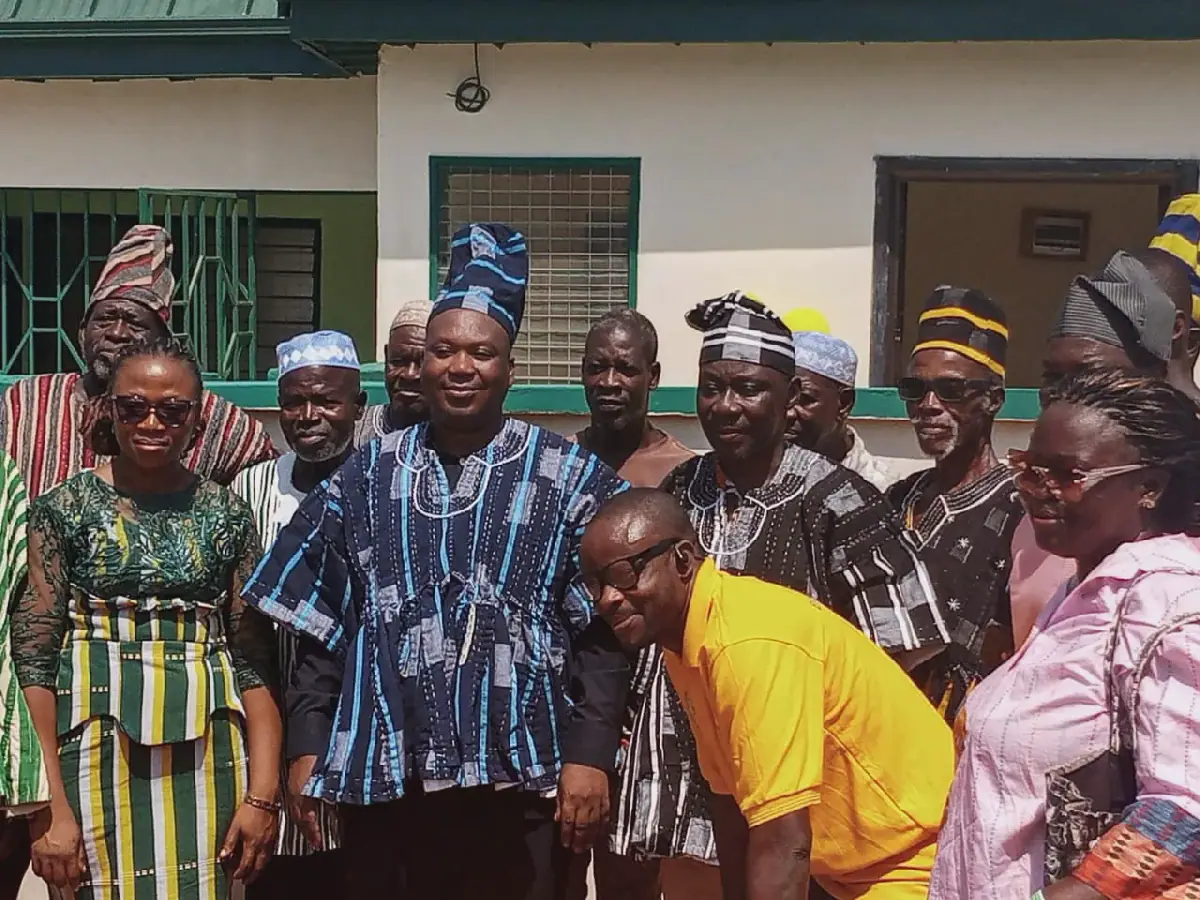
Madam Mahama expressed optimism that the facilities would improve access to basic healthcare and reduce the difficulties residents faced in seeking medical attention. The commissioning ceremonies were attended by traditional leaders, District Assembly officials, health workers, and young people from the beneficiary communities. This development is a significant step towards addressing the healthcare needs of the residents.
The completion of the CHPS compounds is a result of collaborative efforts between the District Assembly, the Ministry of Health, and the SOCO project. Key stakeholders are confident that the facilities will make a positive impact on the lives of residents in Pologo and Dubila. The projects demonstrate the importance of community-driven development initiatives in addressing local needs.
Key points
- The two CHPS compounds were completed under the Gulf of Guinea Northern Regions Social Cohesion (SOCO) Project.
- The facilities will improve working conditions for health personnel and strengthen healthcare delivery in the two communities.
- The projects were selected through a community-driven approach that allowed residents to identify their development priorities.