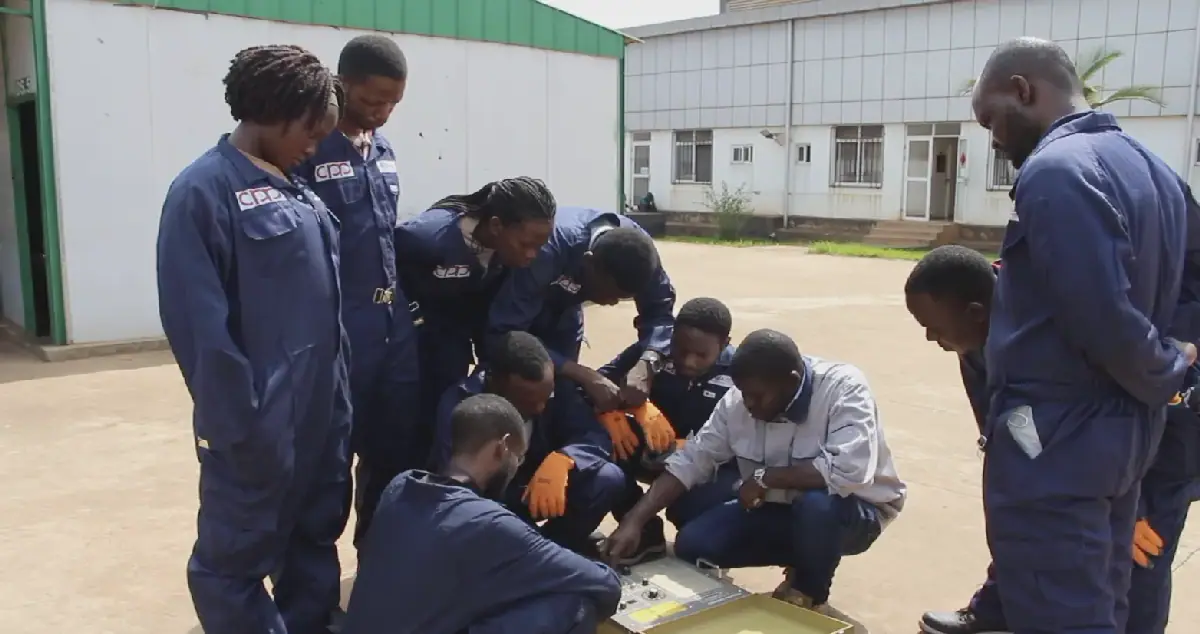
As Uganda prepares to produce its first oil, the country is shifting focus towards building lasting industries and developing skilled local operators. The seventh National Content Conference brought together stakeholders to discuss how petroleum investments can create sustainable economic benefits. The goal is to ensure that Ugandans continue to earn from the sector long after the construction phase is completed. This strategic approach aims to maximize the economic potential of Uganda's oil resources.
The National Content Conference highlighted the importance of local content in Uganda's oil and gas sector. Industry experts and policymakers discussed ways to increase local participation and create jobs for Ugandans. The conference also explored opportunities for Ugandan businesses to provide goods and services to the oil and gas industry. By developing local industries, Uganda hopes to reduce its reliance on foreign companies and create a more sustainable economy.
Uganda's oil production is expected to have a significant impact on the country's economy. However, there are concerns that the benefits may be short-lived if not managed properly. To address this, the government is working to develop policies and regulations that promote local content and participation. This includes initiatives to train and develop local skills, as well as support for Ugandan businesses looking to enter the oil and gas sector.
The development of local industries is critical to Uganda's economic growth and development. By building a strong and competitive local sector, Uganda can create jobs, stimulate economic growth, and reduce poverty. The oil and gas sector provides a unique opportunity for Uganda to develop its local industries and create a more sustainable economy.
According to Olive Nabiryo, writing for NTV Uganda, the seventh National Content Conference was a platform for stakeholders to discuss the country's economic future. The conference highlighted the need for Uganda to develop its local industries and create skilled jobs for its citizens. This will ensure that the benefits of oil production are shared equitably among Ugandans.
Uganda's experience in the oil and gas sector is still limited, but the country is determined to learn from best practices and international experiences. The government is working with international partners to develop the necessary policies, regulations, and infrastructure to support the growth of local industries. This includes investing in education and training programs to develop the skills needed for the oil and gas sector.
As Uganda moves forward with oil production, the focus on building local industries and developing skilled labour will be crucial. The country's economic future depends on its ability to create sustainable economic benefits from its natural resources. By prioritizing local content and participation, Uganda can ensure that the benefits of oil production are shared by all Ugandans.
Key points
- Uganda aims to develop local industries and skilled labour to sustain economic benefits from oil production.