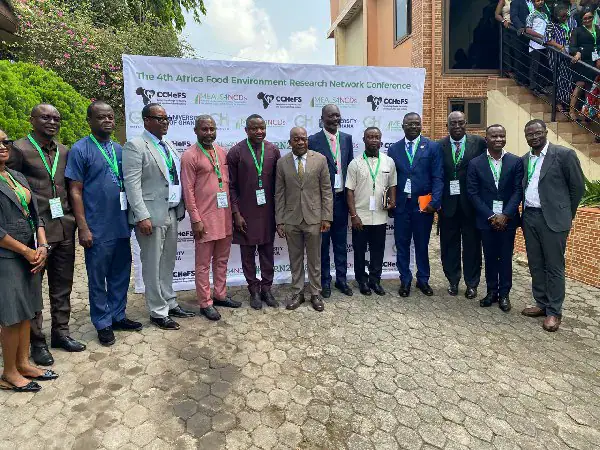
A University of Ghana professor has raised concerns that Ghanaians are abandoning traditional meals in favour of modern diets, potentially fuelling the country's growing burden of diet-related disease. Prof Samuel Nii Ardey Codjoe, Pro Vice-Chancellor for Research, Innovation and Development, spoke at the 6th Africa Food Environment Research Network Conference in Aburi. He noted that the shift away from traditional foods may be costing Ghana some of its most nutritious meal options. This trend has significant implications for the country's health.
Prof Codjoe reflected on his childhood in Teshie, a coastal community in Accra, where he grew up surrounded by wild fruits and diverse food combinations. He recalled that many of these dishes have since disappeared from common use. Prof Codjoe questioned whether such foods had simply been forgotten or deliberately stopped being prepared, highlighting that many were highly nutritious. He called for research into traditional foods that have gradually vanished from Ghanaian tables. This knowledge could help bring back nutritious options.
The professor identified cultural food taboos as another factor limiting access to nutritious foods. In the Afram Plains, pregnant women are forbidden from eating boiled eggs, despite no clear explanation for this restriction. Snails, a good source of protein, are also shunned by certain cultural groups. Prof Codjoe called for further research into the origins of such restrictions, arguing that Ghana needs to re-examine long-standing practices amid mounting nutrition and climate-related challenges. These practices may have significant health implications.
Prof Codjoe urged Members of Parliament to support evidence-based policies that promote healthier food environments. He suggested that they use their legislative, financial, and oversight functions to back initiatives that encourage nutritious food consumption. This support could help address diet-related health issues in Ghana. The country faces significant challenges in this area.
Prof Charles Agyemang of the University Medical Center in the Netherlands echoed Prof Codjoe's concerns, warning that unhealthy diets contribute to rising cases of non-communicable diseases such as hypertension, diabetes, and heart disease. He noted that the decline in traditional food consumption, paired with the increasing availability of unhealthy food options, poses a risk to children's and adolescents' health. This trend has serious implications for Ghana's future health.
The Generation H project, which focuses on improving nutrition and physical activity among young people in Ghana and Kenya, is working to tackle the problem directly. Prof Agyemang stressed that healthier children are more likely to grow into healthier adults. This initiative aims to address the root causes of diet-related health issues. It promotes sustainable solutions.
The concerns raised by Prof Codjoe and Prof Agyemang highlight the need for Ghana to re-examine its food culture and prioritize nutritious traditional foods. The country must address cultural food taboos and promote healthier eating habits. By doing so, Ghana can reduce its burden of diet-related disease and promote a healthier population. This effort requires collaboration from various stakeholders.
Key points
- University of Ghana professor warns shift to modern diets may fuel diet-related diseases
- Cultural food taboos limit access to nutritious foods in Ghana
- Experts call for evidence-based policies to promote healthier food environments