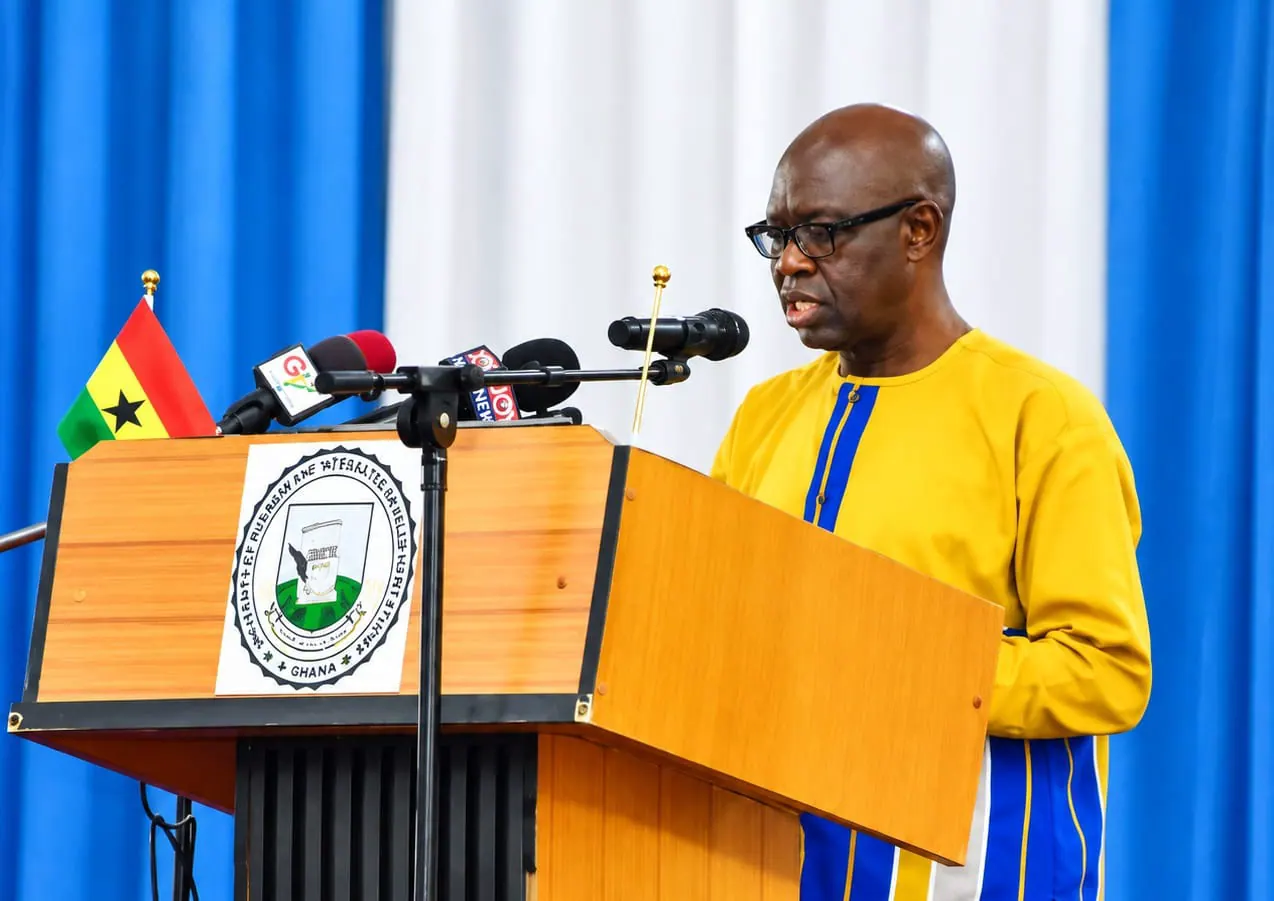
Professor Saa Dittoh of the University for Development Studies (UDS) has emphasized the need for researchers to ensure their work is relevant to national development priorities and addresses community problems. He made this call during the Sixth Research and Development Conference in Wa, organized by the University of Business and Integrated Development Studies (SDD-UBIDS). The conference focused on "Research for Policy: Strengthening Evidence-Informed Policymaking for Ghana's Development." Prof. Dittoh stressed that research must move beyond academic publications to influence policy planning and implementation.
Prof. Dittoh expressed concerns about the weak connection between research, policy, and implementation in Ghana. He noted that despite the recognized importance of research to development, a significant amount of it has failed to translate into tangible development outcomes. This is partly due to the lack of strong national and sectoral research agendas, dedicated funding, and accountability mechanisms for researchers. He emphasized that Ghana needs clear research priorities backed by dedicated funding, timelines, and expected deliverables.
The Professor highlighted the heavy reliance on donor-funded research as a challenge. He warned that this could influence the direction of research, particularly when donors determine the research areas. Prof. Dittoh urged the government to take a greater interest in funding research to ensure that research products reflect national priorities and inform policies and development. He also stressed the need for local authorities to take an active interest in research conducted within their jurisdictions.
Prof. Dittoh emphasized that researchers should not collect information from communities without ensuring that the communities and local authorities benefit from the knowledge generated. He urged universities, researchers, and policymakers to work together to ensure that research addresses real development challenges and contributes to improving the physical, social, and economic conditions of citizens. This collaboration is crucial for meaningful socioeconomic transformation in Ghana.
The Professor cautioned researchers against overreliance on artificial intelligence (AI) for their work, particularly when seeking information to address local research and development problems. He noted that AI systems depend heavily on large volumes of information available to them. The limited availability of locally generated and published research could make AI less useful for addressing Ghana-specific challenges.
Prof. Dittoh called for greater investment in local research and the publication of findings to increase the volume of locally generated knowledge available for future research and AI applications. He believes that this will enhance the relevance and impact of research in Ghana. The Professor's remarks underscore the need for a more strategic approach to research in Ghana.
The Sixth Research and Development Conference of the University of Business and Integrated Development Studies (SDD-UBIDS) aimed to strengthen evidence-informed policymaking for Ghana's development. The conference provided a platform for researchers, policymakers, and stakeholders to discuss the role of research in shaping effective policies and advancing Ghana's socioeconomic transformation. Key discussions centered on ensuring research relevance, addressing community problems, and fostering collaboration.
Key points
- Prof. Saa Dittoh calls for research to address community problems and influence policy planning in Ghana.
- The weak connection between research, policy, and implementation hampers research impact in Ghana.
- Donor-funded research may influence research direction, compromising national priorities.