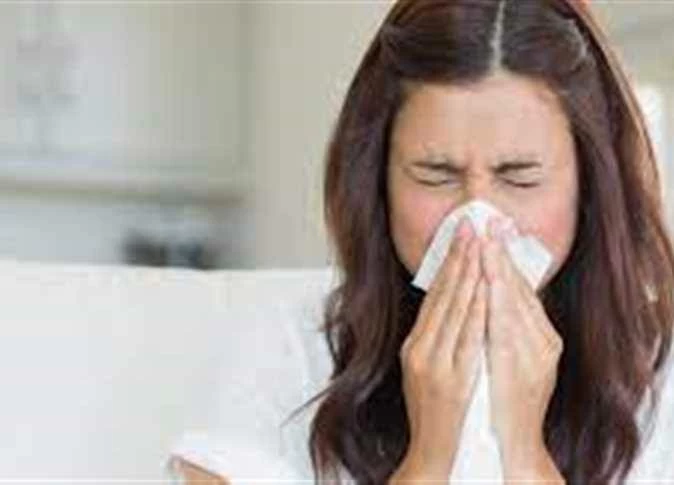
As the new academic year commences in Egypt, health experts are warning of the risks of viral and bacterial infections among students. Dr. Nehla Abdel Wahab, a professor of immunology and bacteriology at Cairo University, has identified the start of the academic year as a critical period for the spread of infections. She notes that during the summer break, children were confined to their homes, but as they return to school, they are exposed to a multitude of germs.
Dr. Abdel Wahab attributes the spread of infections to several factors, including the transition from summer to autumn, which brings about seasonal allergies. Additionally, she notes that many children do not eat breakfast before heading to school, which can weaken their immune system. As a result, she advises parents to ensure their children eat a nutritious breakfast and to prioritize ventilation in classrooms to minimize the risk of infection.
According to Dr. Abdel Wahab, the most common illnesses affecting children and students during this period are seasonal influenza. She recommends that parents consider vaccinating their children against influenza, especially if they are prone to illness. Furthermore, she warns that there are various respiratory viruses and bacteria that can infect the upper or lower respiratory tract, and that symptoms can be similar, making diagnosis challenging without laboratory tests.
Dr. Abdel Wahab stresses the importance of monitoring children's health, particularly their eyes, which she describes as a "mirror of the body." She advises parents to check their child's eyes before they leave for school, as a healthy eye is indicative of overall well-being. If symptoms such as runny nose or fever appear, she recommends that parents consult a school doctor.
The Egyptian Ministry of Health has reported an increase in respiratory infections among schoolchildren. Dr. Abdel Wahab's warnings come as the country prepares to implement new measures to combat the spread of infectious diseases in schools. The government has announced plans to improve ventilation in classrooms and provide health education to students and teachers.
Parents and educators are advised to take precautions to minimize the risk of infection, including promoting good hygiene practices, such as frequent handwashing, and encouraging children to cover their mouths and noses when coughing or sneezing. By taking these precautions, the risk of infection can be significantly reduced, and a healthy and safe learning environment can be maintained.
As the academic year progresses, health experts will continue to monitor the situation and provide guidance to parents, educators, and policymakers. Dr. Abdel Wahab's warnings serve as a timely reminder of the importance of prioritizing health and hygiene in schools to prevent the spread of infections and ensure a successful academic year.
Key points
- Dr. Nehla Abdel Wahab warns of the spread of viral and bacterial infections among students as the new academic year begins.
- The most common illnesses affecting children and students during this period are seasonal influenza.
- Parents and educators are advised to take precautions to minimize the risk of infection, including promoting good hygiene practices.