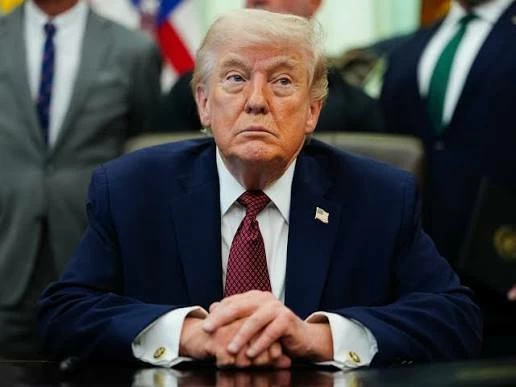
According to US officials, President Donald Trump has rejected a proposal by Iran to halt fire for 7 days and reopen the Strait of Hormuz. The proposal, put forth by Iranian Foreign Minister Abbas Araghchi, aimed to revive nuclear talks and reach a final agreement on Iran's nuclear program in exchange for the US lifting sanctions on Iranian ports. These sanctions have caused significant damage to the country's economy.
The Iranian proposal was presented to the US administration last week. It included a 7-day ceasefire and the reopening of the Strait of Hormuz, a vital waterway for global oil exports. In return, Iran sought the US to lift the sanctions imposed on its ports, which have severely impacted the country's economy. US officials, however, have expressed skepticism about Iran's intentions and believe that Tehran is unlikely to meet Trump's demands.
President Trump has informed his aides that he expects to resume airstrikes against Iran after the US midterm elections in November. This development comes amid heightened tensions between the US and Iran over the latter's nuclear program and its ballistic missile tests. The US has been critical of Iran's actions, viewing them as a threat to regional stability and global security.
The Wall Street Journal, citing US officials, reported that Trump is "skeptical" about Iran's willingness to meet his demands. The US president has been pressing Iran to curb its nuclear ambitions and cease its support for militant groups in the region. Iran, on the other hand, has insisted that its nuclear program is for peaceful purposes and that it will not be swayed by US pressure.
The rejection of the Iranian proposal has significant implications for the region. The Strait of Hormuz is a critical waterway, with around 20% of the world's oil exports passing through it. Any disruption to the strait could have far-reaching consequences for global energy markets. The US and Iran have been at odds over the strait's security, with the US imposing sanctions on Iranian shipping and oil exports.
The European Union has expressed concern over the escalating tensions between the US and Iran. The EU has been urging restraint and calling for a diplomatic solution to the crisis. However, with the US midterm elections approaching, it remains to be seen whether Trump will engage in further talks with Iran or maintain his current stance.
The situation remains fluid, with both sides dug in on their respective positions. The Iranian government has reiterated its commitment to its nuclear program, while the US has maintained its stance that Iran's nuclear ambitions pose a threat to regional and global security. The international community remains watchful, hoping for a peaceful resolution to the crisis.
Key points
- Trump rejects Iranian proposal for a 7-day ceasefire and reopening of the Strait of Hormuz.
- US sanctions on Iranian ports have caused significant damage to the country's economy.
- Tensions between the US and Iran have implications for global energy markets and regional stability.