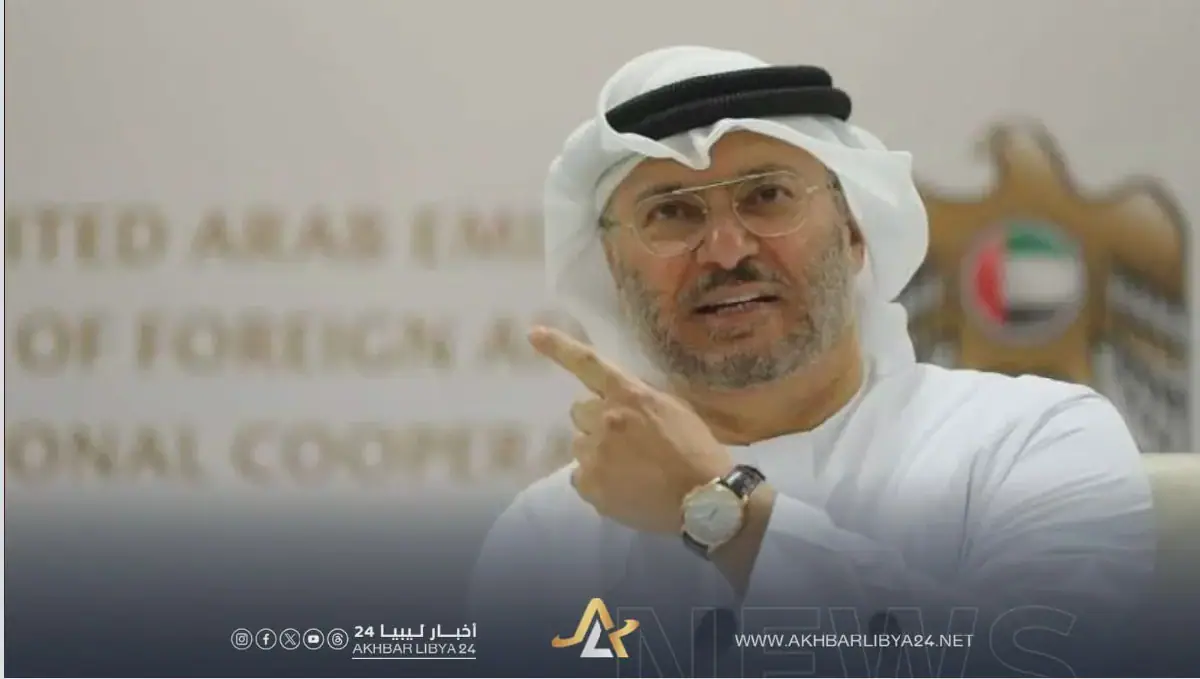
UAE diplomatic adviser Anwar Gargash has warned of a burgeoning geopolitical conflict with Iran that parallels the ongoing military war. This new struggle involves the use of media and financial tools to reshape regional influence and power balances. Gargash emphasized that the repercussions of this conflict are just as severe as those of direct military confrontations and affect not only the Gulf states but also the Arab world at large.
The conflict in question goes beyond the military fronts and involves a battle for influence and power using various tools, including media and finance. This shift in the nature of conflict means that the struggle for regional dominance is no longer confined to the battlefield but has expanded to include political, economic, and media influence. Gargash pointed out that the current situation in the region, where media and financial tools are being utilized, represents only the tip of the iceberg in a larger struggle for influence.
The use of media and financial tools in this conflict reflects the widening scope of regional competition and the transformation of influence tools into primary means of conflict over influence. This development makes the consequences of the confrontation more complex than simple military calculations. The battle for public opinion and economic interests has become part of the regional landscape, alongside military developments, placing regional states at multiple levels of challenges.
The divergence in positions among Gulf Cooperation Council (GCC) states and the absence of unified Gulf alignment regarding current transformations add to the complexity of the situation. Gargash stressed that the current stage requires strategic awareness and a deeper understanding of common interests and risks, highlighting the importance of GCC coordination in dealing with the transformations in the region. This coordination is crucial to prevent the reflection of differences in positions on the ability of GCC states to protect their interests.
These statements by Gargash come at a time when the region is witnessing a complex interplay of military confrontations and political and economic influence calculations. The repercussions of wars extend beyond the directly involved states to their geographical surroundings through the impact on strategic interests, alliances, and regional balances. For Gulf states, these developments are of particular importance, given the connection of their security and stability to the surrounding transformations.
The transformations in the region have significant implications for the Gulf states, given the intertwining of their political and economic interests with the paths of conflict in the region. In light of the multiplicity of influence tools and the divergence of regional calculations, the issue of Gulf coordination stands out as one of the main challenges in dealing with the coming stage. This is especially true with the widening scope of competition for influence and the intersection of military, political, economic, and media files.
Gargash's statements reflect a UAE reading of the regional scene that goes beyond the limits of direct war with Iran and is linked to a broader conflict over the shape of the region and the balance of power therein. The nature of Gulf positions and the extent of their convergence remain an influential factor in dealing with these transformations. The region is at a critical juncture, and the path forward will likely be shaped by the ability of regional states to navigate these complex challenges.
Key points
- UAE diplomatic adviser Anwar Gargash warns of a growing geopolitical conflict with Iran that goes beyond military conflict.
- The conflict involves the use of media and financial tools to reshape regional influence and power balances.
- The divergence in positions among GCC states adds to the complexity of the situation.