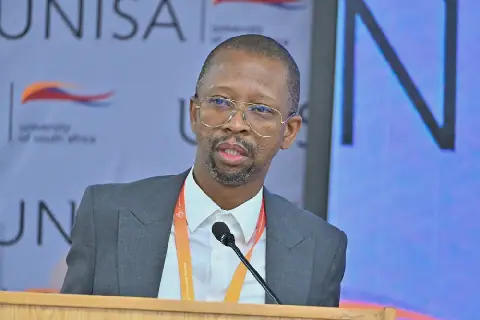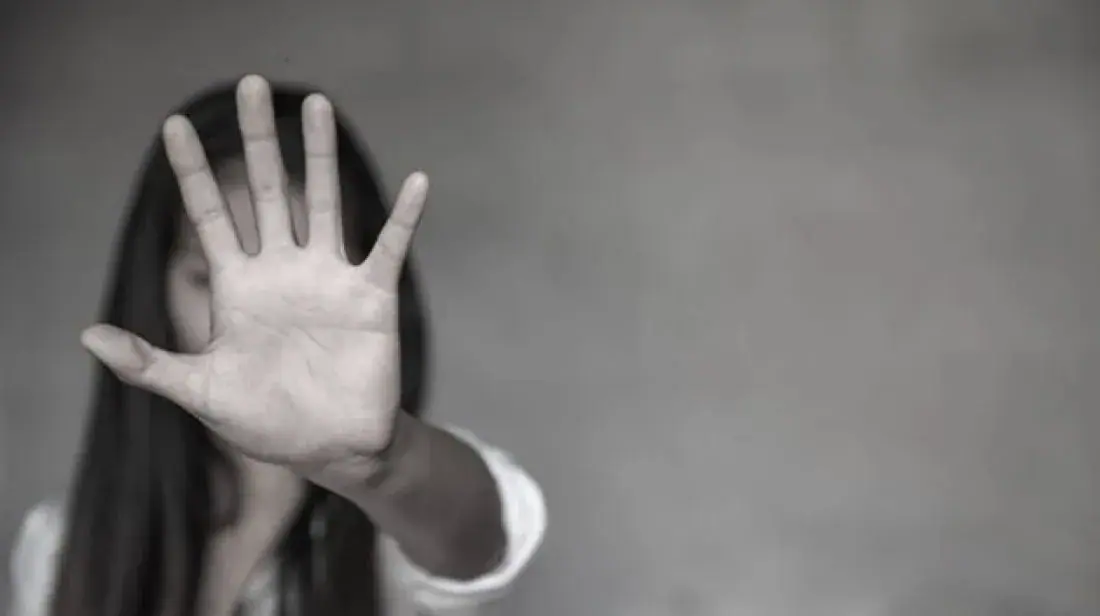
On November 3, 2026, Riadha Jarbei, head of the Tunisian National Women's Union and deputy head of the International Council of Women, expressed deep concern over the rising and diversified forms of violence against women in Tunisia. She emphasized that this phenomenon has evolved beyond traditional forms of violence, necessitating immediate and decisive intervention. Jarbei's statements were made during a phone interview on the radio program "Sabah Al-Ward" on Jawhara FM.
According to Jarbei, the current situation reflects a profound societal crisis closely linked to the spread of poverty, particularly among women who face significant economic and living difficulties. These challenges make them vulnerable to pressures that perpetuate violent marital relationships. She criticized the trend of dropping charges and abandoning the pursuit of perpetrators for social or financial reasons, highlighting the need for a more robust response to protect victims.
Jarbei stressed the importance of intensifying national efforts and activating the role of the state and civil society in combating violence against women. She called for a firm stance against all organized hate speech and campaigns that perpetuate violence against women. Furthermore, she advocated for the provision of real protection mechanisms to ensure women's dignity and safety, underscoring the urgency of the situation.
The Tunisian National Women's Union, under Jarbei's leadership, is pushing for comprehensive strategies to address violence against women. This includes advocating for legal and social reforms that protect women's rights and enhance their security. The organization also seeks to raise awareness about the various forms of violence women face and to promote a culture of respect and equality.
Jarbei's appeal for urgent action comes at a time when Tunisia is grappling with multiple social and economic challenges. The country's efforts to improve women's rights and reduce violence against them are part of broader initiatives to address these underlying issues. The situation highlights the need for coordinated efforts between governmental and non-governmental sectors to create lasting change.
The issue of violence against women in Tunisia has garnered significant attention in recent years, with various stakeholders calling for stronger protections and support for victims. Jarbei's statements reflect a broader consensus on the need for immediate and effective measures to combat this problem. The Tunisian government and civil society are expected to play crucial roles in implementing strategies to address violence against women.
As Tunisia continues to navigate its social and economic challenges, the call for action against violence against women remains a priority. With leaders like Riadha Jarbei at the forefront, advocating for change, there is hope for a future where women in Tunisia can live free from violence and enjoy equal rights and opportunities.
Key points
- Riadha Jarbei calls for urgent action against escalating and diversified forms of violence against women in Tunisia.
- The situation reflects a deep societal crisis linked to poverty and economic difficulties faced by women.
- Jarbei advocates for intensified national efforts, state and civil society involvement, and real protection mechanisms for women's dignity and safety.