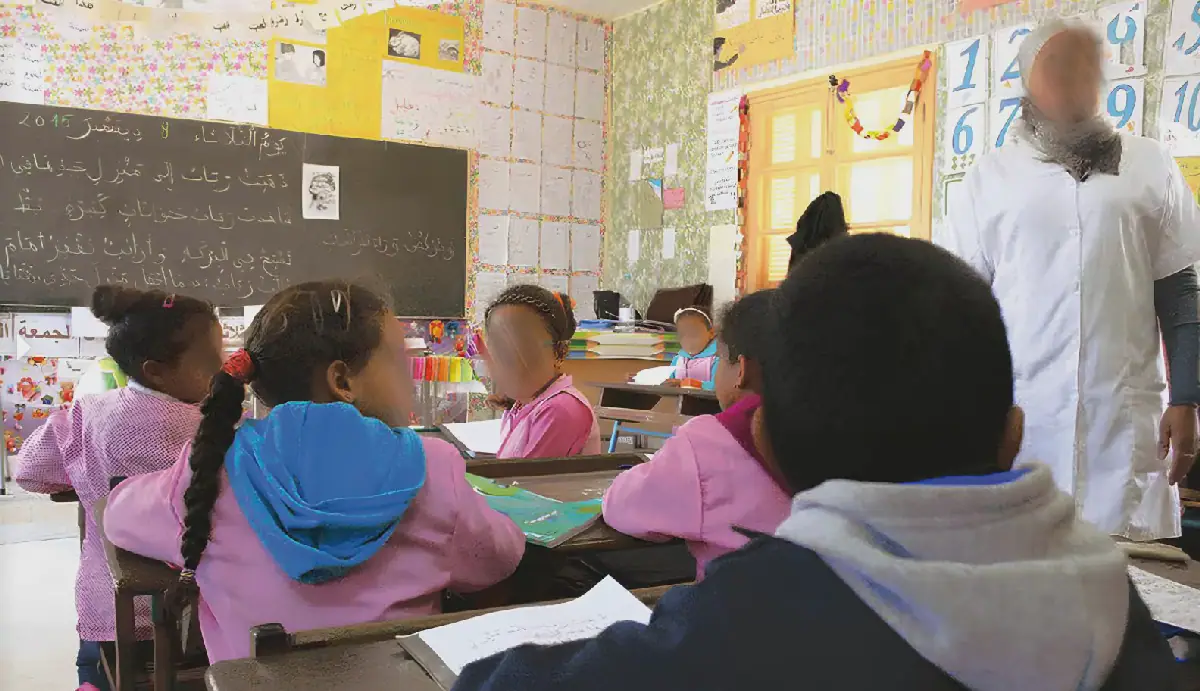
In Tunisia, primary school students will undergo oral and practical evaluations from November 2 to 21. According to Riadh Madhi, the inspector general of primary schools, these evaluations, which include subjects such as music, physical education, and arts, require more time as each student is assessed individually. Madhi appeared on the radio show "Echari Ettounsi" on Express FM to discuss the evaluation process and expectations for families.
The evaluations will cover various subjects, including oral communication, recitation, reading aloud, technological education, and part of Islamic education. Madhi emphasized that these subjects require more time than others, with each student being evaluated individually. He also highlighted the importance of recitation as a fundamental learning tool, which helps students develop their sensitivity, taste, and vocabulary.
Recitation has been a core part of the Tunisian primary school curriculum, with the Ministry of Education allocating a specific time slot for it in 2014. Students in first to fourth grades have 30 minutes of recitation per week, while those in fifth and sixth grades have 20 minutes. Madhi noted that the ministry has set specific criteria for selecting texts for recitation, which should be related to the topics studied, easy to memorize, and of simple meaning.
The length of the texts for recitation is also regulated, with a maximum of 8 verses for first and second grades, 12 verses for third and fourth grades, and 15 verses for fifth and sixth grades. Madhi advised parents not to pressure their children during the preparation of these evaluations, as students have already practiced these subjects in class since the beginning of the year.
Madhi identified one of the main mistakes parents make as putting pressure on their children during the preparation of these evaluations. He emphasized that the 5 points awarded for recitation are not related to the student's notebook or illustrations, but rather to their pronunciation, diction, and expressive reading. Parents are encouraged to focus on the actual evaluation criteria.
For reading aloud, Madhi recommended that parents prioritize correct pronunciation, intonation, and fluency. He also urged parents not to compare their children to others, stressing that a student's ranking does not necessarily reflect their overall abilities. The inspector general emphasized that every student has their strengths and weaknesses.
Madhi concluded by advising parents to support their children and focus on their individual progress, rather than comparing them to their peers. By doing so, parents can help their children develop a positive attitude towards learning and build their confidence. The evaluations will take place from November 2 to 21, and parents are encouraged to work with their children to prepare them for this important assessment.
Key points
- Tunisian primary school inspector Riadh Madhi advises parents not to compare their children during oral and practical evaluations from November 2-21.