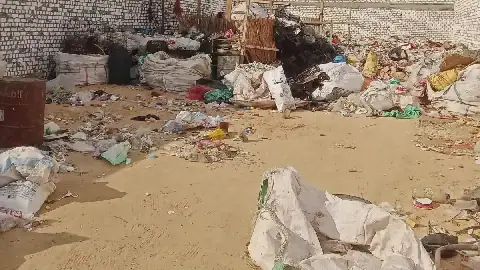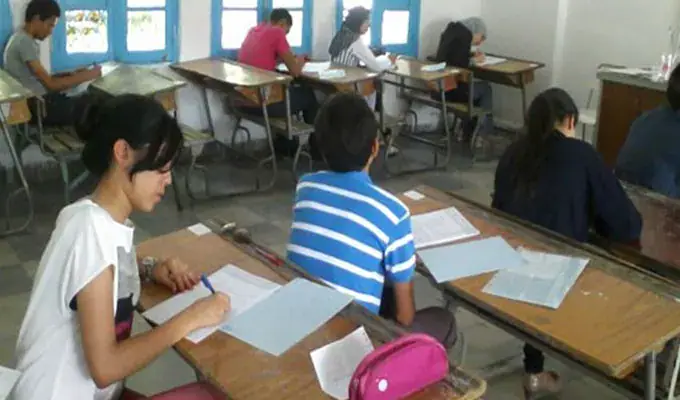
Tunisian parliamentarians recently discussed the state of the country's educational system, highlighting the need to improve school services and support for students. They emphasized the importance of developing educational institutions, improving their infrastructure, and providing basic services to create an environment conducive to learning and creativity. The lawmakers also pointed out that some schools require urgent maintenance, renovation, and equipment to provide a suitable learning environment.
The parliamentarians expressed concern about the situation in several schools, particularly in rural areas, where students lack access to basic services such as school meals. One lawmaker from Sidi Bouzid governorate noted that 269 primary schools in his region do not provide school meals, calling for better regional and local coordination to ensure that resources are allocated efficiently. They also stressed the need to provide necessary human resources to monitor these services and ensure that they reach those who need them.
The lawmakers also emphasized the importance of supporting students and providing basic services within educational institutions to promote equal learning opportunities. They highlighted the role of schools as spaces for education, upbringing, and protection, as well as developing students' abilities and talents. Furthermore, they acknowledged the pivotal role of teachers in the educational system and the need to enhance their professional experience and provide opportunities for continuous training.
The parliamentarians discussed several challenges faced by teachers, including work pressure, multiple responsibilities, delayed promotions, and low salaries. They called for a review of the situations of teachers who suffer from health problems that require adjustments to their working conditions. They also requested a revision of medical committee procedures to ensure that teachers' rights are protected and their profession is taken into account.
Additionally, the lawmakers emphasized the need for psychological and social support for teachers and their families. They suggested investigating the causes of suicide cases among some education sector workers and developing prevention, accompaniment, and support mechanisms. They also renewed calls for resolving outstanding professional cases, particularly the status of applied education guides and teachers who were appointed before 2006 and 2008.
The parliamentarians stressed the importance of providing a safe and supportive learning environment, which is essential for students' academic success and well-being. They noted that the education sector faces several challenges, including a shortage of resources, infrastructure, and qualified teachers. To address these challenges, the lawmakers called for increased investment in the education sector and a comprehensive reform of the education system.
The discussion concluded with a renewed commitment to improving the education sector in Tunisia. The parliamentarians agreed that a well-functioning education system is essential for the country's development and future. They pledged to work together to address the challenges facing the sector and to ensure that all students have access to quality education.
Key points
- Tunisian lawmakers stress the need to improve school services and support for students to promote equal learning opportunities.