In a recent ruling, Judge Wesseh Alphonsus Wesseh Sr. of Liberia's Criminal Court "E" has ordered the Ministry of Gender, Children and Social Protection to pay the school fees of a 14-year-old rape survivor by November 30. The girl was raped and impregnated by a man who lived in her yard in October 2024. Despite the perpetrator's conviction and sentencing to five years in prison, the survivor's education has been put on hold.
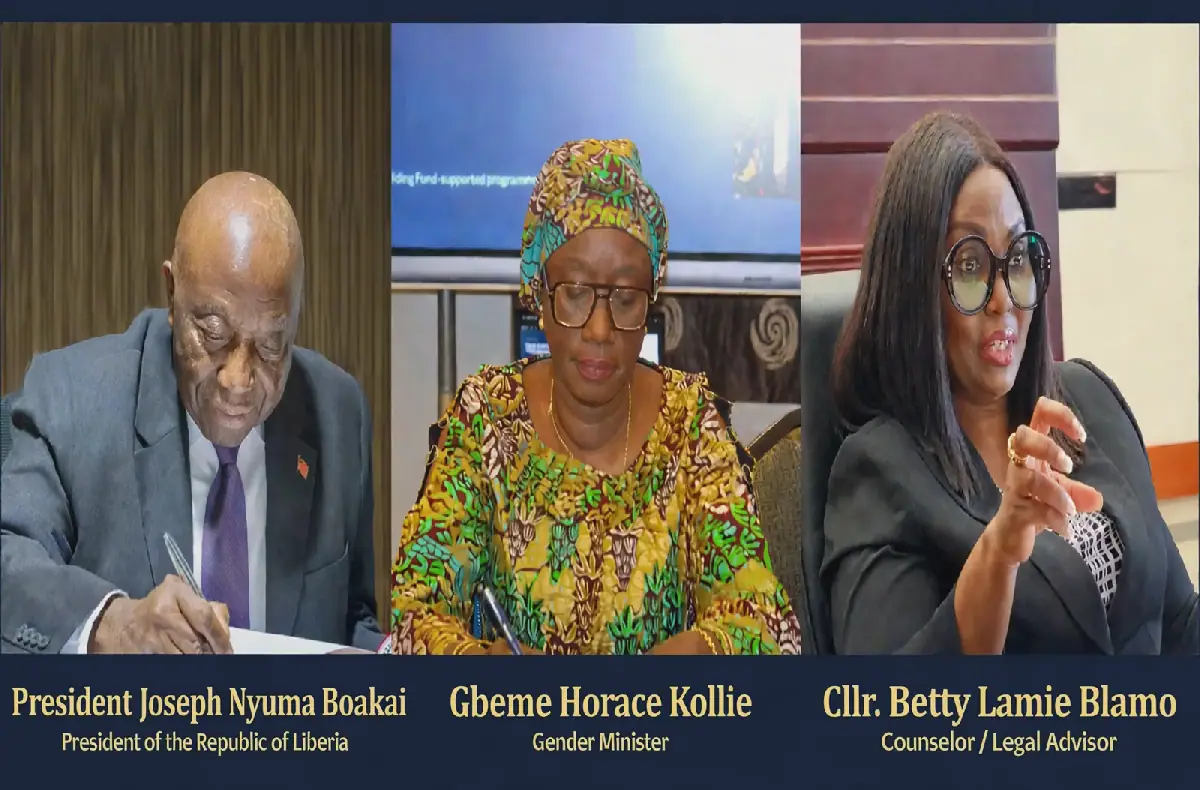
The court's directive came after a conference between the judge and government officials, including Acting Minister of Justice and Attorney General Betty M. Lamin-Blamo and Gender Minister Gbeme Horace-Kollie. The officials were summoned to explain the government's support for the survivor and her child. The Gender Ministry had requested a postponement until the 2027 budget year, but Judge Wesseh refused, emphasizing the urgency of the girl's education.
The case began in October 2024 when Victor Eze, then 35, sexually assaulted the 14-year-old girl in Jallah's Town, Montserrado County. Eze was arrested, charged with statutory rape, and sentenced to five years in prison. Although the court noted some support from the Ministry of Justice and the Gender Ministry, including a small cash payment and seed money for a small business, it appears that these efforts have not covered the survivor's schooling.
The judge's ruling puts pressure on President Joseph Nyuma Boakai's government to demonstrate its commitment to protecting vulnerable children. The administration has pledged to fight violence against women and children, and this case will test its resolve. Liberia has a long-standing problem with sexual violence, and many victims are children. In 2020, then-President George Manneh Weah declared rape a national emergency.
The court's order requires the Gender Ministry to file payment receipts with the clerk of Criminal Court "E" to prove compliance. If the ministry misses the deadline, it may face contempt proceedings, and Minister Horace-Kollie could face further action. This contempt warning turns a routine dispute over government spending into a possible clash between the judiciary and the executive.
The survivor's situation highlights the challenges faced by victims of sexual violence in Liberia. Despite the conviction of the perpetrator, the survivor's life has been significantly impacted, and her education has been disrupted. The government's response will be crucial in determining whether it can provide adequate support to victims and their families.
The case raises important questions about the government's responsibility to protect and support victims of sexual violence. The Ministry of Gender, Children and Social Protection has a legal mandate to promote the welfare of women, children, and vulnerable people. Ultimately, the government's actions will be scrutinized to ensure that it prioritizes the well-being and dignity of victims like the 14-year-old rape survivor.
Key points
- The Liberian government must pay the school fees of a 14-year-old rape survivor by November 30, as ordered by Judge Wesseh Alphonsus Wesseh Sr.
- The case highlights the challenges faced by victims of sexual violence in Liberia and the need for adequate government support.
- The government's response will test its commitment to protecting vulnerable children and fighting violence against women and children.