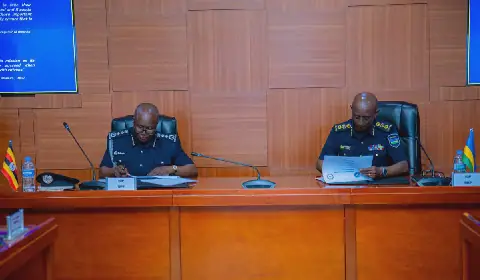
The Ismailia Governorate's Environmental Affairs Administration and Integrated Waste Management Unit conducted inspection campaigns in the Ismailia and El-Tel El-Kebir areas, in coordination with the Egyptian authorities. These campaigns aimed to monitor and regulate environmental practices in the region. The efforts were led by Colonel Mohamed Habib, head of the Water Surfaces and Environment Police, and involved relevant agencies.
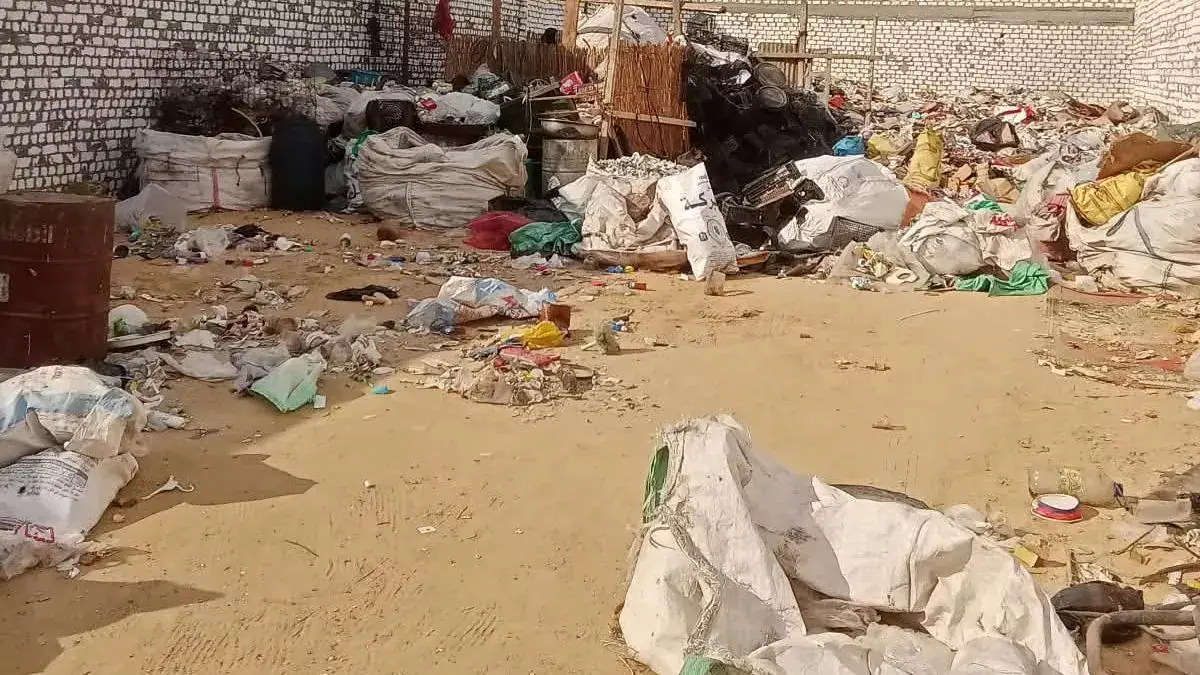
The campaigns resulted in 14 varied environmental violation reports. These included two reports of excavating waste, three for waste sorting and collection facilities operating without licenses, and three for raising livestock without a license or environmental approval. Additionally, three reports were filed for disposing of waste in unauthorized areas and not safely eliminating waste, involving a carpentry workshop and a fish storage refrigerator in Nefisha village.
Further violations were uncovered, including a report against a peanut mill for lacking necessary environmental licenses and approvals. A bakery and confectionery were also reported for operating without the required environmental permits. Moreover, a case of dumping poultry waste into fish farms and using it as fish feed in El-Tel El-Kebir's Green Island area was documented. This practice poses significant risks to public health and food safety.
The campaigns also targeted fish farms, revealing severe violations. The use of harmful waste as feed for fish is a critical issue that authorities are addressing. Mrowa El-Khouly, Director of the Environmental Affairs Administration and Integrated Waste Management Unit, emphasized that inspection campaigns will continue regularly and intensively across the governorate. This effort aims to decisively combat all forms of environmental violations.
El-Khouly stated that they will not tolerate activities that do not comply with environmental regulations and licensing requirements. The Ismailia Governorate prioritizes environmental protection, public health, and improving waste management systems. These actions align with the state's directions toward sustainable development, ensuring a clean and safe environment for the residents of Ismailia.
The campaigns reflect the ongoing commitment of local authorities to monitor and regulate environmental practices. By collaborating with relevant agencies, including the Water Surfaces and Environment Police, the governorate aims to maintain high environmental standards. This proactive approach helps mitigate risks associated with environmental violations and promotes sustainable practices.
Key efforts include targeting illegal waste disposal and unlicensed activities. The authorities' resolve to address these issues underscores the importance of environmental stewardship. As these campaigns continue, they are expected to contribute significantly to preserving public health and the environment in Ismailia.
Key points
- 14 environmental violation reports were filed during the campaigns in Ismailia and El-Tel El-Kebir.
- The violations included unlicensed waste management, improper waste disposal, and harmful practices in fish farms.
- The Ismailia Governorate vows to continue its environmental inspection campaigns to protect public health and the environment.