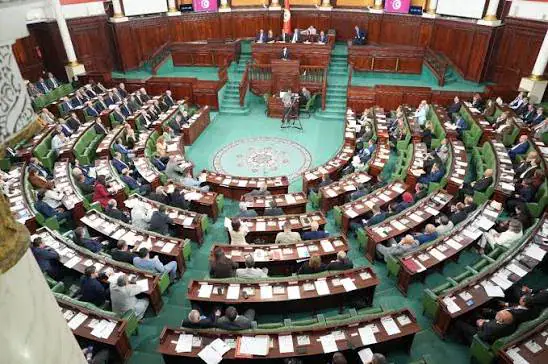
The Tunisian parliament recently discussed the 2027 education budget, with lawmakers highlighting several key issues. These included providing a suitable administrative framework for educational institutions, ensuring continuity of school transportation services, and establishing new educational institutions to meet population needs. The session, held at the Bardo Palace, saw MPs express concerns over the lack of directors in some schools, such as the model preparatory school in Banzert, which remains without a director.
MPs also raised concerns about the disruption of school transportation services due to non-payment of financial dues to transporters, affecting students' attendance and regularity. They stressed the need to find solutions to this situation and settle outstanding dues to ensure continuity of these services. Additionally, lawmakers called for accelerating the completion of stalled educational projects, including the construction of a school complex in Sajnane, Banzert governorate.
The discussion also touched on the governance of the education sector and oversight of private education institutions. MPs inquired about the mechanisms the Ministry of Education would use to deal with studies and recommendations from the Higher Council for Education and Training. They questioned the extent of the Council's powers in guiding decisions and choices related to the sector. Furthermore, lawmakers called for increased oversight of private educational institutions and monitoring of their compliance with regulations.
MPs also emphasized the need for better organization and monitoring of private lessons. They sought clarification on the role of the Higher Council, whether it was limited to providing opinions and proposals or had a more extensive role in shaping the education sector. The discussion highlighted the importance of addressing these issues to improve the quality of education in Tunisia.
On the financial side, lawmakers noted that rental expenses accounted for the largest share of the Ministry's budget, while investment allocations were limited. They argued that the scale of challenges facing the sector required providing necessary resources to implement programs and improve the performance of educational institutions. MPs called for a proactive approach to maintaining educational institutions, focusing on regular monitoring and early intervention to prevent problems.
The discussion also highlighted the need for effective management of resources and better allocation of funds. Lawmakers stressed that the current situation required a more efficient use of resources to address the challenges facing the education sector. They emphasized the importance of finding solutions to these problems to ensure the continuity and quality of educational services.
The Tunisian parliament's discussion of the 2027 education budget reflects the country's efforts to address the challenges facing its education sector. The session highlighted the need for better governance, oversight, and management of resources to improve the quality of education. Lawmakers' calls for increased transparency and accountability reflect the importance of reforming the education sector to meet the needs of Tunisian students.
Key points
- Tunisian lawmakers call for better governance and oversight in the education sector
- MPs emphasize the need for increased transparency and accountability in the education sector
- The discussion highlights the importance of addressing challenges facing the education sector to improve the quality of education in Tunisia
Reporting sources
- Radio Jeunes · Radio Jeunes