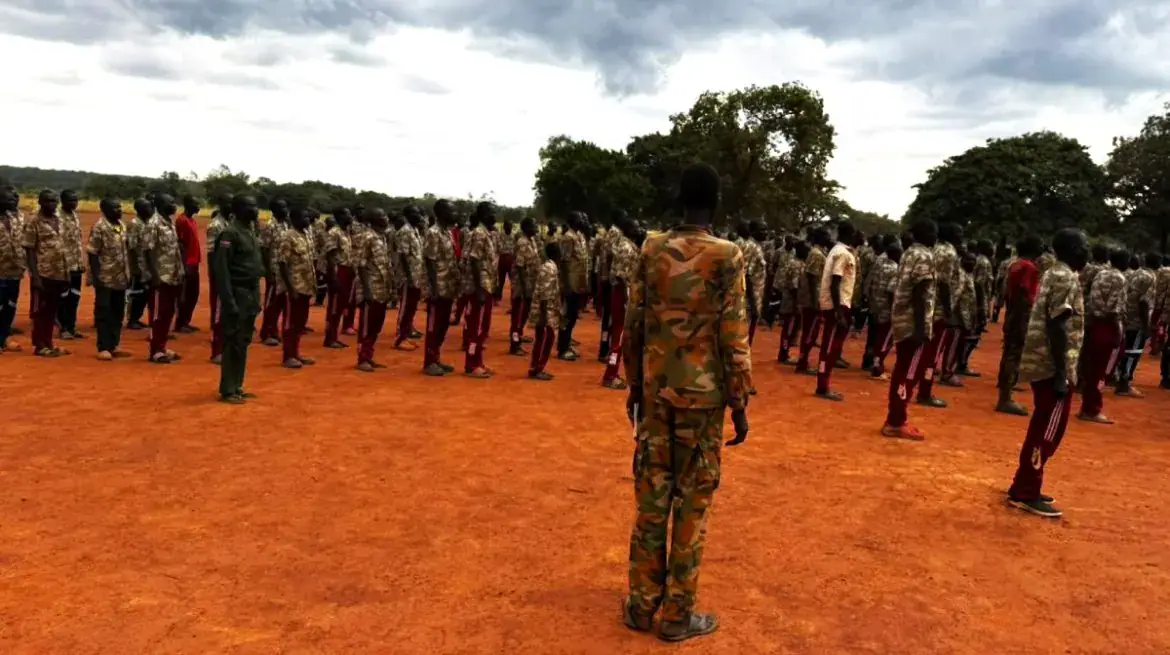
A recent screening exercise supported by the United Nations Mission in South Sudan identified 54 children among police recruits in the country. The exercise, conducted across Greater Bahr El Ghazal, aimed to prevent child recruitment and protect children from armed conflict. Marko, a 13-year-old boy, was among those identified and removed from the National Police Service recruitment process. He had joined the training to earn money and protect his community from armed raiders.
The screening exercise was a collaborative effort between the South Sudan Disarmament, Demobilization and Reintegration Commission, United Nations Mission in South Sudan Child Protection, and United Nations Police. The goal was to strengthen age verification and prevent child recruitment. Oluku Andrew, National Coordinator for the Release of Children Associated with Armed Forces and Groups, explained that the process involves verifying the age of recruits and removing those found to be underage.
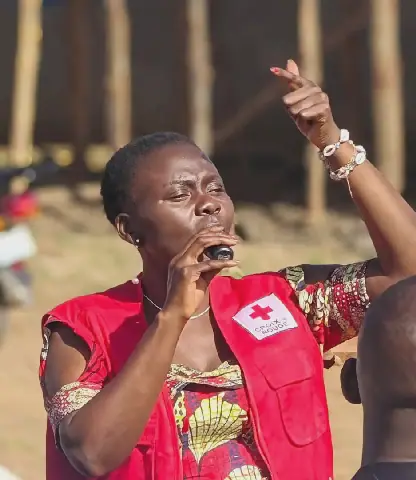
For some children, removal from the recruitment process marked the start of a longer protection process. In Kuajok, seven children received initial assessments to identify their needs and guide referrals, family reintegration, and follow-up support. Awareness sessions on child protection and preventing underage recruitment reached 7,351 participants, particularly newly recruited police personnel. These efforts aim to prevent the six grave violations against children in armed conflict.
Erasmus Migyikra, UNMISS Child Protection Officer, expressed shock at seeing children as young as six to eight years old being trained as police officers. He stressed that preventing recruitment also requires understanding why children are drawn to armed groups, citing protection and economic opportunities as common reasons. The findings prompted further engagement with senior police leadership, reaffirming the National Police Service's commitment to preventing child recruitment.
The initiative supports South Sudan's Comprehensive Action Plan to end and prevent grave violations against children in armed conflict. The plan involves conducting screening, training, and awareness-raising within security institutions. However, for children like Marko, protection must go beyond preventing recruitment, including access to education, support for their families, and safer communities.
Marko's story reflects a troubling reality where children may view armed institutions as sources of protection and survival due to insecurity and scarce opportunities. His case highlights the need for a comprehensive approach to child protection, addressing the root causes of child recruitment. The UN-supported screening exercise is a step towards preventing child recruitment and protecting children's rights.
The removal of underage recruits from the police force is a positive step towards preventing child recruitment. However, more work needs to be done to address the underlying issues driving child recruitment. The collaboration between the South Sudan government and the UN aims to create a safer and more protective environment for children, ensuring they do not have to carry a weapon to feel safe or support their families.
Key points
- 54 children were identified and removed from the National Police Service recruitment process in South Sudan.
- The screening exercise was supported by the United Nations Mission in South Sudan and aimed to prevent child recruitment.
- The initiative supports South Sudan's Comprehensive Action Plan to end and prevent grave violations against children in armed conflict.
Reporting sources
- Baby Cops? Nearly 55 children recruited to join the police force in South Sudan · The Tanzania Times – News from Tanzania, Africa, World, Breaking News, Weather, Environment and Climate Change