Russia has officially declined to allow European representatives to participate in peace talks with Ukraine, despite efforts by European countries to gain access to the negotiations. According to Yury Ushakov, economic advisor to Russian President Vladimir Putin, Moscow is unaware of any concrete proposals from Europe that could help end the conflict. The European team, comprising representatives from the European Council, European Commission, and five countries - Germany, France, Italy, Poland, and the UK - has been announced.
The Kremlin views European countries as co-belligerents rather than mediators, justifying their exclusion from talks. This stance is rooted in the significant financial and military support provided by Europe to Ukraine. The European Union has approved a new loan of 45 billion euros to Ukraine and has implemented the 22nd package of sanctions against Russia. European countries, aligned with Ukraine and the UK, have consistently pushed for their inclusion in negotiations, but Russia remains skeptical about their role.
European diplomacy chief Kaja Kallas has insisted that Russia must accept a ceasefire and remove territorial issues from the agenda before negotiations can begin. The European Union has also emphasized the need for a guarantee of security for Ukraine as part of any new European-Asian security architecture. However, Russia sees this as an attempt to undermine its interests and has rejected European proposals.
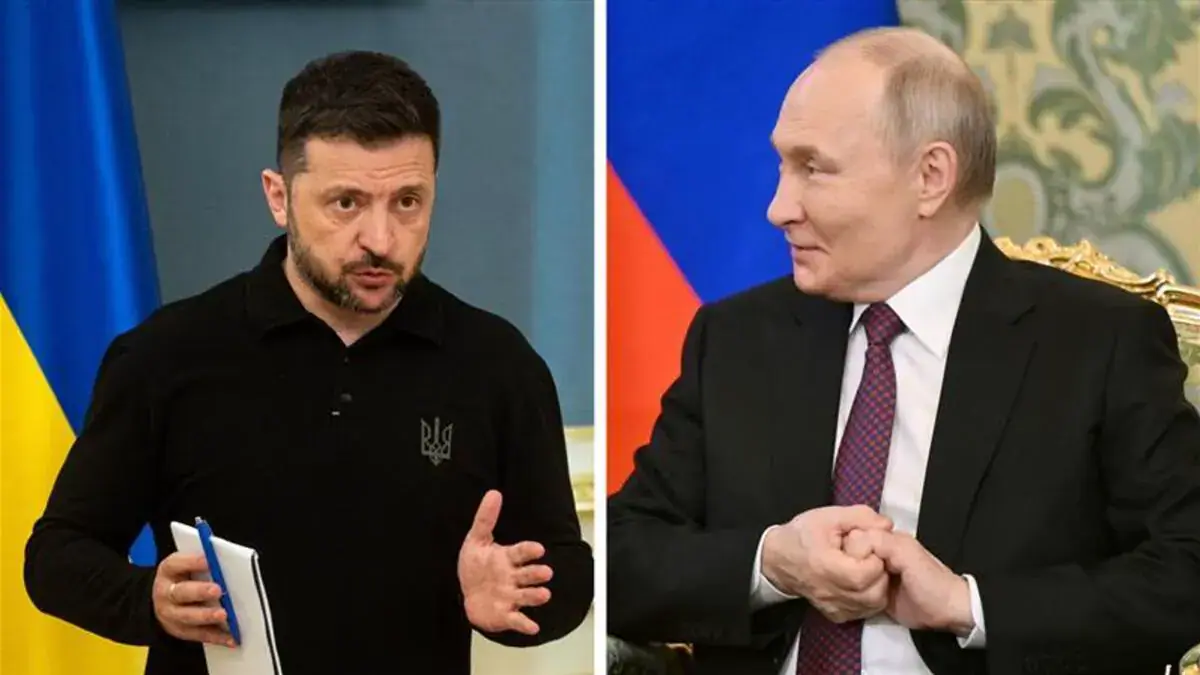
Despite Russia's reservations, European Council President António Costa has stated that the European delegation will participate in the next round of peace talks. Ukraine's President Volodymyr Zelensky has expressed hope that European allies will be present in the negotiations, but Russia has signaled that it will maintain its current stance. According to Russian Foreign Minister Sergei Lavrov, the United States has a more nuanced understanding of Russia's interests, while European countries are focused on excluding these interests from the negotiating table.
The conflict between Russia and Ukraine has resulted in significant human suffering and economic losses. Russia's invasion of Ukraine in February 2022 has led to a severe deterioration in relations between Russia and the West. The international community has called for a peaceful resolution to the conflict, but negotiations have been challenging due to the entrenched positions of both sides.
The Ukrainian government has insisted on the withdrawal of Russian troops from occupied territories, non-cession of any Ukrainian territory, and the presence of European forces as a buffer against potential Russian aggression. In contrast, Russia seeks to ensure a global security solution involving the US for the Euro-Asian region, maintain Ukraine's neutrality, and secure recognition of its interests.
The next round of negotiations is expected to take place soon, but a breakthrough remains uncertain. The involvement of international mediators, including the US, may be crucial in bridging the gap between Russian and Ukrainian positions. Ultimately, a peaceful resolution to the conflict will require compromise and a willingness from both sides to address their differences.
Key points
- Russia's exclusion of European representatives from Ukraine peace talks is rooted in its perception of Europe as a co-belligerent rather than a mediator.
- European countries have pushed for their inclusion in negotiations, citing their significant financial and military support for Ukraine.
- A peaceful resolution to the conflict will require compromise and a willingness from both Russia and Ukraine to address their differences.
Reporting sources
- Rússia/Ucrânia: Moscovo mantém europeus fora da sala... · novojornal.co.ao