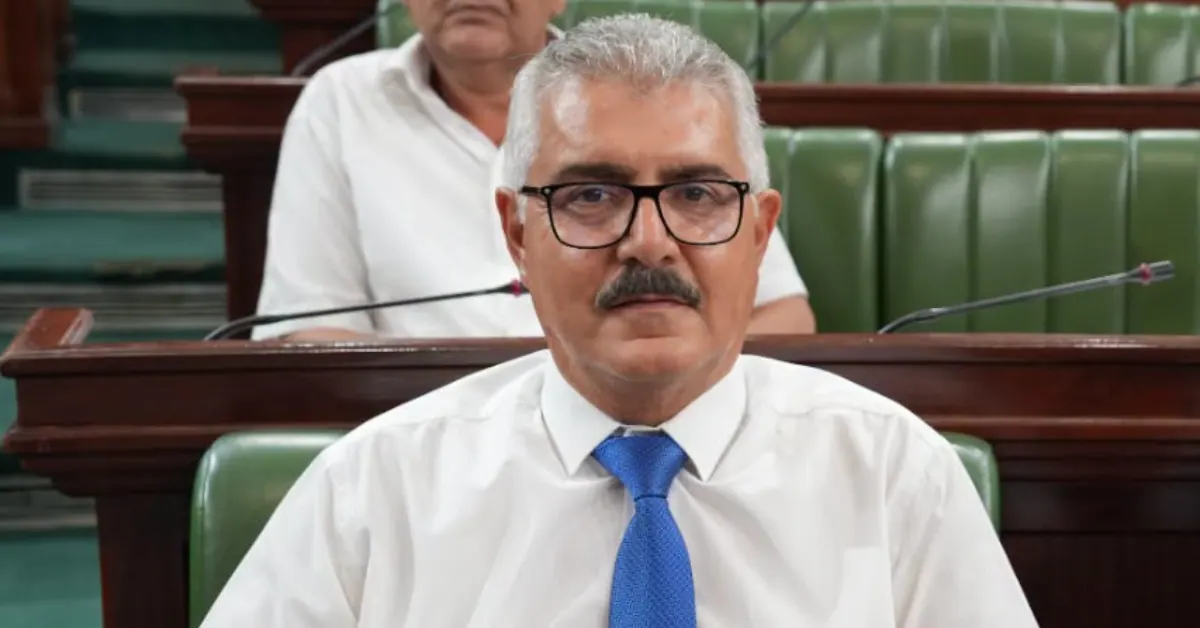
The chair of the administration, development, digitalization, and anti-corruption committee in Tunisia's parliament, Sami Al-Rais, stated that the recent decree on municipal councils has severed ties with the free administration introduced by the 2018 local government code. According to Al-Rais, the decree, issued on October 1, 2026, has reintroduced a system similar to the 1975 municipal law, where many decisions require approval from the governor and salaries for municipal officials are set by the interior ministry.
Al-Rais expressed disappointment that the executive branch did not submit the bill to parliament for review and consultation with various stakeholders, including civil society, experts, and municipal representatives. He noted that the committee had been ready to examine the bill since the beginning of the year but was not given the opportunity. Instead, the decree was issued without thorough discussion or input from parliament.
The committee chair emphasized that parliamentarians are open to legislation and have submitted 36 proposals to establish new municipalities as of June 2026. Al-Rais argued that many areas have large populations and require more substantial representation than just municipal offices, highlighting the need for effective local governance.
Al-Rais drew comparisons between the new decree and the 1975 municipal law, citing similarities in oversight and decision-making processes. Under the new decree, many decisions made by municipal councils will require approval from the governor, and salaries for municipal officials will be set by the interior ministry, limiting the autonomy of local governments.
The new decree has sparked concerns about the centralization of power and the limitations on local governance in Tunisia. Al-Rais and other critics argue that this move undermines the principles of decentralization and democratic participation introduced by the 2018 local government code.
Despite these concerns, Al-Rais reiterated that parliamentarians are committed to working on legislation that promotes good governance and effective local administration. He emphasized that their goal is to ensure that the needs and expectations of citizens are met, and that the current system is not sufficient to achieve this objective.
The Tunisian parliament's administration committee will continue to work on proposals to establish new municipalities and improve local governance. Al-Rais stressed that the committee is open to collaboration and consultation with various stakeholders to ensure that the needs of citizens are addressed and that the country's democratic transition is strengthened.
Key points
- The new municipal decree in Tunisia has reintroduced a system of restrictive decision-making, similar to the 1975 municipal law.
- The decree requires many decisions to be approved by the governor and sets salaries for municipal officials, limiting local autonomy.
- Parliamentarians have submitted 36 proposals to establish new municipalities, highlighting the need for effective local governance.