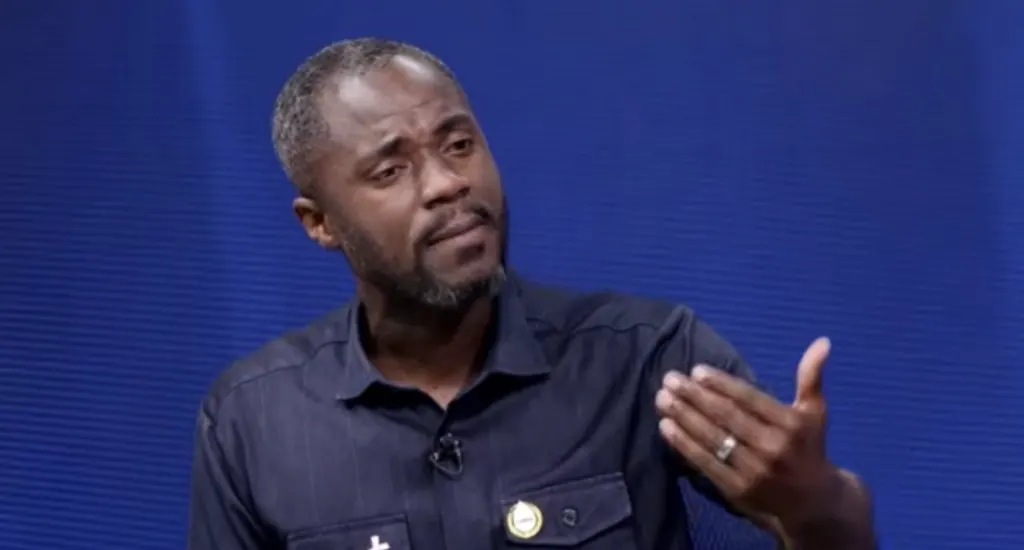
The Chamber of Oil Marketing Companies (COMAC) in Ghana is pushing for a freeze on fuel taxes and levies, as well as a share of the country's unexpected crude oil revenue gains to support the downstream petroleum sector. According to COMAC CEO, Dr Riverson Oppong, the current situation is squeezing fuel marketers while putting pressure on the national budget. He argued that a temporary freeze on taxes and levies imposed on petroleum products would offer a more sustainable way to cushion both consumers and businesses.
Dr Oppong made it clear that the proposed tax freeze is separate from the Uniform Pricing Policy Fund, which aims to ensure that fuel costs the same across Ghana. He emphasized that the fund is not a source of lost government revenue, but rather a mechanism to guarantee uniform pricing. The real financial strain on government, according to Dr Oppong, comes from taxes and levies rather than the equalization fund itself. He renewed his call for at least a cedi's worth of fuel taxes to be frozen, while acknowledging that government's existing interventions were welcome.
Beyond taxes, Dr Oppong made a case for tapping into Ghana's crude oil revenue windfall. He stated that government's actual earnings from crude oil appear to be outperforming projections set out in the national budget, creating room to divert some of the gain to the downstream sector. According to Dr Oppong, Ghana is "over-recovering" on crude oil revenue, and regardless of falling production volumes, the country's crude oil revenue figures are beating earlier Finance Ministry estimates.
Dr Oppong proposed that government open a dialogue with industry stakeholders to quantify the gap between projected and actual oil revenue and consider channeling a portion of that surplus to fuel marketers. He illustrated the point by suggesting government examine a scenario where it had projected $100 million in oil revenue but actually earned $120 million, and then ask whether the extra $20 million could be used to cushion the downstream sector.
The current imbalance between the upstream and downstream sectors of the petroleum value chain is a major concern, according to Dr Oppong. While the upstream sector, including the Petroleum Commission and GNPC, is benefiting from incremental revenue, the downstream side, represented by the National Petroleum Authority (NPA) and oil marketing companies, is struggling. This latest push follows Dr Oppong's earlier call for full fuel price deregulation, made against the backdrop of Star Oil's return to COMAC after a nine-month walkout.
The outcome of this push could determine whether pump prices, particularly for diesel, remain subsidized through government intervention or shift toward a system where tax relief and oil revenue sharing play a bigger role. Dr Oppong has stressed that his concern is about keeping the downstream industry and its operations from grinding to a halt. No government response to the specific proposals on tax freezes or revenue sharing has been reported, and no timeline for talks between COMAC and the Finance Ministry has been given.
The situation has significant implications for Ghanaian motorists and businesses. If the proposals are accepted, it could lead to a more sustainable solution for the downstream sector, and help prevent a potential shutdown of the industry. However, if the proposals are not accepted, it could lead to increased pressure on the national budget and potentially higher fuel prices for consumers. The issue remains a pressing concern for stakeholders in the petroleum sector.
Key points
- COMAC wants a freeze on fuel taxes and levies to support the downstream petroleum sector.
- The organization also proposes that government shares a portion of Ghana's crude oil revenue windfall to cushion fuel marketers.
- The outcome of this push could determine whether pump prices remain subsidized or shift toward a system where tax relief and oil revenue sharing play a bigger role.