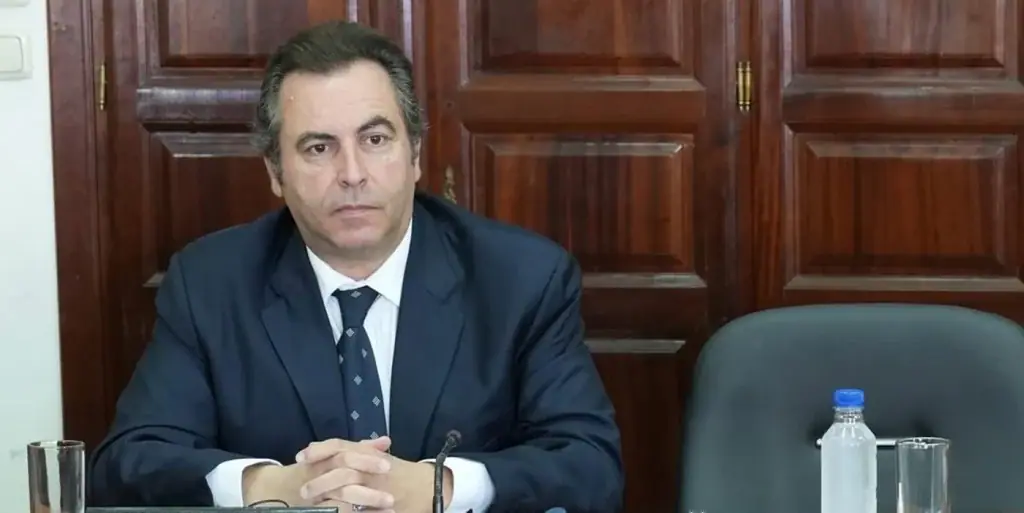
Tunisian lawmaker Maher Ketari, head of the finance and budget committee at the Assembly of People's Representatives (ARP), has called for radical reforms to the country's economic and financial system. He emphasized the need to intensify efforts to expand the tax base and integrate informal economic activities. This push for reform comes as the country prepares to discuss the 2027 state budget.
Ketari made these remarks during a joint session of the ARP's finance and budget committee and the National Council of Regions and Districts. The session was dedicated to hearing from the Minister of Finance regarding the 2027 state budget project. Ketari highlighted that the expansion of the tax base and integration of informal economic activities have not reached the required level. He noted that the informal sector continues to grow, posing a risk to economic and financial stability.
The lawmaker stressed that addressing this issue requires a comprehensive approach that goes beyond temporary solutions. This approach would involve integrating economic activities outside of organized frameworks and improving tax revenue collection. The goal is to support the state's budget resources and enhance public finance capabilities to fund necessary expenditures and investments.
Ketari also emphasized the importance of the agricultural sector, particularly in achieving food security and self-sufficiency. He highlighted the need to focus on cereal prices and the development of large-scale crops. These elements are crucial for realizing national food security and self-sufficiency goals.
In addition to discussing economic reforms, Ketari reviewed state expenditure trends, including subsidy, investment, and remuneration expenses. He noted that subsidy expenditures reached 4,496 million dinars by the end of August, representing a 6% increase. This data was presented during the session to highlight the evolving financial landscape.
The call for radical economic reforms comes at a critical time for Tunisia, as the country seeks to address its economic challenges. By focusing on tax base expansion, integration of informal activities, and agricultural development, the government aims to achieve greater financial stability and security. These efforts are expected to play a significant role in shaping the country's economic future.
As Tunisia moves forward with its economic plans, stakeholders will be watching closely to assess the impact of these proposed reforms. The success of these initiatives will depend on effective implementation and collaboration among various sectors. For now, the push for reform underscores the government's commitment to addressing economic issues and promoting sustainable growth.
Key points
- Tunisian lawmaker Maher Ketari calls for radical economic reforms to boost financial stability and food security.