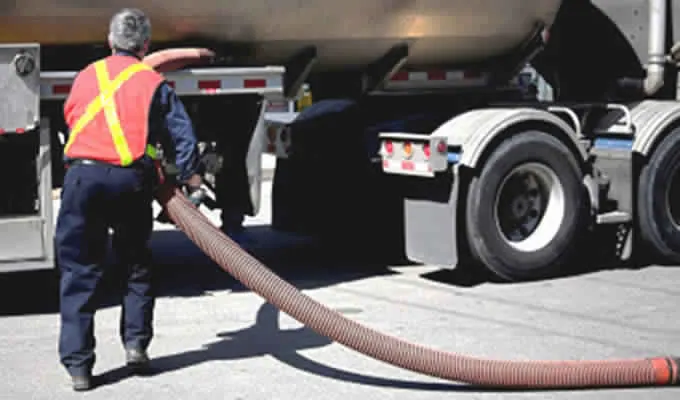
A strike by Tunisian fuel transport workers is scheduled for September 23-24, according to the country's union, the Fédération générale du pétrole et des produits chimiques. The union has confirmed that the strike will proceed as planned, pending conciliation efforts. This development has raised concerns about potential disruptions to fuel supplies in the country. The strike action has been a point of contention between the union and employers.
The Tunisian Union of Industry, Commerce and Agriculture (UTICA) has contested the legality of the strike, citing a lack of proper notice in accordance with the country's labor code. UTICA claims that transport companies have not received a valid strike notice, rendering any work stoppage illegal. However, the union disputes this assertion, pointing to a notice dated August 27, 2026, as evidence of proper notification.
The labor code requires a 10-day notice period for strikes, which must be notified to all concerned parties. While the August 27 notice meets the deadline for the September 23-24 strike, questions remain about its conformity, recipients, and effective receipt. Without complete documentation, it is challenging to independently verify the strike's legality. This ambiguity has created uncertainty about the strike's impact on fuel supplies.
UTICA has assured that fuel supplies will be maintained during the strike, citing cooperation from oil companies, transporters, and service stations. However, this is an untested claim, and actual supplies on the ground will only be confirmed on the day of the strike. Motorists are advised to prepare for potential disruptions, while the outcome of any last-minute conciliation efforts may alter the situation.
The dispute centers on the rights of fuel transport workers and the obligations of their employers. With the strike scheduled for September 23-24, all parties are on high alert. The situation may still evolve, depending on negotiations between the union and employers. If an agreement is reached, it could avert the strike and potential fuel shortages.
The strike's impact will be closely watched, given Tunisia's reliance on fuel imports. Any disruption to supplies could have significant economic and social implications. The government may need to intervene to mediate a resolution or mitigate the effects of the strike on the population. The international community is also monitoring the situation, as it may affect global fuel markets.
As the strike deadline approaches, stakeholders are urging restraint and dialogue. A negotiated settlement could help prevent economic losses and ensure a stable fuel supply. With tensions running high, a peaceful resolution is crucial to avoiding further complications. The outcome will be a critical test of Tunisia's labor relations and its ability to manage disputes without major disruptions.
Key points
- The strike's legality is disputed due to questions about the notice period and its conformity with the labor code.
- UTICA has assured that fuel supplies will be maintained during the strike.
- The strike's impact on fuel supplies and the economy will be significant if it proceeds as planned.