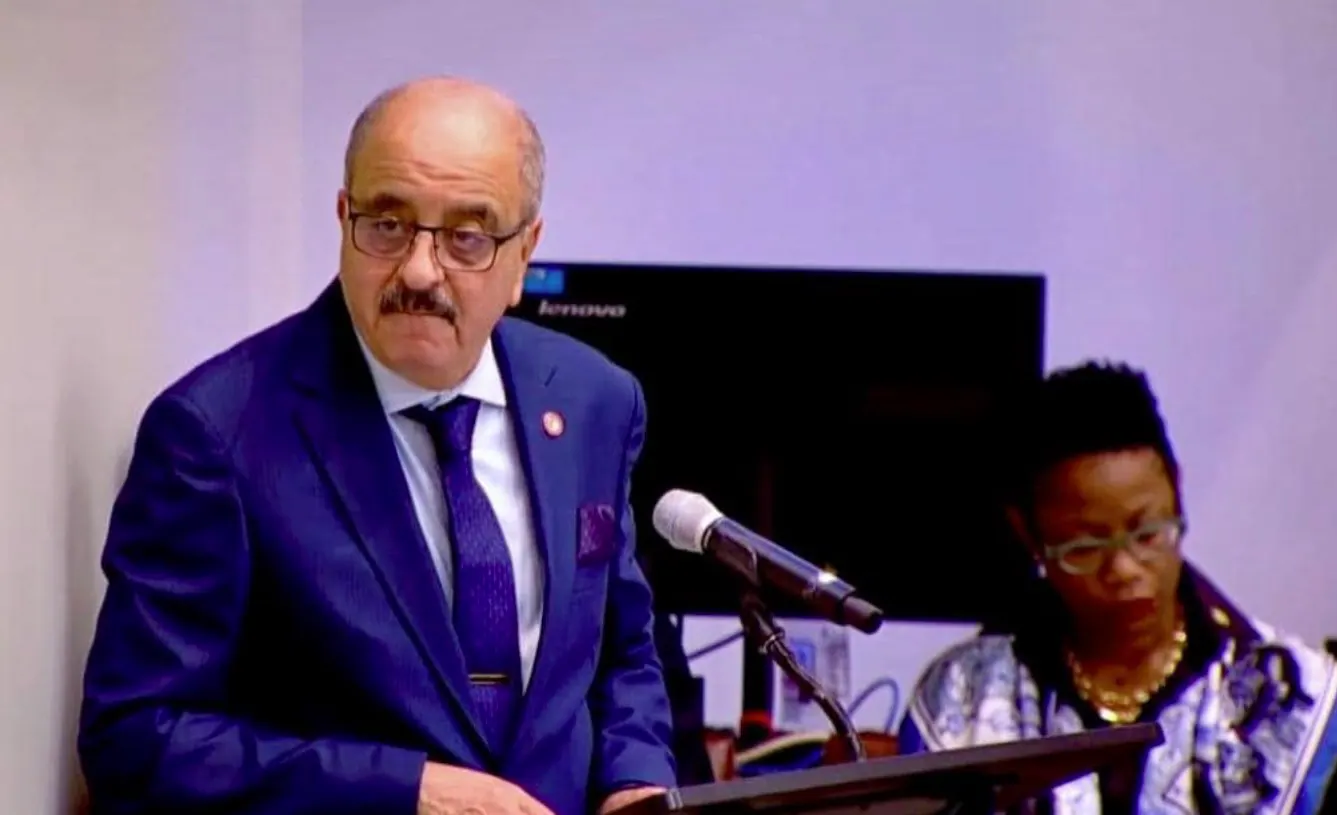
Tunisian Foreign Minister Mohamed Ali Nafti participated in a high-level meeting on "Prevention, Preparedness and Response to Pandemics" on the sidelines of the 81st session of the UN General Assembly in New York. The meeting was held on September 25, 2026. During his speech, Nafti emphasized the crucial role of multilateral diplomacy in establishing an effective global health system. He highlighted the importance of learning from the COVID-19 pandemic and considering the economic and social conditions of all countries.
Nafti stressed the significance that Tunisia attaches to the World Health Organization's (WHO) pandemic agreement, which is considered a cornerstone for international cooperation in addressing future health challenges. He noted that Tunisia's President Kais Saied was the first to call for an international treaty in April 2020. In March 2021, President Saied, along with 26 other global leaders, launched an urgent appeal for the treaty. The WHO awarded President Saied a special recognition for his efforts in this field on July 10, 2026.
The high-level meeting on pandemic prevention and preparedness was attended by various dignitaries and representatives from countries worldwide. The discussion focused on the importance of international cooperation in addressing health crises. Participants emphasized the need for a comprehensive approach to pandemic prevention, preparedness, and response. The meeting also highlighted the significance of equity, solidarity, and cooperation in addressing global health challenges.
During the meeting, Nafti underlined the importance of adopting the principle of fairness in the pandemic response process. He emphasized the need to strengthen vaccine manufacturing capacities, diversify production, and exchange technology and knowledge globally. Nafti also highlighted the importance of monitoring supply chains and developing emergency programs. The discussion also touched on exploring ways to finance international cooperation in pandemic response.
The Tunisian Foreign Minister's participation in the high-level meeting reflects Tunisia's commitment to international cooperation in addressing global health challenges. Tunisia has played an active role in promoting the pandemic agreement, and the country's efforts have been recognized by the WHO. The meeting provided a platform for countries to share experiences, best practices, and lessons learned in pandemic prevention and response.
The 81st session of the UN General Assembly provided a unique opportunity for world leaders to discuss pressing global issues, including pandemic prevention and preparedness. The high-level meeting on pandemics was an important event that highlighted the need for collective action in addressing global health challenges. The discussion emphasized the importance of cooperation, solidarity, and equity in pandemic response.
The pandemic agreement, which was adopted by the WHO on May 20, 2025, is a significant step towards strengthening international cooperation in pandemic response. The agreement aims to promote equity, solidarity, and cooperation in addressing global health challenges. Tunisia's active role in promoting the agreement reflects the country's commitment to global health security and cooperation.
Key points
- Tunisian Foreign Minister Mohamed Ali Nafti attends high-level meeting on pandemic prevention and preparedness at the UN General Assembly.
- Tunisia emphasizes importance of pandemic agreement and international cooperation in addressing global health challenges.
- WHO recognizes Tunisia's efforts in promoting pandemic agreement and global health security.