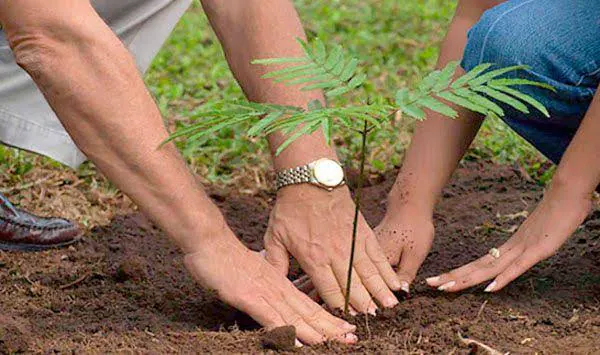
Tunisia is set to launch a comprehensive reforestation program in November, aiming to cover approximately 150 hectares in the Nabel governorate. The initiative, led by the Forest Department of the Regional Agricultural Development Commission, will focus on two main areas: 50 hectares in the coastal region of Zawiyat al-Maqayz and 100 hectares in Wadi al-Qasab. This effort is part of the country's ongoing endeavors to enhance its vegetation cover and mitigate the impacts of climate change.
The program's primary objective in Zawiyat al-Maqayz is to protect the coastal areas by stabilizing sand dunes and preventing their encroachment. In Wadi al-Qasab, the focus will be on reforestation after conducting thorough cleaning and pruning operations. The selected tree species are carefully chosen to adapt to the region's climate and weather conditions, including high temperatures during the summer. Species such as Aleppo pine, Caltrops, and Acacia will be planted, particularly in sandy areas, to ensure nitrogen fixation in the soil.
The reforestation process is scheduled to commence in early November, coinciding with Tunisia's National Tree Day, which is celebrated on the second Sunday of November. However, the implementation of this program is contingent upon favorable climatic conditions and adequate rainfall. According to Mohamed Hadi Slimani, head of the Forest Department, the success of the program depends on these factors.
The initiative is a significant step towards preserving Tunisia's natural resources and promoting environmental sustainability. By reforesting these areas, the government aims to combat desertification, protect biodiversity, and enhance ecosystem services. The program also underscores the importance of community involvement and awareness in maintaining and expanding the country's forest cover.
Tunisia has been actively pursuing measures to address environmental challenges, including climate change, deforestation, and soil degradation. The reforestation program in Nabel governorate is part of a broader strategy to promote sustainable development and ensure a healthier environment for future generations. The government has been working closely with local communities, NGOs, and international organizations to achieve these goals.
The selection of tree species for the reforestation program is a critical aspect, as it directly affects the survival and growth of the newly planted trees. In this context, the Forest Department has opted for species that are resilient to the local climate and can thrive in areas with limited water resources. This approach will help minimize maintenance costs and ensure the long-term success of the program.
The launch of the reforestation program in Nabel governorate is expected to have a positive impact on the local ecosystem and the community. It will not only contribute to environmental conservation but also provide opportunities for sustainable livelihoods and community engagement. As Tunisia continues to address environmental challenges, initiatives like this reforestation program will play a vital role in shaping the country's sustainable future.
Key points
- The program will cover 150 hectares in Nabel governorate, with 50 hectares in Zawiyat al-Maqayz and 100 hectares in Wadi al-Qasab.
- The reforestation process is scheduled to start in early November, coinciding with Tunisia's National Tree Day.
- The program aims to protect coastal areas, stabilize sand dunes, and promote environmental sustainability.