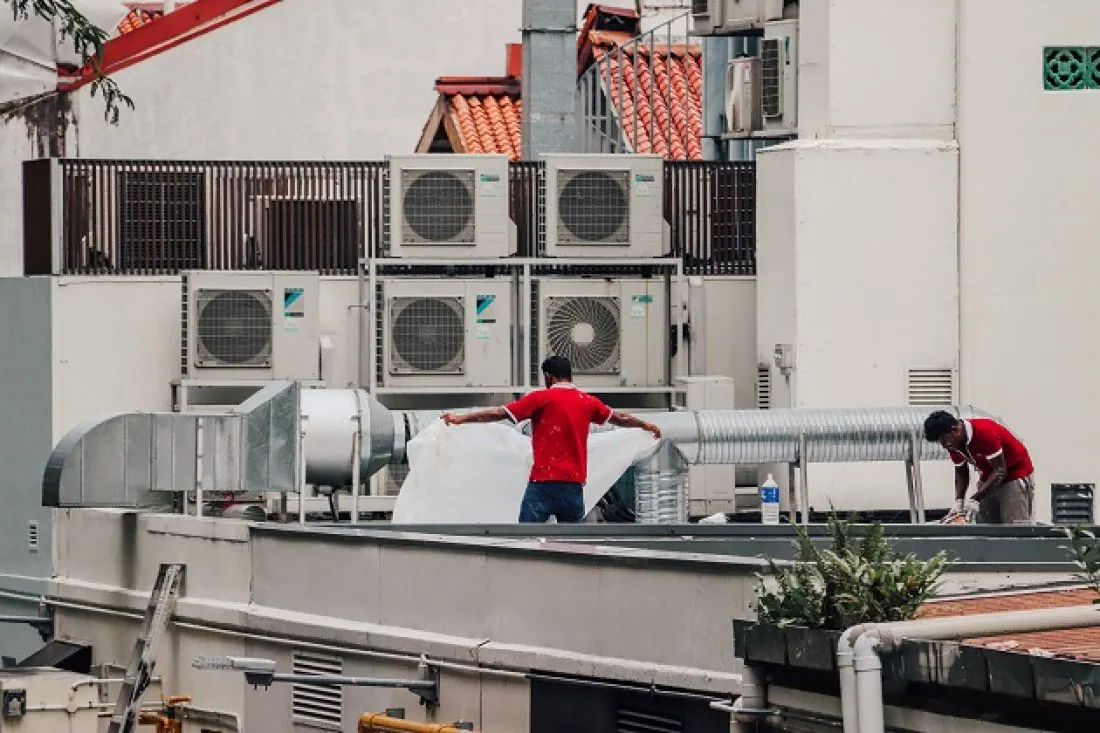
Tunisia is set to prohibit the importation and manufacturing of certain cooling equipment, starting January 1, 2027. This move is part of the country's efforts to reduce greenhouse gas emissions from the refrigeration sector. The ban will target specific types of equipment, including split air conditioners, water coolers, and household freezers and refrigerators that use hydrofluorocarbons (HFCs).
The decision is in line with Tunisia's commitment to the Kigali Amendment to the Montreal Protocol, an international agreement aimed at reducing the production and consumption of HFCs. The amendment, which came into effect in 2016, has been ratified by 174 countries, including Tunisia. The country's transition to more environmentally friendly cooling solutions is expected to reduce its HFC emissions significantly.
According to the Tunisian authorities, the ban on HFC-based equipment will be accompanied by a shift to more eco-friendly alternatives. For instance, the production of split air conditioners will switch to using R-32, a more environmentally friendly refrigerant. This gas has a lower global warming potential and is considered a more sustainable option.
Tunisia has already made progress in reducing its HFC emissions. The country has frozen its HFC consumption since January 1, 2024, and has implemented measures to reduce its reliance on HFCs. For example, the company Sicad Coala has converted its production line for water coolers to use a natural refrigerant, R-600a, which has resulted in a significant reduction in greenhouse gas emissions.
The Tunisian government has also taken steps to support the transition to more sustainable cooling solutions. The country has received funding from the Multilateral Fund to support the phase-out of HFCs, and has launched training programs for technicians and customs officials to ensure a smooth transition.
The Kigali Amendment aims to reduce global HFC emissions by 80-85% by 2047. If implemented effectively, the amendment is expected to prevent around 1°C of global warming by the end of the century. Tunisia's efforts to reduce its HFC emissions are part of a broader international effort to combat climate change.
The country's commitment to reducing its HFC emissions has been recognized internationally. Tunisia has received support from international partners, including Italy, to support its efforts to phase out HFCs. The country's progress in reducing its HFC emissions serves as an example for other countries to follow.
Key points
- Tunisia to ban certain cooling equipment from 2027 as part of its strategy to reduce greenhouse gas emissions.
- The ban is part of Tunisia's commitment to the Kigali Amendment to the Montreal Protocol.
- The country's transition to more environmentally friendly cooling solutions is expected to reduce its HFC emissions significantly.