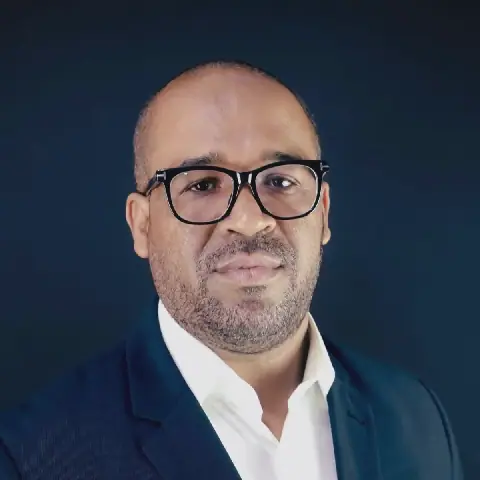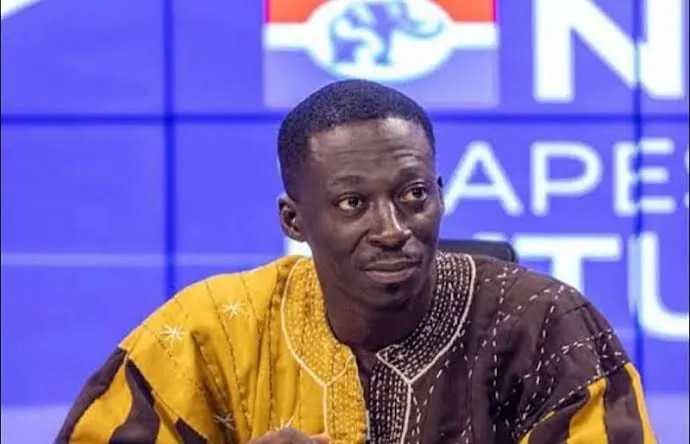
Private Legal Practitioner, Austin Kwabena Brako-Powers, has expressed concern over the politicization of drug busts in Ghana. He warned that when successive governments engage in counterclaims over which administration discovered more cocaine, it reduces a serious national security issue to political noise. According to him, this approach undermines the fight against narcotics and creates confusion in the public domain. Mr. Brako-Powers emphasized that the focus should be on strengthening institutions and ensuring accountability.
Mr. Brako-Powers noted that drug trafficking is a transnational organised crime that requires a non-partisan, sustained, and intelligence-led approach, regardless of which party is in power. He stressed that the fight against drugs should be a national agenda, not a partisan contest, as lives, national reputation, and security are at stake. The legal practitioner urged political actors to refrain from using drug busts as campaign tools and instead support efforts aimed at making Ghana unattractive for drug traffickers.
Speaking on the fallout from recent drug busts, Mr. Brako-Powers highlighted the need for a collaborative approach to combat drug trafficking. He called on the Narcotics Control Commission (NACOC), the Ghana Police Service, National Security, and other relevant agencies to be allowed to work professionally and independently, without political interference. This, he believes, will enable them to effectively tackle the issue of drug trafficking in the country.
Mr. Brako-Powers also emphasized the importance of transparency in investigations and prosecutions. He stressed that Ghanaians deserve to know the outcome of high-profile drug cases and the measures being put in place to prevent future occurrences. By being transparent, the agencies can build trust with the public and demonstrate their commitment to fighting drug trafficking.
The private legal practitioner further cautioned that politicising seizures creates confusion in the public domain and distracts from the core issues of how such large quantities of drugs are able to enter or leave the country, and who the key players behind the networks are. He believes that by focusing on these key issues, the country can make progress in the fight against drug trafficking.
Mr. Brako-Powers' comments come at a time when Ghana has been experiencing a surge in cocaine seizures. The country has been working to strengthen its anti-drug efforts, but the issue remains a significant challenge. The legal practitioner believes that by working together and adopting a non-partisan approach, Ghana can make Ghana unattractive for drug traffickers.
In conclusion, Mr. Brako-Powers reiterated that the fight against drugs should be a national agenda, not a partisan contest. He urged all stakeholders to support efforts aimed at combating drug trafficking and making Ghana a safer country for its citizens. By doing so, Ghana can reduce the threat posed by drug trafficking and create a better future for its people.
Key points
- The fight against drugs should be a national agenda, not a partisan contest.
- Politicizing drug busts creates confusion and undermines the fight against narcotics.
- A non-partisan, sustained, and intelligence-led approach is required to combat drug trafficking.