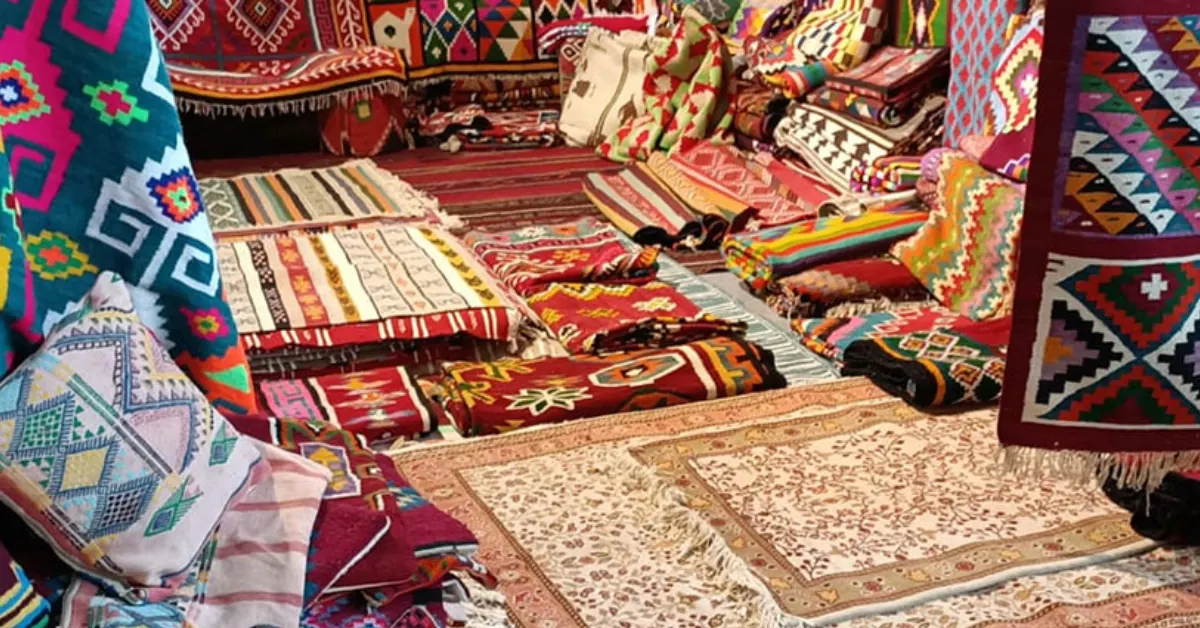
Tunisia's traditional industry sector has seen significant growth, with exports reaching 58 million dinars by the end of August 2026. This represents a 3% increase compared to the same period in 2025. The sector's exports now account for approximately 2% of Tunisia's total export value. The growth is a positive sign for the country's economy, which has been facing challenges in recent years.
The Tunisian government has been working to promote the traditional industry sector, with the Ministry of Tourism and Traditional Industries playing a key role. The ministry's efforts have led to an increase in the number of businesses operating in the sector, with 228 companies participating in the third edition of the "Articrea" professional salon for traditional industries. The event, which took place in Tunis, brought together artisans, buyers, and professionals from across the country.
The "Articrea" salon featured a range of traditional Tunisian products, including handicrafts, textiles, and jewelry. The event was attended by 228 companies, 60% of which are managed by women and 40% by graduates of higher education institutions. The salon also attracted international buyers and journalists, who came to learn more about Tunisia's traditional industry sector and explore opportunities for collaboration.
The growth of Tunisia's traditional industry sector has been driven in part by government support. The National Office for Traditional Industries (ONIT) has been working to promote the sector and provide support to businesses operating in it. According to ONIT's general manager, Leila Maslati, 12 public and private sector organizations are contributing to the development of the traditional industry sector.
The traditional industry sector is seen as an important part of Tunisia's economy, with the potential to create jobs and generate revenue. The sector is also viewed as a way to promote Tunisian culture and heritage, both domestically and internationally. The government has launched initiatives aimed at supporting the sector, including a program to encourage public and private institutions to purchase traditional products.
The "Articrea" salon was organized in partnership with several institutions, including the National University of Traditional Industries and the Tunis International Fair. The event ran from October 5 to 11 and was open to the public daily from 10am to 7pm. The salon provided a platform for businesses to showcase their products and connect with potential buyers and partners.
The traditional industry sector is expected to continue growing, driven by government support and increasing demand for Tunisian products. The sector's growth is seen as a positive sign for Tunisia's economy, which has been facing challenges in recent years. With the right support and investment, the traditional industry sector has the potential to become a major contributor to Tunisia's economic growth.
Key points
- Tunisia's traditional industry exports reached 58 million dinars by August 2026, up 3% from the same period in 2025.