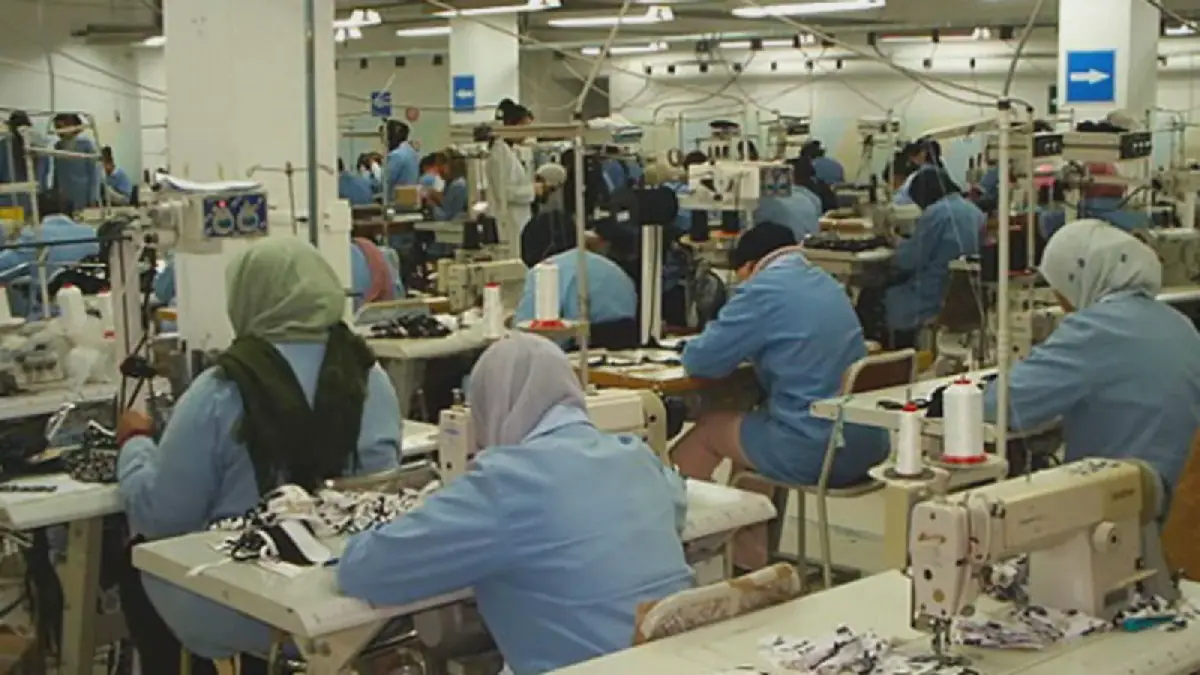
Tunisia's textile and clothing sector has experienced significant decline over the past five years, losing 237 companies. Despite its historical resilience, the industry has struggled to evolve, with experts warning that it is on the brink of exhaustion. The sector's decline has been attributed to various factors, including a challenging business environment and lack of investment. Industry leaders and experts agree that a major transformation is needed to prevent further decline.
The Tunisian textile sector has faced significant challenges in 2026, with production declining by over 50% during the summer months. The crisis has been exacerbated by repeated power outages, which have forced many companies to halt operations. This has had severe consequences, including a decline in exports and a loss of credibility among international clients. According to statistics, exports of textile and clothing products declined by 4.7% during the first nine months of 2026 compared to the same period in 2025.
The sector's decline has also been attributed to a lack of visibility, planning, and orientation. The investment climate has deteriorated significantly, with the balance of opinion on investment evolution declining from +2% at the end of 2025 to -4% in the first half of 2026. This loss of confidence poses significant risks to the sector's competitiveness and survival. Industry experts warn that without investment, the sector will struggle to modernize and remain competitive.
The decline of the textile sector has significant social implications, including job losses and business closures. The sector's struggles have also had a negative impact on the broader economy, with the loss of over 600 industrial companies in the past five years. Industry leaders and experts are calling for urgent action to address the sector's challenges and prevent further decline.
To address the sector's challenges, industry experts recommend the integration of digital technologies and acceleration of ecological transition. This includes automating production lines and investing in new technologies to improve competitiveness. Additionally, there is a need for a new dynamic of investment, diversification of markets, and valorization of human capital.
The Tunisian government has been urged to take action to support the sector, including providing financial support and incentives for investment. The sector's decline has significant implications for the country's economy and employment, and urgent action is needed to prevent further decline. Industry leaders and experts are working together to develop a strategy to revitalize the sector and restore its competitiveness.
The textile sector has long been a strategic industry for Tunisia, but its decline has significant implications for the country's economy and employment. To prevent further decline, industry leaders and experts are calling for a major transformation of the sector, including investment in new technologies and a new dynamic of investment. The sector's future remains uncertain, but with urgent action, it may be possible to restore its competitiveness and prevent further decline.
Key points
- The Tunisian textile sector has lost 237 companies in five years, with experts warning of further decline without major transformation.
- The sector's decline has been attributed to various factors, including a challenging business environment, lack of investment, and repeated power outages.
- Industry experts recommend the integration of digital technologies and acceleration of ecological transition to address the sector's challenges.