President Joseph Nyuma Boakai of Liberia has initiated the Presidential Clean Cities Initiative, a program aimed at enhancing urban sanitation and providing employment opportunities for young Liberians. This initiative is part of the government's efforts to improve community conditions and involve young people in national development. The program will be implemented in phases, starting with eight counties, covering 14 cities and one township.
The first phase of the initiative, which began on October 15, 2026, will engage 1,250 young people and 20 Community-Based Organizations (CBOs) in sanitation activities, environmental initiatives, and public awareness campaigns. The program aims to encourage community ownership of public spaces and collaboration among citizens, youth groups, CBOs, and local authorities to address sanitation and environmental challenges. The initiative will focus on cleaning public spaces, waterways, and beachfronts, which are currently infested with garbage.
One of the key areas targeted for cleanup is the Palm Grove Cemetery in Monrovia, a site of national significance. The cemetery, which was once the only burial site in Monrovia, is the final resting place of many notable Liberians, including almost all the country's presidents and senior government officials. However, the cemetery has fallen into disrepair, with many graves destroyed, and it is hoped that the initiative will help restore it to its former glory.
The Presidential Clean Cities Initiative has been welcomed by many, who see it as a much-needed intervention to improve the sanitary conditions in urban areas across Liberia. However, there are concerns that the program may not yield the desired results without a comprehensive public awareness campaign to educate people on the importance of keeping their communities clean. A sustained public awareness campaign, targeting all sectors of society, and including messages in local ethnic languages, is seen as crucial to the initiative's success.
To ensure the success of the initiative, it is also important for the government to work closely with the media, which are the custodians of public information dissemination. The media can play a critical role in educating the public and inspiring behavior change. Community leaders and activists have emphasized the need for a collaborative approach to achieve the goals of the Presidential Clean Cities Initiative.
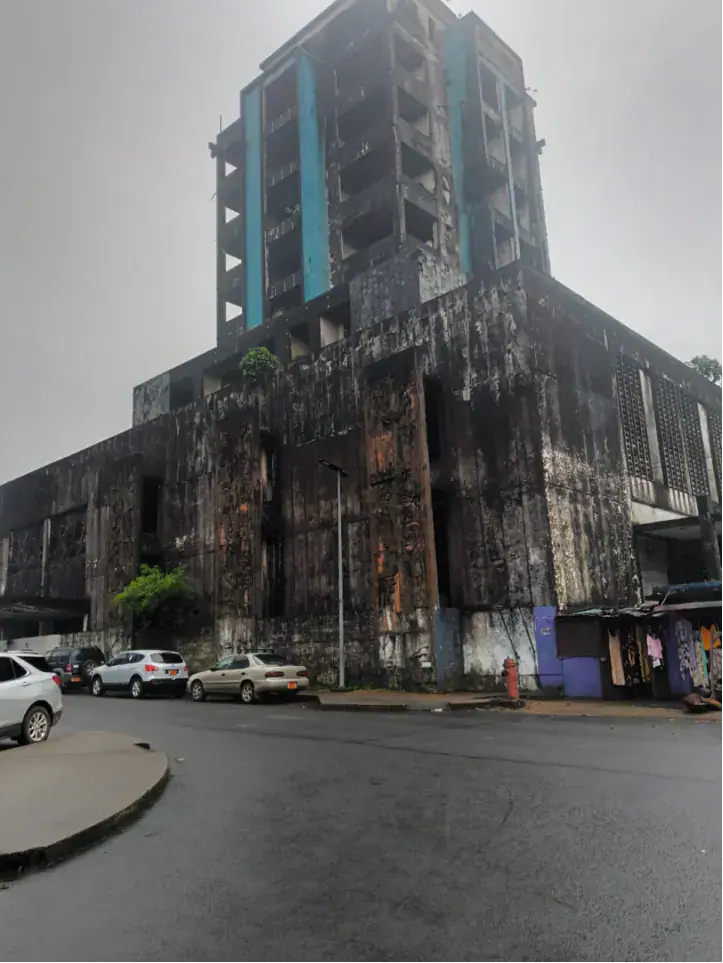
In addition to the cleanup initiatives, there is also a need for the government to consider undertaking a program for the rehabilitation of historic buildings and landmarks in Monrovia. These include the Ducor Palace Hotel, a five-star luxury hotel that was once a prominent landmark in West Africa. The rehabilitation of such historic sites can help to promote tourism and economic development in Liberia.
The Presidential Clean Cities Initiative is expected to have a positive impact on the environment and the lives of young Liberians. If executed efficiently, the program could be a significant achievement for President Boakai, who could be regarded as a champion of a clean environment. The government has expressed its commitment to implementing the initiative and ensuring its success.
Key points
- The initiative aims to engage 1,250 young people and 20 Community-Based Organizations in sanitation activities and public awareness campaigns.
- The program will be implemented in phases, starting with eight counties, covering 14 cities and one township.
- A comprehensive public awareness campaign is seen as crucial to the initiative's success.