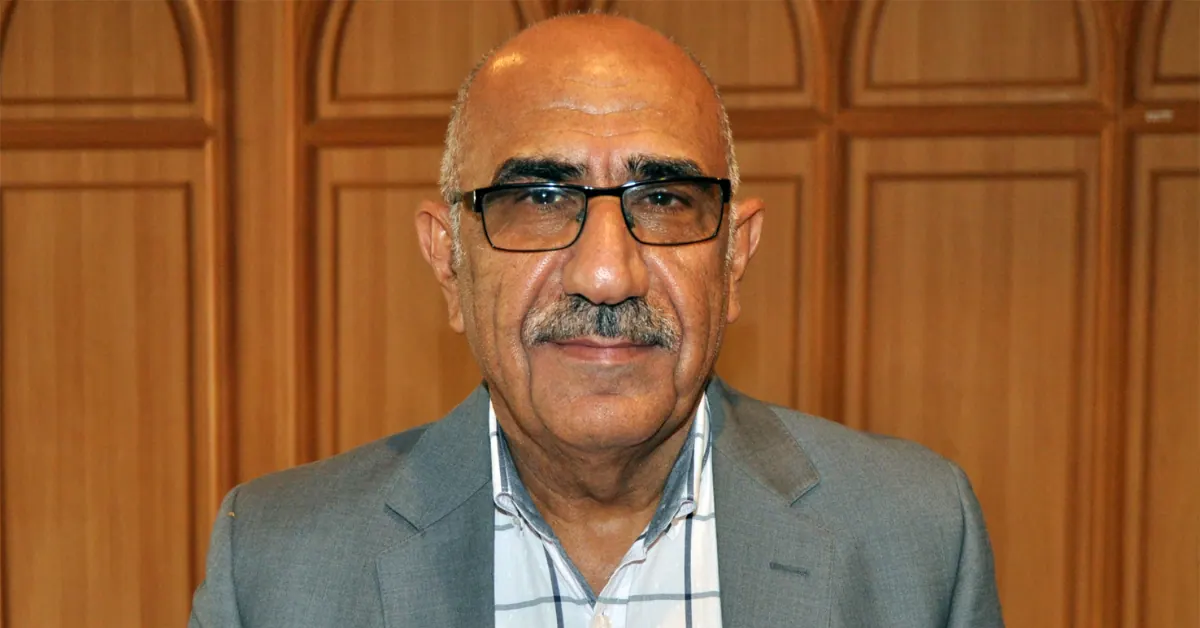
Tunisia's social protection system provides health coverage for low-income families through free and low-cost medical treatment programs. According to Badr Eddine Al-Smawi, a social protection expert and advisor, these programs are part of the country's social safety net. The system aims to support vulnerable populations, ensuring they receive necessary medical care.
To be eligible for free or low-cost medical treatment, applicants must meet specific criteria, including age and income requirements. Their family's social and economic situation is also considered. Al-Smawi explained that these conditions are in place to target those who genuinely need financial assistance. The assessment process involves evaluating various factors to determine eligibility.
One of the key factors in determining eligibility is the applicant's property ownership. Specifically, those who own additional properties may not qualify for the programs. Furthermore, individuals who engage in significant financial transactions, such as buying or selling assets worth over 30 times the minimum wage, are also excluded. These criteria help ensure that support reaches those who need it most.
The social services department uses a point system to assess applicants' eligibility. This system helps classify families as either poor or low-income, determining their qualification for free or low-cost medical treatment. By using a structured evaluation process, authorities can efficiently identify those who require assistance.
Al-Smawi's comments were made during an appearance on the "Weekend on the How" program. His explanations shed light on the often-complex process of accessing free and low-cost medical care in Tunisia. By clarifying the eligibility criteria, he aims to help citizens understand the available support and how to access it.
The Tunisian social protection system continues to evolve, with ongoing efforts to improve and expand its coverage. As part of these efforts, authorities regularly review and update the eligibility criteria to ensure they remain relevant and effective. This process helps maintain the system's integrity and responsiveness to citizens' needs.
The provision of free and low-cost medical treatment is a critical component of Tunisia's social safety net. By understanding the eligibility criteria and application process, citizens can access necessary medical care, improving their overall well-being. As the country continues to develop its social protection system, it is essential to maintain transparency and clarity regarding the available support and its accessibility.
Key points
- The Tunisian social protection system uses a point system to assess applicants' eligibility for free and low-cost medical treatment.
- Eligibility criteria include age, income, and property ownership, as well as the applicant's financial transactions.
- The system aims to support low-income families and vulnerable populations, ensuring they receive necessary medical care.