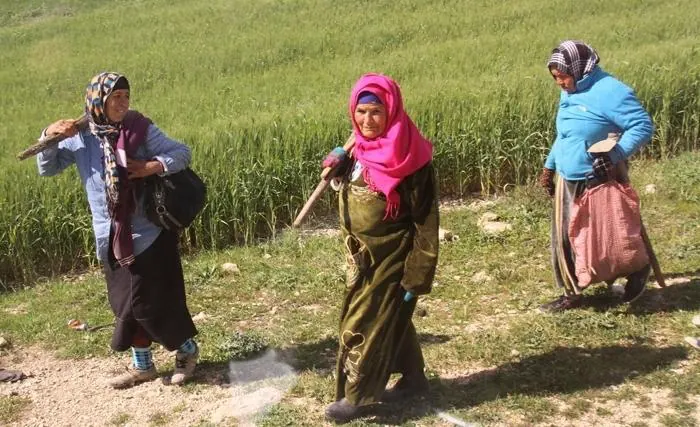
The International Climate Cooperation Project is underway in Tunisia's Sidi Bouzid region, a collaborative effort between the Higher Institute of Technological Studies in Sidi Bouzid and Collège de Maisonneuve in Montreal, Canada. This initiative seeks to empower 44 beneficiaries, comprising 41 women farmers or project leaders and 3 male farmers, from 7 delegations within the region.
The project's primary objective is to equip participants with essential skills in entrepreneurship and leadership, focusing on climate change and agricultural technology. Since its inception, beneficiaries have participated in multiple training sessions covering various topics related to innovative thinking and initiative-taking in the context of climate change.
The training program is designed to enhance the participants' capabilities in managing climate-related challenges and promoting sustainable agricultural practices. By acquiring these skills, the beneficiaries will be better positioned to contribute to their communities' economic growth and environmental sustainability.
Samir Akasha, one of the project's supervisors, provided insights into the initiative's progress and impact. The project's success is attributed to the collaboration between Tunisian and Canadian institutions, demonstrating the value of international partnerships in addressing climate-related issues.
The International Climate Cooperation Project aligns with Tunisia's efforts to address climate change and promote sustainable development. By investing in human capital and enhancing skills, the project aims to create a positive impact on the region's economic and environmental landscape.
The project's focus on women's empowerment is particularly noteworthy, as it seeks to promote gender equality and women's participation in the agricultural sector. By providing women with the necessary skills and knowledge, the project aims to enhance their socio-economic status and contribute to the region's overall development.
As the project continues to unfold, its outcomes will be closely monitored, and its impact assessed. The International Climate Cooperation Project serves as a model for future collaborations between Tunisia and international partners, highlighting the importance of joint efforts in addressing climate-related challenges and promoting sustainable development.
Key points
- The project aims to train 44 beneficiaries, including 41 women, in climate-related skills.
- The initiative is a collaboration between the Higher Institute of Technological Studies in Sidi Bouzid and Collège de Maisonneuve in Montreal, Canada.
- The project focuses on empowering women and promoting sustainable agricultural practices in the Sidi Bouzid region.