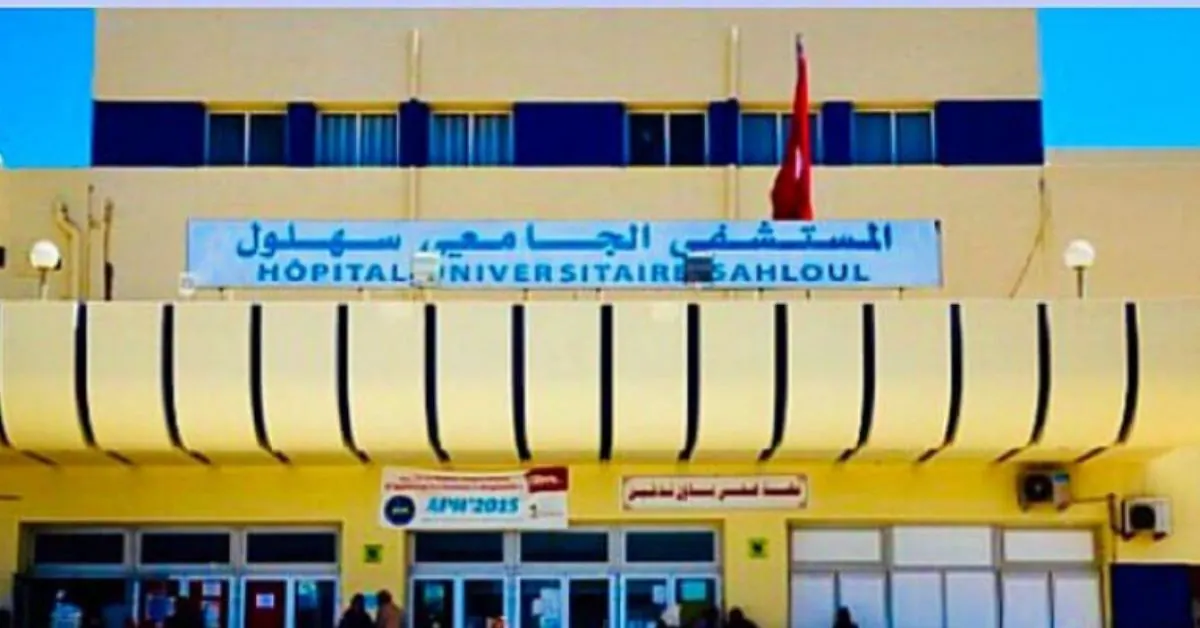
Tunisia's Sahloul Hospital has emerged as a leader among public health institutions in the country, successfully unifying 180,000 health identifiers as of October 6. This achievement was announced during a working session held on October 7, chaired by the hospital's General Director, Shouki Ben Hammouda. The session aimed to assess the actual progress of the health identifier project at the hospital.
The working session brought together several high-ranking officials from the hospital to discuss various situations that require technical and organizational solutions. A unified approach was agreed upon to overcome these challenges and ensure the project's continued progress. According to the hospital's management, the health identifier is a crucial component of digital transformation, enabling the linking of patients' health data in a unified manner.
The unified health identifier allows medical structures to access essential information, ensuring effective patient care regardless of their location or geographical affiliation. By achieving this milestone, Sahloul Hospital has demonstrated its commitment to the digitalization of health services, prioritizing patient safety and treatment quality. This progress reflects the hospital's dedication to providing high-quality care.
The hospital's management emphasized that the unification of health identifiers is a significant step towards enhancing patient care. This digitalization effort aims to improve the overall efficiency of healthcare services, enabling medical professionals to access vital information quickly and easily. As a result, patients can expect better-coordinated care.
Sahloul Hospital's achievement is particularly noteworthy, given the importance of digital transformation in the healthcare sector. By embracing this change, the hospital is setting a positive example for other public health institutions in Tunisia. The hospital's commitment to digitalization is expected to have a lasting impact on the quality of care provided.
The hospital's progress in unifying health identifiers has been recognized as a significant accomplishment. This achievement is a testament to the hospital's efforts to prioritize patient care and safety. As the healthcare sector continues to evolve, Sahloul Hospital's commitment to digitalization is likely to play a key role in shaping the future of healthcare in Tunisia.
In conclusion, Sahloul Hospital's leadership in unifying health identifiers is a significant milestone in the country's healthcare sector. The hospital's dedication to digitalization and patient care has set a high standard for other public health institutions to follow. With its continued focus on innovation and quality care, Sahloul Hospital is well-positioned to make a lasting impact on the healthcare landscape in Tunisia.
Key points
- Sahloul Hospital has unified 180,000 health identifiers, leading public health institutions in Tunisia.