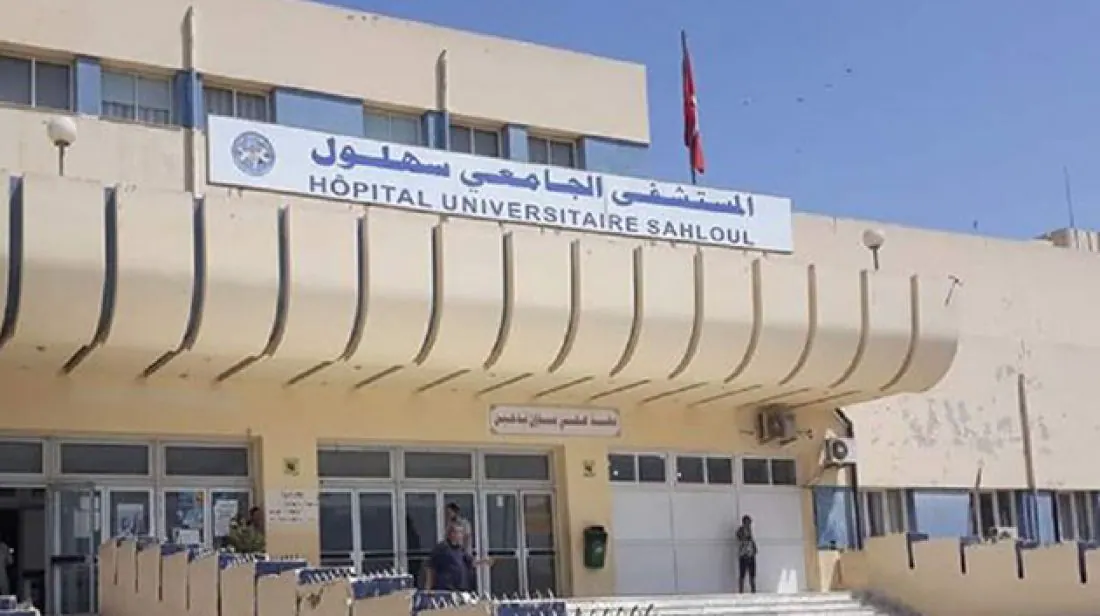
Tunisia's Sahloul Hospital has taken the lead in unifying health identifiers among public health institutions, with 180,000 identifiers unified as of October 6, 2026. This was announced during a working session held at the hospital, chaired by its General Director, Shouki Ben Hammouda. The session aimed to evaluate the progress of the national health identifier project and address specific situations requiring technical and organizational solutions.
The working session focused on assessing the project's progress and identifying areas for improvement. A unified methodology was agreed upon to overcome challenges and ensure the project's continued implementation with the required efficiency. The hospital's commitment to digitizing health services and enhancing continuity and integration of care was reaffirmed, with a focus on patient safety and improved care quality.
The national health identifier is a crucial component of Tunisia's healthcare digital transformation. It enables the linking of patients' health data in a unified manner, allowing healthcare structures to access essential medical information. This facilitates effective patient care, regardless of the healthcare facility or geographic location. The project aims to improve healthcare services and patient outcomes.
Sahloul Hospital's achievement in unifying 180,000 health identifiers demonstrates its commitment to implementing the national health identifier project. The hospital's efforts are aligned with Tunisia's healthcare strategy, which prioritizes digitalization and improved care quality. The project's success is expected to have a positive impact on the country's healthcare sector.
The national health identifier project is a key initiative in Tunisia's healthcare sector. It aims to create a unified healthcare database, enabling healthcare providers to access patients' medical information easily. This will improve patient care and outcomes, while also enhancing the overall efficiency of the healthcare system.
The implementation of the national health identifier project is ongoing, with Sahloul Hospital leading the way. The hospital's experience and expertise will be shared with other healthcare institutions, facilitating the project's expansion across the country. This will contribute to the development of a comprehensive and integrated healthcare system in Tunisia.
The project's progress and impact will be closely monitored, with ongoing evaluation and assessment to ensure its effectiveness. The success of the national health identifier project will depend on the collaboration and commitment of all stakeholders, including healthcare institutions, policymakers, and patients.
Key points
- Sahloul Hospital has unified 180,000 health identifiers, leading public health institutions in Tunisia.
- The national health identifier project aims to create a unified healthcare database, improving patient care and outcomes.
- The project's success will depend on the collaboration and commitment of all stakeholders, including healthcare institutions, policymakers, and patients.