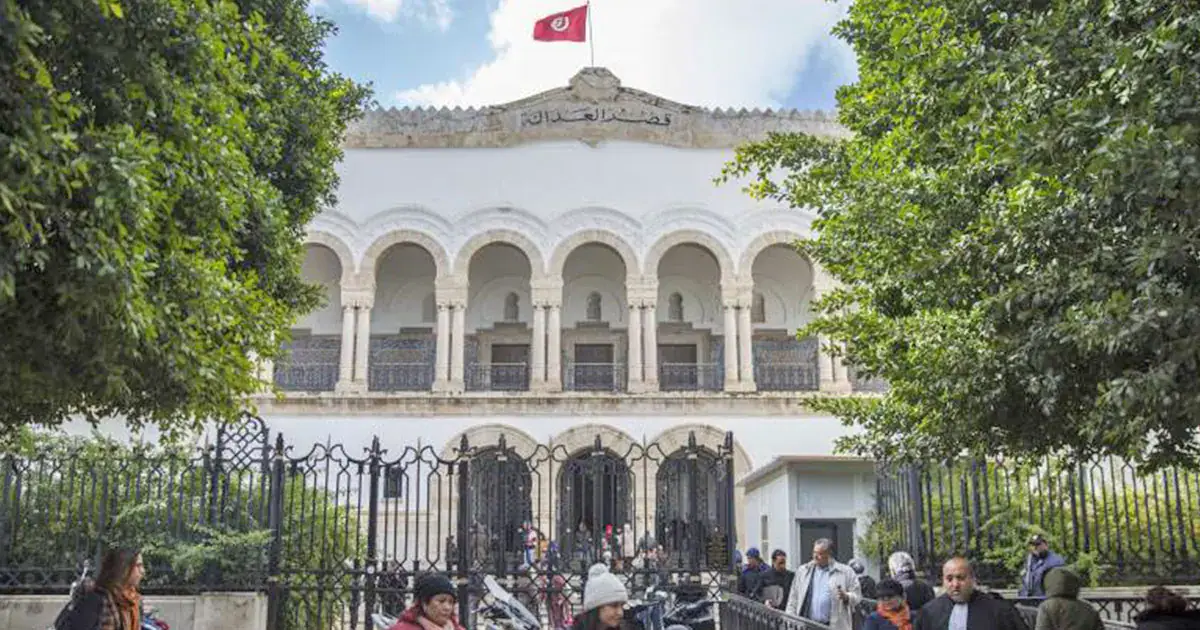
Tunisia's legislation on repressive political offenses has its roots in the country's colonial past. The French protectorate, which lasted from 1881 to 1956, had a profound impact on the country's judicial system. Many laws currently in force in Tunisia date back to this era, including the penal code, which was promulgated in 1913. This code has been criticized for being outdated and in need of revision.
The creation of the Secrétariat Général de la Justice in 1910 marked a significant turning point in the development of Tunisia's judicial system. Bernard Roy, the former Secrétaire Général du Gouvernement Tunisien, was appointed to head the secretariat and oversee the creation of various commissions to draft Tunisian laws. The commissions were tasked with elaborating laws, managing local judicial affairs, and presenting and publishing laws, decrees, and regulations related to civil, commercial, and penal law.
The French penal code, which was promulgated in 1810 under Napoleon Bonaparte, served as a model for Tunisia's penal code. The code's provisions on crimes and offenses against the external and internal security of the state were transposed into Tunisian law. These provisions included articles on treason, espionage, and attacks on national defense and security. The code also provided for the protection of the regime and the punishment of crimes and offenses committed against the internal security of the state.
The Tunisian penal code has been criticized for its repressive nature and its failure to protect human rights. The code's provisions on political offenses have been used to silence opposition and dissent. The law has been amended over the years, but many of its provisions remain unchanged. Human rights groups have called for the code to be revised to bring it in line with international human rights standards.
The legacy of colonialism continues to shape Tunisia's judicial system. The country's laws and institutions have been influenced by French colonial rule, and many Tunisians continue to feel the effects of this legacy. The government has taken steps to reform the judicial system, but much work remains to be done. Recognizing the status of political prisoners and revising the penal code are seen as key steps towards addressing the country's human rights challenges.
Khemais Arfaoui, a Tunisian expert, has called for a thorough review of the country's laws and institutions. He argues that the penal code and other laws need to be revised to bring them in line with international human rights standards. Arfaoui also advocates for the recognition of political prisoners and the establishment of a truth and reconciliation commission to address human rights abuses.
The Tunisian government faces pressure to reform its laws and institutions. Human rights groups and civil society organizations continue to push for change, and the government has taken steps to address some of the country's human rights challenges. However, much work remains to be done to ensure that Tunisia's laws and institutions are fair, just, and protect human rights.
Key points
- Many Tunisian laws currently in force date back to the French protectorate era.
- The country's penal code has been criticized for being outdated and repressive.
- Human rights groups have called for the code to be revised to bring it in line with international human rights standards.