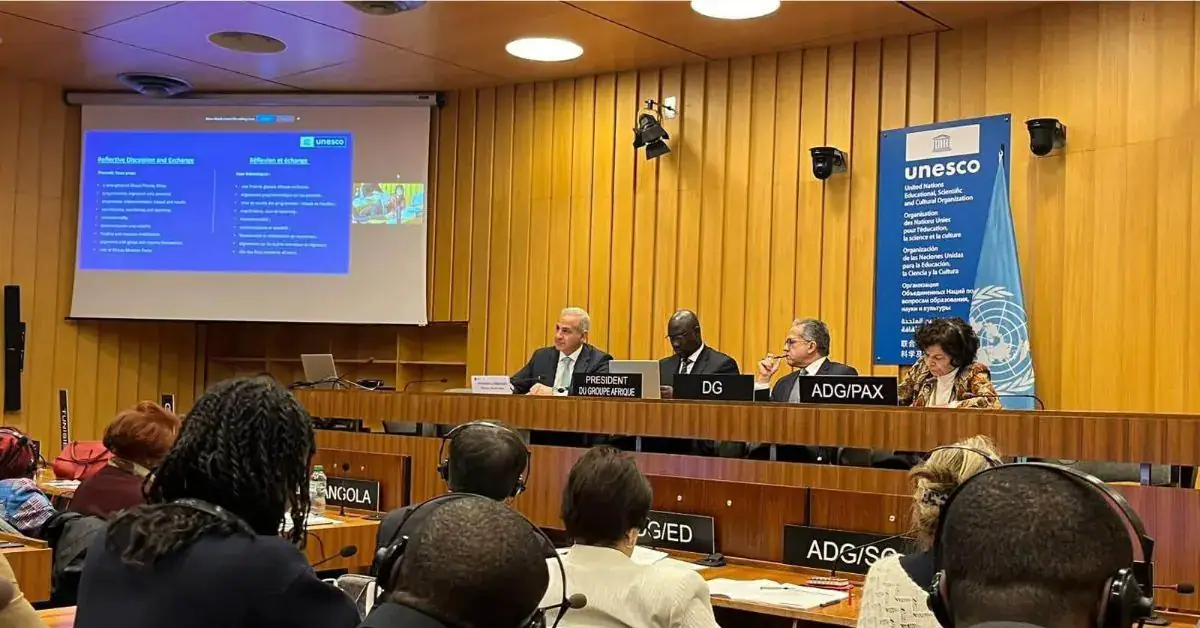
Tunisia's permanent delegate to UNESCO, Ambassador Ziad Khaled, took part in a meeting on November 2, 2026, to evaluate the Africa Priority Plan 2022-2029. As the deputy head of the African group, he engaged in a dialogue session led by UNESCO Director-General Khalid El Anani. The session aimed to assess the progress made since the plan's launch in 2022 and identify necessary adjustments to meet African countries' expectations and priorities.
Ambassador Khaled emphasized the significance of this evaluation process, which seeks to review the progress made and determine the required changes to align with African countries' aspirations. He highlighted the importance of integrating the "General History of Africa," prepared by UNESCO, into national education programs. This integration aims to promote a better understanding of African history and culture.
The ambassador also stressed the need to enhance technical assistance to African countries in preparing nomination files for UNESCO's heritage lists. This assistance is crucial to address the underrepresentation of African heritage on these lists. By doing so, African countries can better showcase their rich cultural and natural heritage.
Furthermore, Ambassador Khaled underlined the importance of placing Africa at the center of global transformations in areas such as artificial intelligence, science, and climate change mitigation. He noted that these changes have a significant impact on African heritage and emphasized the need for increased coordination with the African Union's Agenda 2063.
The evaluation process also focused on strengthening the role of UNESCO's field offices outside its headquarters and establishing indicators to measure the impact and sustainability of UNESCO's programs and projects in Africa. By doing so, UNESCO can better assess its effectiveness in implementing the Africa Priority Plan.
Ambassador Khaled's participation in this evaluation process demonstrates Tunisia's commitment to African cooperation and its dedication to promoting the continent's interests within UNESCO. The Africa Priority Plan 2022-2029 aims to support African countries in achieving their development goals and promoting cultural diversity.
The meeting concluded with a renewed commitment to enhancing cooperation between UNESCO and African countries. The evaluation of the Africa Priority Plan 2022-2029 will inform future strategies and programs aimed at promoting Africa's development and cultural heritage.
Key points
- Tunisia's permanent delegate to UNESCO participated in the evaluation of the Africa Priority Plan 2022-2029.
- The evaluation process aimed to assess progress made and identify necessary adjustments to meet African countries' expectations and priorities.
- The plan focuses on promoting African history, culture, and heritage, as well as addressing the impact of global transformations on the continent.