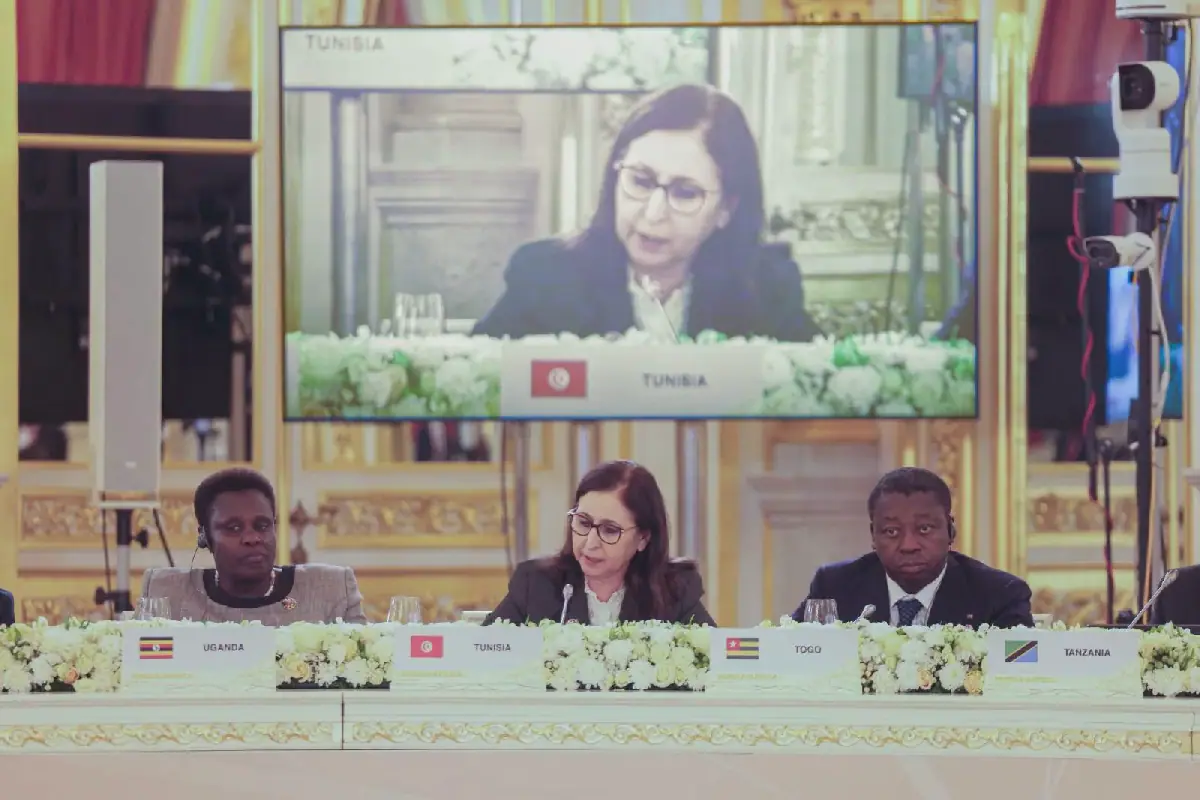
Tunisia's participation in the third Russia-Africa Summit, held in Moscow on October 28-29, has opened up new avenues for strategic cooperation. The summit, attended by 48 African countries and 22 heads of state and government, provided a platform for Tunisia to strengthen its relationships with Russia and other African nations. According to analysts, Tunisia's presence at the summit demonstrates its commitment to elevating its relationship with Russia to a higher level of economic and scientific cooperation.
The participation of the Tunisian Prime Minister in the summit is seen as a positive indicator of Tunisia's interest in deepening its ties with Russia. The summit's outcomes and implications offer Tunisia opportunities to invest in and build on three main areas: achieving direct economic gains, diversifying strategic partnerships, and enhancing its position as a gateway to Africa. These areas are crucial for Tunisia's economic development and its role in the region.
One of the key areas of focus for Tunisia is achieving economic gains, particularly in expanding its exports, enhancing food and energy security, and strengthening partnerships in education and healthcare. The summit provided a platform for Tunisia to explore new opportunities for trade and investment with Russia and other African countries. With 48 African countries and 22 heads of state and government in attendance, the summit offered a unique chance for Tunisia to engage with a wide range of partners.
Diversifying strategic partnerships is another critical area for Tunisia, given the changing international landscape and the emergence of a new multipolar world order. Tunisia needs to expand its relationships beyond traditional partners and engage with new players, such as Russia, to promote its economic interests. This approach will enable Tunisia to reduce its dependence on a few partners and increase its negotiating power.
Enhancing Tunisia's position as a gateway to Africa is also a key objective. With its strategic location in the Mediterranean, Tunisia can serve as a hub for trade and investment between Russia, Europe, and Africa. This role can benefit not only Tunisia but also Russia and other African countries, which can leverage Tunisia's position to expand their presence in the African market.
However, experts caution that realizing the benefits of Tunisia's participation in the Russia-Africa Summit will require the country to address several challenges. These include developing its infrastructure, updating its legislation, and building its capacity to attract investment and promote economic cooperation. Tunisia will need to demonstrate its commitment to reform and its ability to implement policies that support economic development.
In conclusion, Tunisia's participation in the Russia-Africa Summit has created new opportunities for strategic cooperation and economic development. While challenges remain, Tunisia is well-positioned to leverage its relationships with Russia and other African countries to promote its economic interests and enhance its role in the region. The country's ability to navigate these opportunities and challenges will be crucial in determining its future economic prospects.
Key points
- Tunisia's participation in the Russia-Africa Summit aims to achieve economic gains, diversify strategic partnerships, and enhance its position as a gateway to Africa.