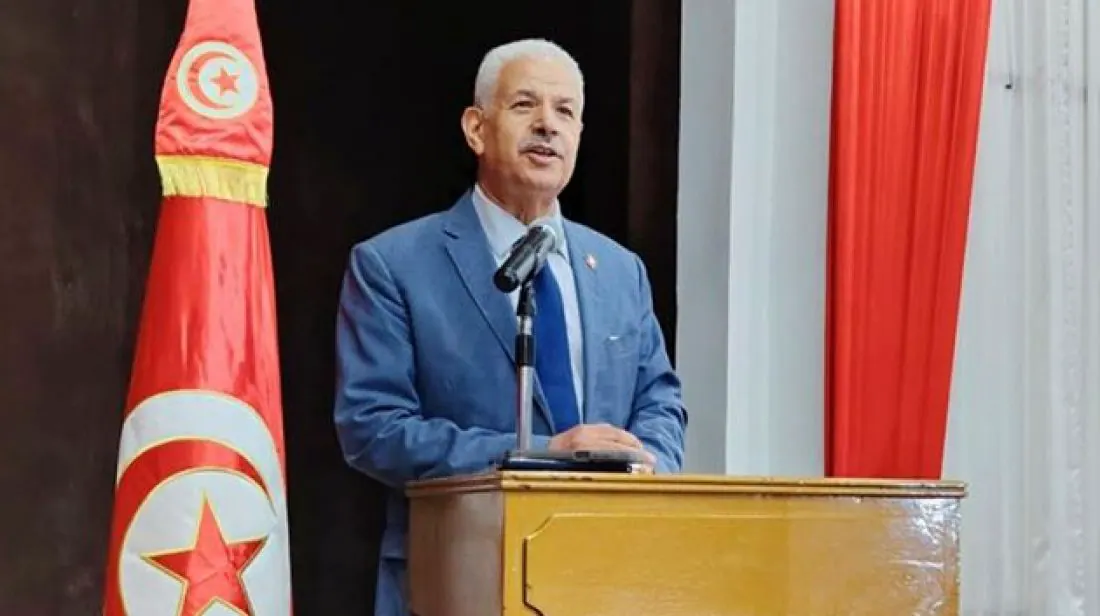
On September 25, 2026, Minister of Trade and Export Development, Samir Obaid, stated that new legal texts are being prepared to facilitate the free zone project for commercial and logistical activities in Ben Guerdan. The project aims to provide more flexibility and stimulate its progress. Obaid made these remarks during a working session focused on monitoring the project's progress and finding ways to overcome obstacles.
The upcoming phase of the project is considered crucial, and a detailed action plan with specific deadlines will be implemented in the short, medium, and long term. The Minister emphasized the importance of evaluation and follow-up to ensure the project's success, which involves coordinating between various stakeholders and defining roles. He also highlighted the significance of involving local residents in investing in this strategic project.
The free zone project in Ben Guerdan is expected to have a positive impact on Tunisia and neighboring countries, as it is a key component of the land corridor project connecting Tunisia to several African countries. This project aims to strengthen Tunisia's position as a commercial platform linking Africa to Europe. Governor of Mednine, Walid Tobboune, stressed that the project represents an economic and logistical boost for Tunisia and a gateway to Libya and African markets.
The project's progress was discussed during a working session attended by various stakeholders, including the Governor of Mednine, members of the National Assembly, and the head of the project management unit, Jamal Eddine Al Fahami. Al Fahami stated that the project is advancing "with good steps" and is about to enter a new phase with a faster pace after completing several stages, including the establishment of a management company and preparation of a business plan.
The free zone project in Ben Guerdan covers an area of 150 hectares and consists of customs-controlled areas dedicated to logistical operations, including export, import, and transit trade, which account for 70% of the project's activity. The remaining 30% is allocated to commercial and administrative activities. Stakeholders emphasized the need to accelerate the project's progress, considering it a priority that requires greater momentum and coordination.
The project's management unit has called for a "war room" approach with high readiness, featuring a unified dashboard, a clear timeline, and defined responsibilities. This approach aims to ensure effective monitoring and implementation of the project. The stakeholders also stressed the importance of involving local residents in the project and creating new job opportunities.
The project's success is expected to have a positive impact on the region, creating new job opportunities and stimulating economic growth. The project's progress will be closely monitored, and stakeholders will work together to overcome any challenges that may arise. The project's completion is expected to enhance Tunisia's position as a commercial hub in the region.
Key points
- The free zone project in Ben Guerdan is a strategic initiative aimed at stimulating economic growth and creating new job opportunities in the region.