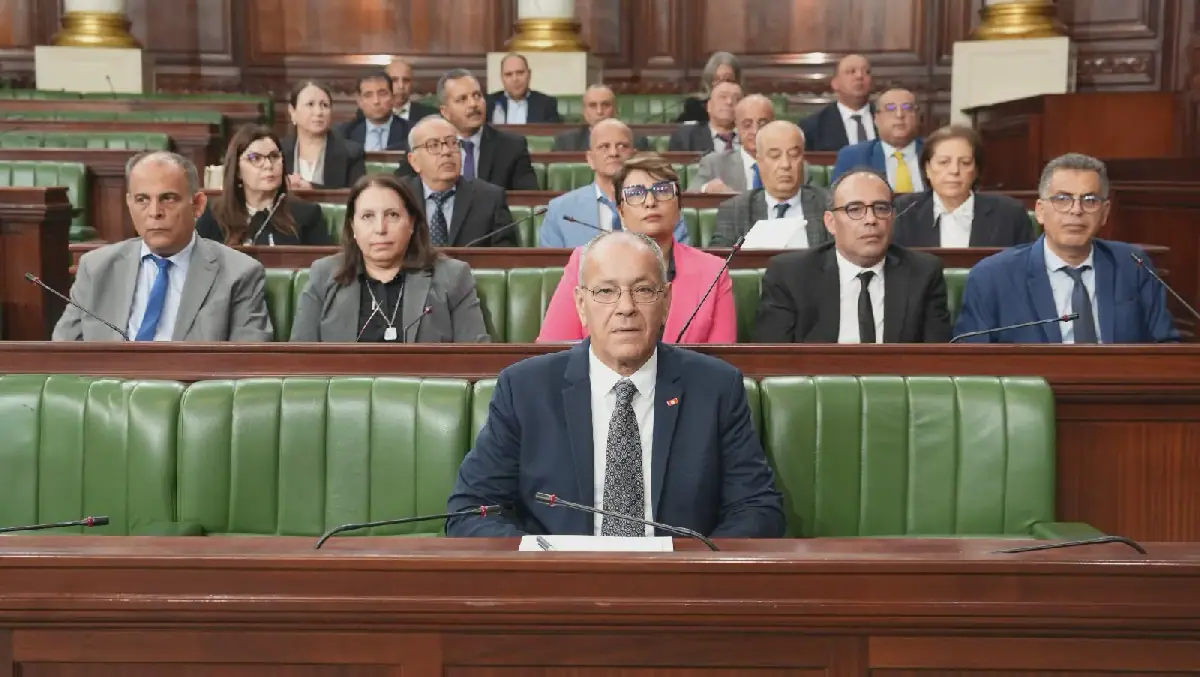
The Tunisian government has outlined its environmental priorities for 2027, with a focus on waste management, coastal protection, and sustainable development. The country's parliament and national council for regions and districts held a joint session to discuss the 2027 state budget, which includes a 4.9% increase in environmental allocations to $524.76 million. This represents a significant investment in environmental protection and sustainability.
The five-year development plan for 2026-2030 includes approximately 870 environmental projects worth $6854 million. These projects aim to improve waste management, enhance water quality, and protect the coastline from erosion. The plan also focuses on preserving biodiversity, restoring degraded ecosystems, and adapting to climate change. This comprehensive approach reflects the government's commitment to sustainable development.
The environmental budget for 2027 prioritizes waste management, with a focus on supporting wastewater treatment plants and improving waste disposal systems. The government also aims to enhance coastal protection, with measures to prevent erosion and promote sustainable coastal development. Additionally, the budget includes initiatives to promote biodiversity conservation and ecosystem restoration.
According to Mohamed Ameen El Mbaraki, head of the Industry, Trade, and Natural Resources Committee, the environmental budget discussion is not just about sectoral funding but about Tunisia's future and development model. He emphasized that environmental protection is a national sovereignty issue, linked to water, food, health, and economic security. El Mbaraki called for a proactive approach to environmental challenges.
Aymen El Abidi, head of the Productive Sectors Committee, expressed concerns that the allocated budget may not be sufficient to address the scale of environmental challenges. He called for additional funding and urged the government to address the root causes of project delays. El Abidi also emphasized the need for a collaborative approach to environmental protection, involving multiple ministries and stakeholders.
The environmental budget for 2027 reflects the government's commitment to sustainable development and environmental protection. The allocation of funds to priority areas such as waste management and coastal protection is a positive step towards addressing Tunisia's environmental challenges. However, the effectiveness of these initiatives will depend on their implementation and the level of funding allocated.
Key stakeholders, including parliamentarians and environmental experts, will closely monitor the implementation of the 2027 environmental budget. Their input and oversight will be crucial in ensuring that the allocated funds are used efficiently and effectively. The success of these initiatives will depend on a collaborative approach, involving government agencies, civil society, and the private sector.
Key points
- The 2027 environmental budget includes 870 projects worth $6854 million to improve waste management, protect the coastline, and promote sustainable development.
Reporting sources
- Établissement de la Radiodiffusion-Télévision Tunisienne · Établissement de la Radiodiffusion-Télévision Tunisienne