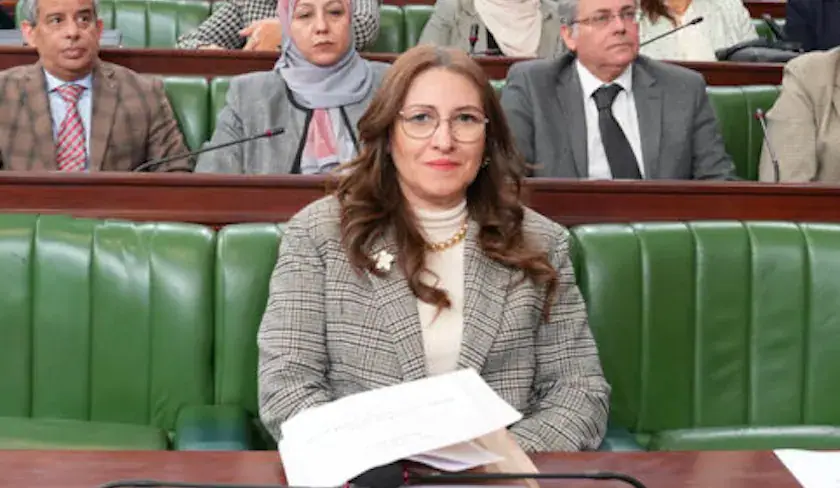
On October 29, 2026, Tunisia's Finance Minister Mechket Salama presented the state's budget project for 2027 to the parliamentary finance committees. The budget project includes the creation of 32,557 new jobs in 2027. This initiative is part of the government's efforts to improve employment opportunities and stimulate economic growth. The minister's announcement was reported by Mosaique FM.
The creation of new jobs will contribute to an increase in the wage bill, which is also influenced by the implementation of salary increases decided this year and scheduled for 2027 and 2028. The government's priorities for the 2027 budget focus on enhancing state resources, reforming the tax system, and digitizing administration. Rationalizing public spending while supporting low-income categories is also a key objective.
The 2027 budget aims to address public transportation and subsidy needs, continue reforms in the health and social security sectors, and improve the investment climate. Supporting regional development is another essential aspect of the government's strategy. By pursuing these goals, the Tunisian government seeks to promote economic growth and enhance the quality of life for its citizens.
The budget project also emphasizes strengthening food and water security, accelerating the energy transition, and promoting digital transformation. These initiatives align with the government's efforts to address pressing challenges and capitalize on opportunities for sustainable development. By investing in these areas, Tunisia aims to build a more resilient and competitive economy.
Mechket Salama's presentation to the parliamentary finance committees marks a crucial step in the budget adoption process. The government's budget priorities reflect its commitment to addressing the country's economic and social challenges. The 2027 budget is expected to play a significant role in shaping Tunisia's economic trajectory and improving the living standards of its citizens.
The announcement of 32,557 new jobs is a positive development for Tunisia's labor market. The government's efforts to create employment opportunities are essential for reducing unemployment and promoting economic growth. By investing in human capital and promoting job creation, Tunisia can unlock its economic potential and improve the well-being of its citizens.
The 2027 budget represents a critical instrument for achieving the government's economic and social objectives. By prioritizing job creation, economic development, and social welfare, the Tunisian government aims to build a more prosperous and equitable society. The implementation of the budget will be closely watched by citizens, businesses, and international observers.
Key points
- The 2027 budget includes the creation of 32,557 new jobs.
- The budget prioritizes enhancing state resources, reforming the tax system, and digitizing administration.
- The government aims to strengthen food and water security, accelerate the energy transition, and promote digital transformation.